Wild Florida Pear – Callery-Type Selection Cold Hardy | Wildlife & Perry Use | Unique Wild Harvest Astringent to Sweet Jam Flavor | Seed Grown | Rare Find
Wild Florida Pear – Callery-Type Selection Cold Hardy | Wildlife & Perry Use | Unique Wild Harvest Astringent to Sweet Jam Flavor | Seed Grown | Rare Find
Couldn't load pickup availability
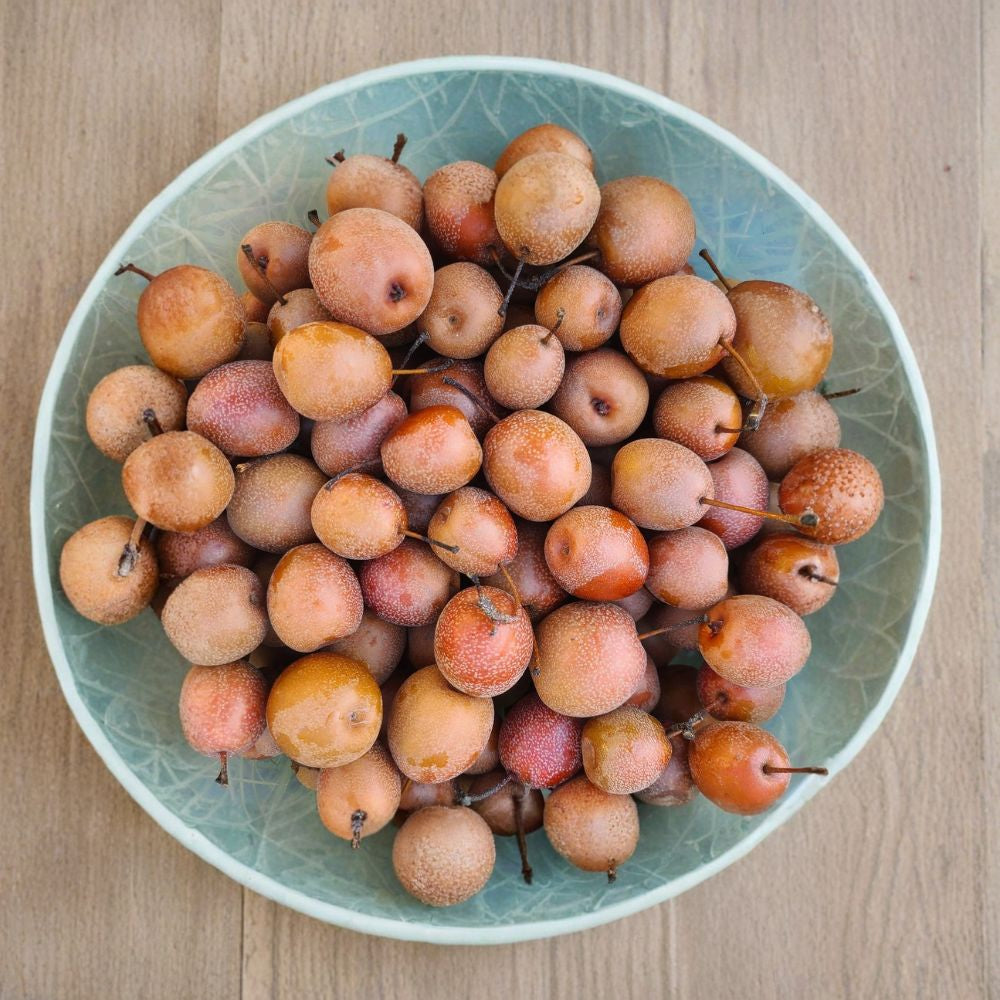
Grow a unique wild Florida pear selection discovered in Havana, Florida. This prolific tree resembles a large-fruited variation of Callery pear and produces 1–2 inch pears that transform dramatically in flavor as they ripen.
The fruit is highly astringent when firm, but once fully ripened and browned, it softens and develops a rich, jam-like pear flavor with light graininess and relatively few seeds. The fruit naturally begins dropping in late October in northern Florida.
This hardy, disease-free wild specimen shows strong potential for:
• Perry (pear cider) blending
• Wildlife food plots
• Sauces and preserves once fully ripened
• Experimental breeding projects
These seeds are wild harvested and have not been personally germination tested. As with most pear species, seeds require cold, moist stratification before planting and trees may take several years to begin fruiting.
You will receive:
✔️ Wild-harvested pear seeds
✔️ Large-fruited Callery-type genetics
✔️ Unique culinary & wildlife potential
✔️ Secure packaging for safe delivery
🌼 Growing Information
Common Type: Wild Callery-Type Pear
Genus: Pyrus species
Plant Type: Deciduous fruit tree
Growth Stage: Seed
Sun Requirements: Full sun preferred
Soil: Adaptable; well-draining soils ideal
Watering: Moderate during establishment
Mature Height: 25–40+ feet
Harvest Season: Late October (in FL climate)
USDA Zones: Estimated 5–9 (similar to Callery types)
Time to Fruit: 5+ years from seed
💡 Germination Tip:
Cold, moist stratify seeds for 30–60 days before planting. Keep medium slightly damp, not soggy. Germination may be irregular due to natural wild genetics.
⚠️ Note:
These are wild-collected seeds. Germination rates may vary and natural variation in offspring should be expected.
Share