Tundra Honeyberry Plant – Lonicera caerulea Live Plant | 10–14 Inches Tall | Gallon Grown Cold Hardy Berry Bush | Edible Haskap
Tundra Honeyberry Plant – Lonicera caerulea Live Plant | 10–14 Inches Tall | Gallon Grown Cold Hardy Berry Bush | Edible Haskap
Couldn't load pickup availability
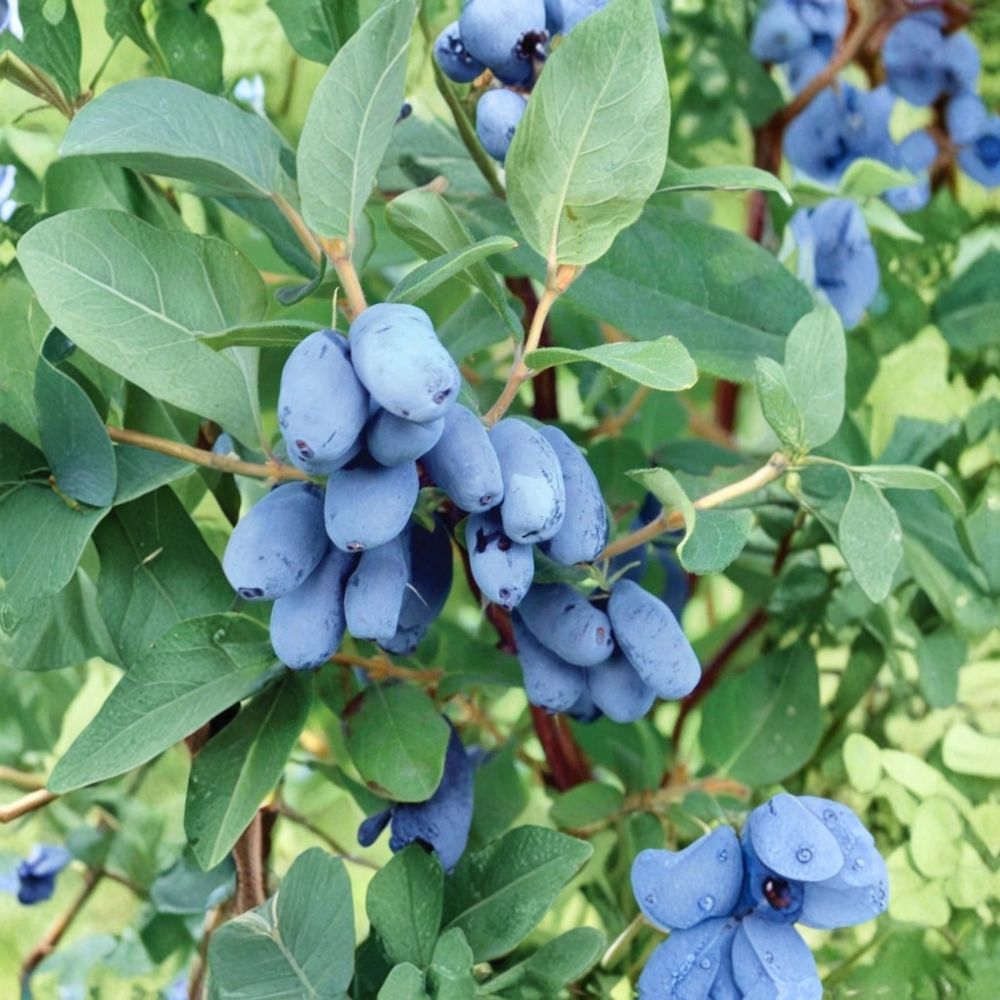
Grow a unique and nutritious fruit with this live Tundra Honeyberry plant, also known as Haskap or Blue Honeysuckle. This cold-hardy berry shrub produces elongated deep-blue berries with a rich flavor similar to blueberries, raspberries, and blackberries. Honeyberries are highly valued for their early harvest and high antioxidant content, making them a delicious and healthy addition to your garden.
This 3-year-old gallon-grown plant is pruned to approximately 10–14 inches tall and shipped dormant with roots wrapped for safe transport. Honeyberry plants are known for their extreme cold tolerance and easy care, making them a great option for gardeners in cooler climates.
These shrubs produce fruit very early in the season—often weeks before strawberries— and are perfect for fresh eating, jams, desserts, smoothies, or freezing.
You will receive a healthy plant similar in size and condition to the one shown in the listing photos.
You will receive:
✔️ 1 live Tundra Honeyberry plant
✔️ Height: approximately 10–14 inches
✔️ 3-year-old gallon-grown plant
✔️ Shipped dormant with roots wrapped (no pot)
✔️ Secure packaging for safe arrival
🌼 Growing Information
Common Name: Tundra Honeyberry / Haskap
Botanical Name: Lonicera caerulea ‘Tundra’
Plant Type: Deciduous fruit shrub
Growth Stage: Established young plant
Sun Requirements: Full sun to partial shade
Soil: Well-draining soil with organic matter (pH 5.5–8 tolerated)
Watering: Moderate; keep soil consistently moist
Mature Height: 3–6 feet tall and wide
Growth Rate: Moderate
USDA Zones: 2–8 (not recommended for hot Zone 9 climates)
Container Friendly: Yes
💡 Care Tip: Honeyberries produce the best fruit when two different varieties are planted together for cross-pollination. Provide afternoon shade in warmer regions and maintain good soil drainage for healthy growth.
Share