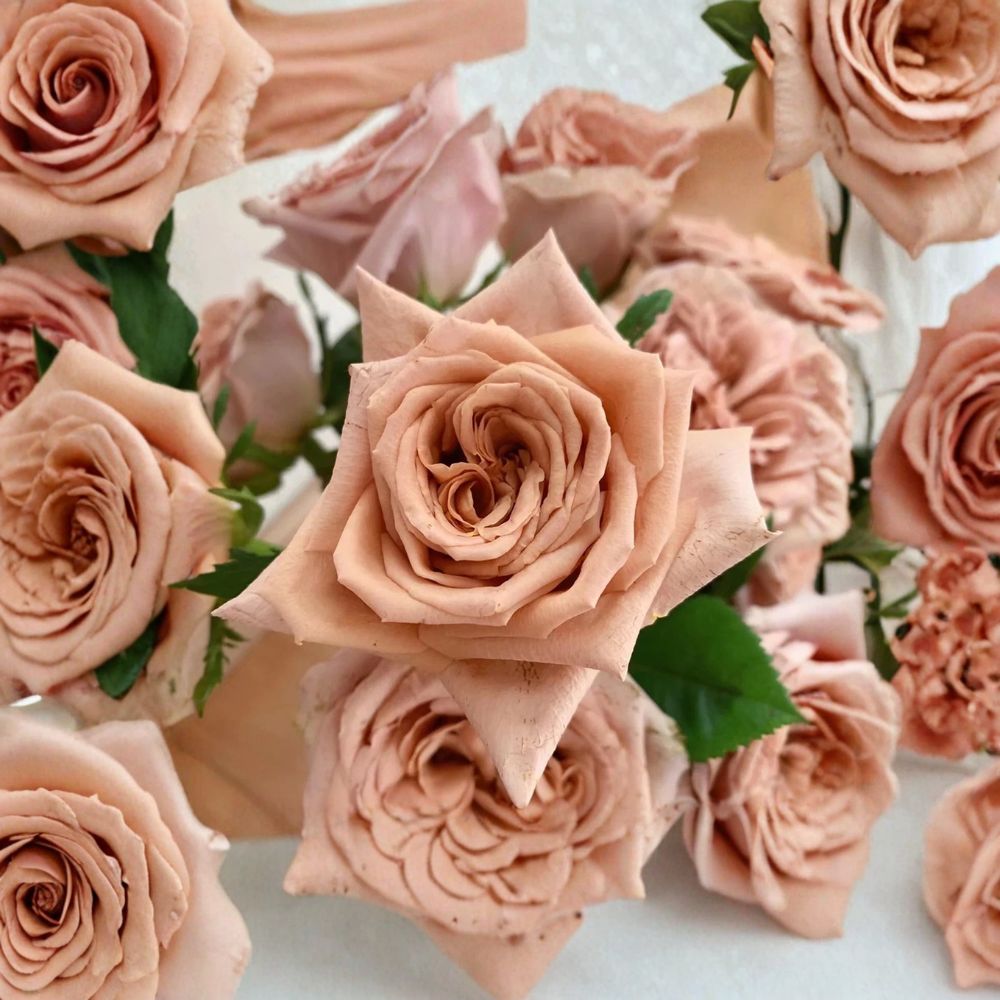
Toffee Ecuadorian Rose – Rare Rose Cuttings | 3 Fresh Unrooted Cuttings | Unique Caramel Brown Garden Rose | Cuttings for Rooting or Grafting
Toffee Ecuadorian Rose – Rare Rose Cuttings | 3 Fresh Unrooted Cuttings | Unique Caramel Brown Garden Rose | Cuttings for Rooting or Grafting
Couldn't load pickup availability
Grow one of the most unique rose varieties with these SUPER RARE Toffee Ecuadorian Rose cuttings. This extraordinary rose is prized for its distinctive caramel-toffee colored blooms, offering a warm, vintage tone that stands out beautifully in gardens and floral collections.
These fresh unrooted cuttings are suitable for grafting onto compatible rose rootstock or rooting using water or soil propagation methods. Once established, Toffee roses produce elegant blooms with soft brown, tan, and caramel shades, creating a striking display in rose gardens, cottage landscapes, and ornamental plant collections.
Perfect for rose collectors, floral enthusiasts, and gardeners who enjoy rare plant varieties, this special rose adds a sophisticated and uncommon color to any garden. You will receive cuttings similar in size and health to those shown in the listing photos, carefully packaged to maintain freshness during shipping.
You will receive:
✔️ 3 fresh Toffee Ecuadorian rose cuttings
✔️ Unrooted cuttings suitable for rooting or grafting
✔️ Healthy propagation material from mature plant
✔️ Rare caramel-colored rose variety
✔️ Secure packaging for safe arrival
🌼 Growing Information
Common Name: Toffee Ecuadorian Rose
Botanical Name: Rosa hybrid
Plant Type: Deciduous flowering shrub
Growth Stage: Unrooted cuttings
Sun Requirements: Full sun (6–8 hours daily preferred)
Soil: Rich, well-draining garden soil with organic matter
Watering: Moderate; keep soil lightly moist during rooting
Mature Height: 3–5 feet depending on pruning and conditions
Growth Rate: Moderate
USDA Zones: 5–10
Container Friendly: Yes
💡 Care Tip: Rose cuttings root best in warm temperatures (65–75°F) with high humidity and bright indirect light. Using rooting hormone and maintaining a humidity dome can significantly increase propagation success.
Share