Super Rare Japanese Miyazaki Mango Rooted Seed – Taiyo no Tamago “Egg of the Sun” | Premium Mango Seed | Exotic Tropical Fruit Tree Starter
Super Rare Japanese Miyazaki Mango Rooted Seed – Taiyo no Tamago “Egg of the Sun” | Premium Mango Seed | Exotic Tropical Fruit Tree Starter
Couldn't load pickup availability
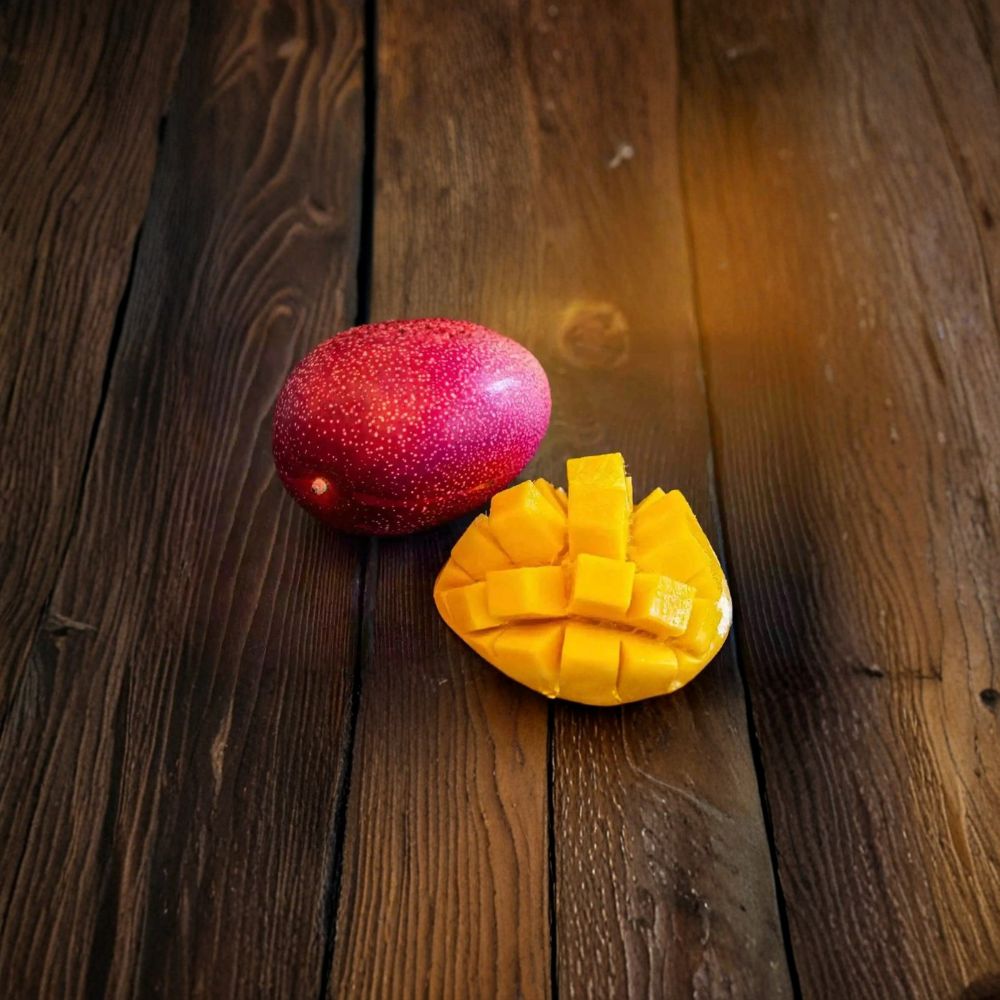
Grow one of the world’s most famous mango varieties with this Super Rare Japanese Miyazaki Mango Rooted Seed, also known as Taiyo no Tamago (Egg of the Sun). This legendary mango from Japan is celebrated for its exceptional sweetness, vibrant red color, and smooth, juicy flesh.
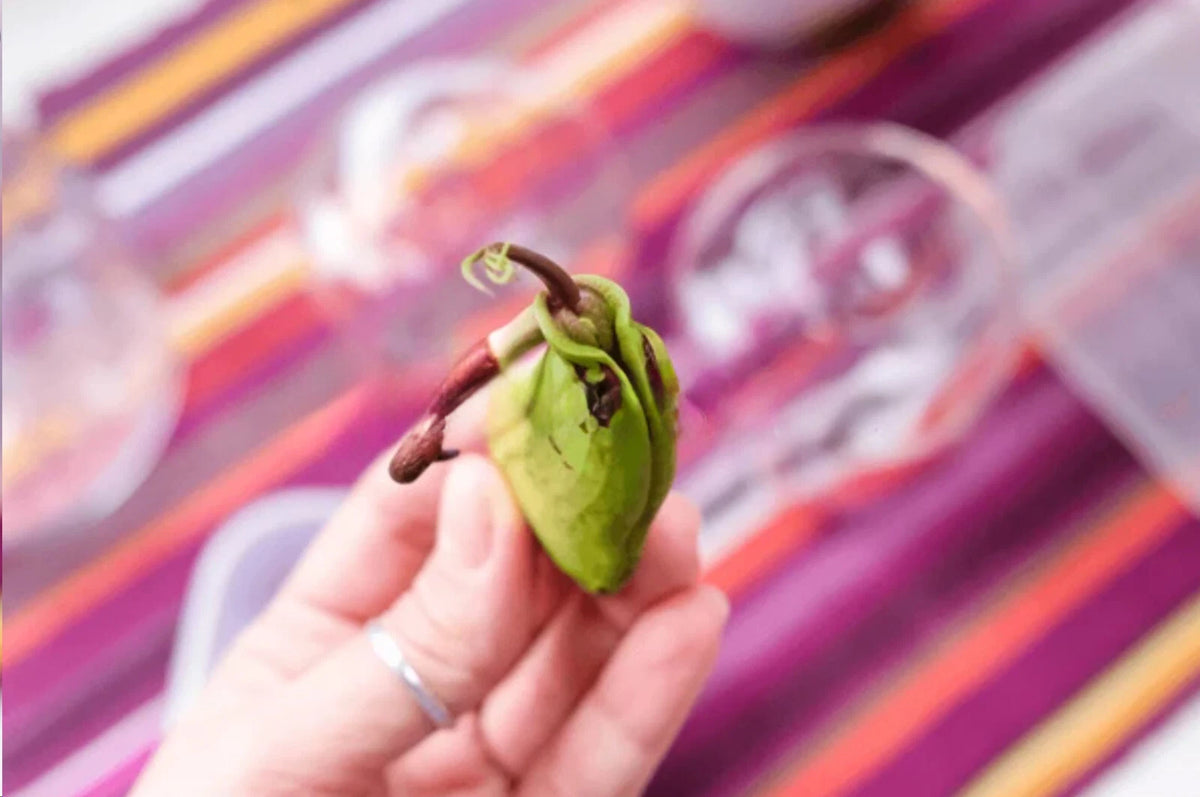
Miyazaki mangoes are considered one of the most premium mango varieties in the world, often prized for their rich tropical flavor, low fiber texture, and beautiful appearance. Starting with a rooted seed gives you a strong head start, allowing the plant to establish quickly and grow into a healthy tropical fruit tree.
This young plant is perfect for tropical gardens, greenhouses, patios, or container growing in warm climates.
You will receive:
✔️ 1 rooted Miyazaki mango seed
✔️ Rare Taiyo no Tamago mango variety
✔️ Healthy young tropical fruit plant
✔️ Rooted seed ready for continued growth
✔️ Secure packaging for safe delivery
🌼 Growing Information
Common Name: Miyazaki Mango / Egg of the Sun
Botanical Name: Mangifera indica
Plant Type: Tropical fruit tree
Growth Stage: Rooted seed
Sun Requirements: Full sun (6–8 hours daily once established)
Soil: Well-draining sandy or loamy soil
Watering: Moderate; keep soil lightly moist but not soggy
Mature Height: 20–40 feet (smaller with pruning or container growing)
Growth Rate: Moderate to fast in warm climates
USDA Zones: 9–11
Container Friendly: Yes (large containers recommended)
💡 Care Tip:
Allow the plant to acclimate in bright indirect light for the first week after arrival, then gradually introduce it to full sun. Mango trees thrive in warm temperatures and well-draining soil, and benefit from regular feeding with a balanced tropical fruit fertilizer during active growth.
Share