Sugar Apple – Annona squamosa Live Tropical Fruit Tree | 2 Feet Tall | Ships in 3 Gallon Pot Sweet Custard Flavor | Early Bearing Tree | Compact & Tropical
Sugar Apple – Annona squamosa Live Tropical Fruit Tree | 2 Feet Tall | Ships in 3 Gallon Pot Sweet Custard Flavor | Early Bearing Tree | Compact & Tropical
Couldn't load pickup availability
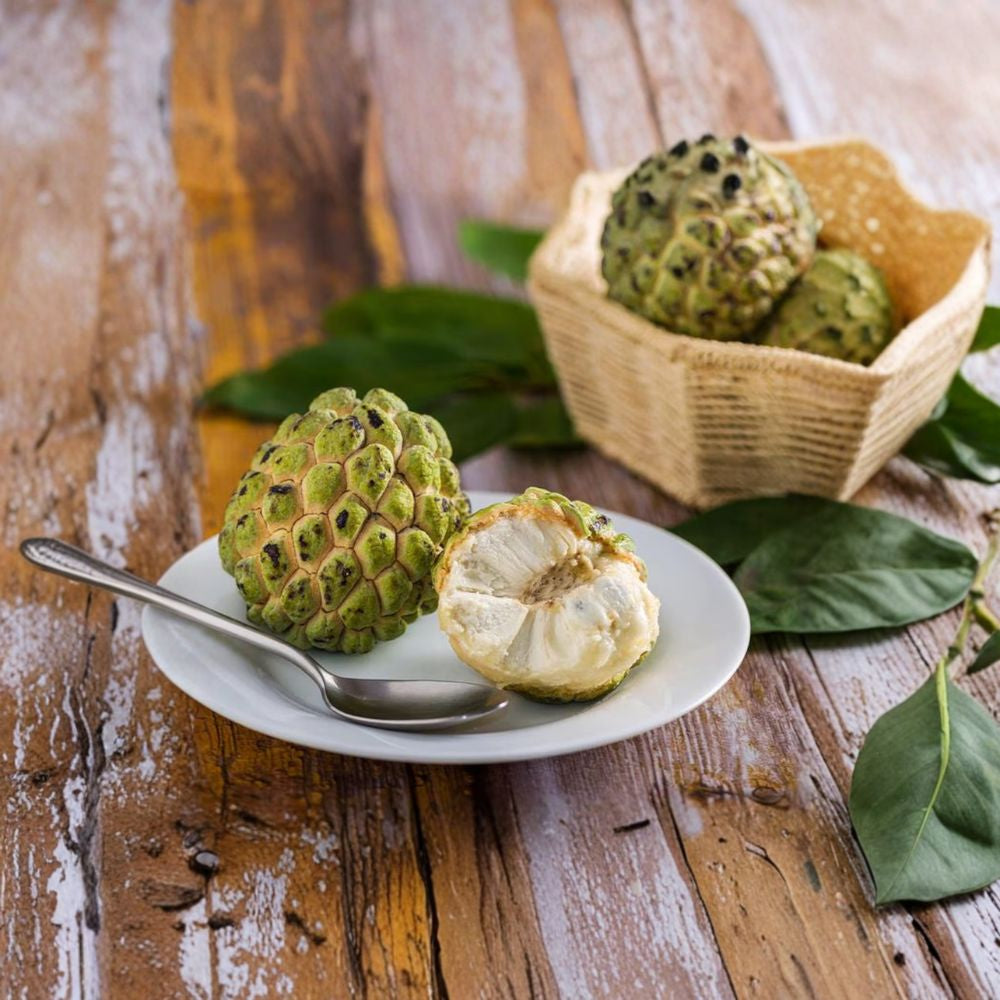
Grow your own tropical delicacy with this Sugar Apple tree (Annona squamosa), approximately 2 feet tall and shipped in a 3-gallon nursery pot. Closely related to cherimoya, sugar apple produces round, segmented fruit about the size of a baseball to softball.
The creamy pulp has a rich, sugary-sweet custard flavor that makes it a prized tropical fruit. Each segment contains a small black seed that separates easily from the soft flesh. Sugar apple trees can begin fruiting in as little as one to two years under proper conditions.
This compact tropical tree can easily be maintained at 8–10 feet with pruning, making it suitable for backyard orchards and warm-climate gardens.
You will receive a plant similar in size and health to the one shown in the listing photos.
You will receive:
✔️ 1 live Sugar Apple plant
✔️ Height: approximately 2 feet
✔️ Shipped in 3 gallon nursery pot
✔️ Healthy, well-rooted tree
✔️ Secure packaging for safe arrival
🌼 Growing Information
Common Name: Sugar Apple
Botanical Name: Annona squamosa
Plant Type: Tropical fruit tree
Growth Stage: Young established plant
Sun Requirements: Full sun (6–8+ hours daily preferred)
Soil: Well-draining soil
Watering: Moderate; consistent moisture during growing season
Mature Height: 8–15 feet (can be pruned smaller)
Growth Rate: Moderate to fast in warm climates
Fruit Bearing: 1–2 years under ideal conditions
Harvest Season: Late summer to fall (varies by climate)
USDA Zones: 9–11
Container Friendly: Yes while young; transplant recommended
💡 Care Tip: Plant in a warm, sunny location protected from frost. Hand pollination may improve fruit set in some areas. Prune lightly to maintain a manageable size and encourage branching.
Share