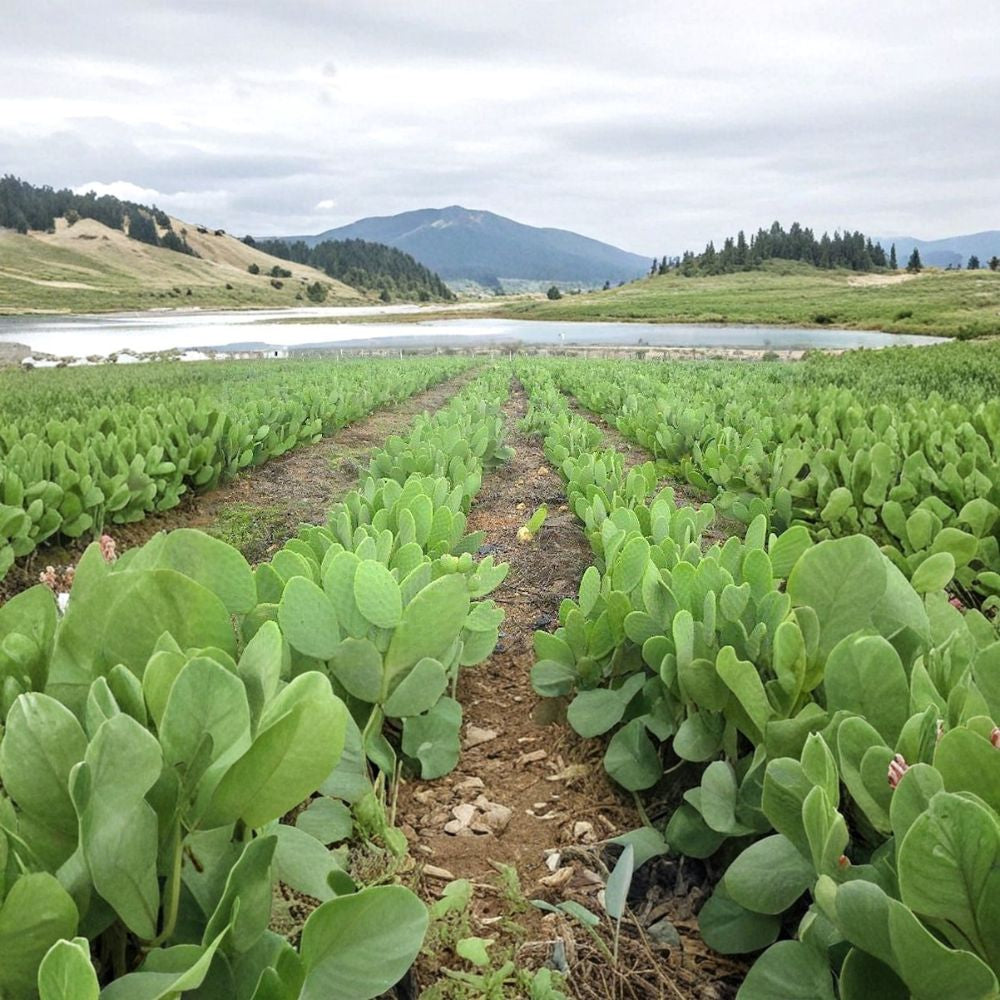
Spineless Prickly Pear – Opuntia cacanapa ‘Ellisiana’ 3 Huge Pads | 9+ Inches Each | FREE Priority Shipping Thornless Nopales | Cold Hardy | Edible Fruit Producing
Spineless Prickly Pear – Opuntia cacanapa ‘Ellisiana’ 3 Huge Pads | 9+ Inches Each | FREE Priority Shipping Thornless Nopales | Cold Hardy | Edible Fruit Producing
Couldn't load pickup availability
Grow bold, edible desert beauty with 3 HUGE Spineless Prickly Pear cactus pads (9+ inches each). Also known as Opuntia cacanapa ‘Ellisiana’, this thornless variety from Texas is prized for its smooth pads, cold hardiness, and sweet red fruit.
These thick, healthy cuttings root easily and quickly develop into a large, bush-form cactus with a bark-like trunk. In spring, enjoy bright yellow flowers, followed by plump red prickly pear fruit in late summer. Perfect as a natural barrier plant, xeriscape focal point, or edible garden addition.
Spineless nopales are easier to handle than traditional prickly pear varieties, making them ideal for harvesting and planting.
You will receive pads similar in size and thickness to those shown in the listing photos.
You will receive:
✔️ 3 large Spineless Prickly Pear pads
✔️ Each pad at least 9 inches long
✔️ Thornless / low-spine edible variety
✔️ Fresh cuttings ready to root
✔️ FREE Priority Shipping
🌼 Growing Information
Common Name: Spineless Prickly Pear / Thornless Nopales
Botanical Name: Opuntia cacanapa ‘Ellisiana’
Plant Type: Perennial cactus
Growth Stage: Pad cutting
Sun Requirements: Full sun (6–8+ hours daily)
Soil: Sandy, very well-draining cactus soil
Watering: Low; drought tolerant once established
Mature Height: 4–6+ feet
Spread: 6–10 feet
Growth Rate: Fast in warm climates
USDA Zones: 7–10 (cold hardy once established)
Container Friendly: Yes (large containers with excellent drainage)
💡 Care Tip: Allow the cut ends to callous for several days before planting upright in dry, well-draining soil. Water lightly after planting and avoid overwatering during root establishment.
Share