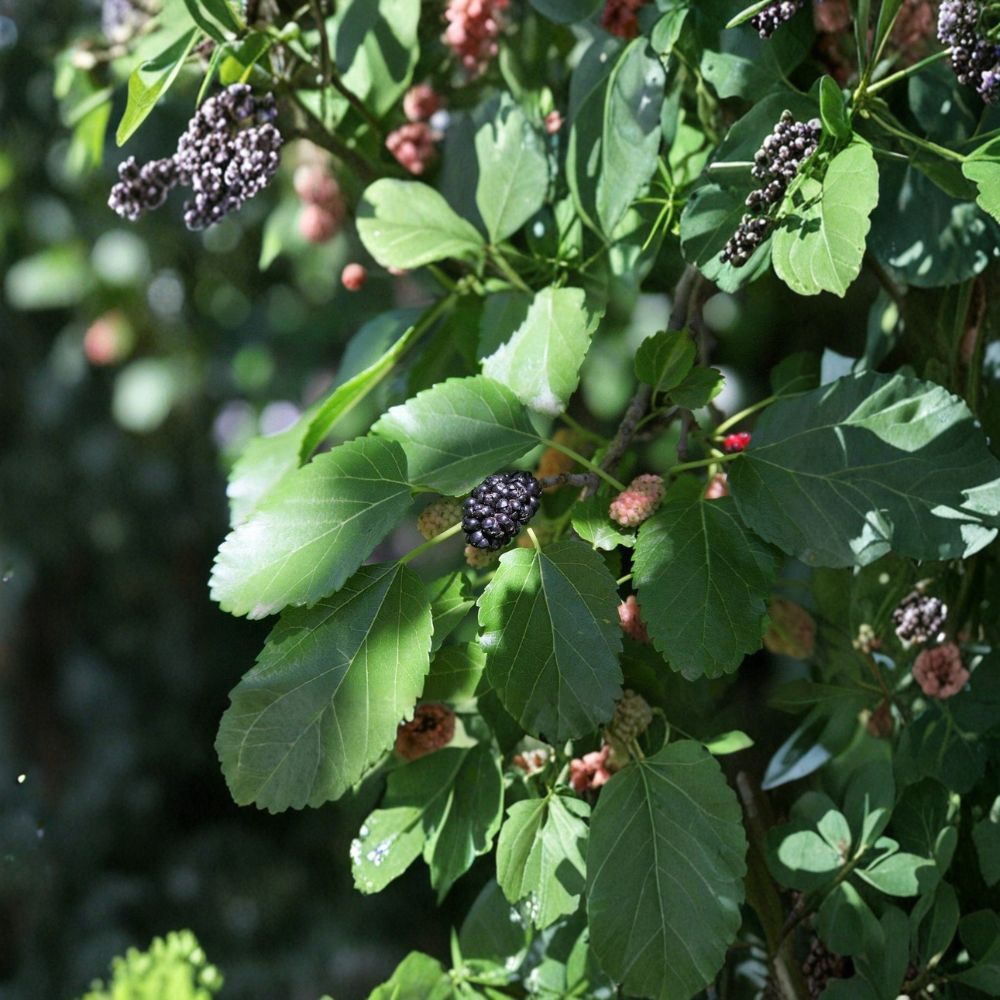
Red Mulberry Tree – Morus rubra Live Seedling | 6–12 Inches Tall | Bare Root Native Fruit Tree | Backyard Orchard & Wildlife Friendly | Easy to Grow
Red Mulberry Tree – Morus rubra Live Seedling | 6–12 Inches Tall | Bare Root Native Fruit Tree | Backyard Orchard & Wildlife Friendly | Easy to Grow
Couldn't load pickup availability
Grow a hardy native fruit tree with this Red Mulberry (Morus rubra) live seedling, a fast-growing deciduous tree prized for its sweet, blackberry-like berries and adaptability. This young tree arrives approximately 6–12 inches tall and ships bare root, ready to plant in your garden, orchard, or wildlife landscape.
Red Mulberry trees are native to North America and thrive in rich, well-drained soils with full sun to partial shade. Once established, they develop into large shade trees with dense spreading canopies and abundant summer fruit. The berries are delicious for fresh eating, jams, pies, and homemade preserves, and are also loved by birds and pollinators.
This species is well suited for homesteads, edible landscapes, food forests, and natural wildlife habitats due to its vigorous growth and long lifespan.
You will receive a healthy seedling similar in size and condition to the plant shown in listing photos.
You will receive:
✔️ 1 Red Mulberry live seedling
✔️ Height: approximately 6–12 inches
✔️ Bare-root plant for easy planting
✔️ Healthy young tree with strong root system
✔️ Secure packaging for safe arrival
🌼 Growing Information
Common Name: Red Mulberry
Botanical Name: Morus rubra
Plant Type: Deciduous fruit tree
Growth Stage: Bare-root seedling
Sun Requirements: Full sun to partial shade (6+ hours preferred)
Soil: Rich, moist, well-draining loamy soil
Watering: Moderate watering during establishment
Mature Height: 50–70 feet
Growth Rate: Fast growing
Fruit Type: Sweet red to dark purple mulberries
Fruiting Season: Early to mid-summer
USDA Zones: 4–8
Container Friendly: Best grown in ground
💡 Care Tip:
Plant your mulberry seedling in rich, well-draining soil and water deeply after planting. Pruning during late fall or winter helps shape the tree and prevents sap bleeding.
Share