Red Huckleberry – Vaccinium parvifolium Seeds | 240 Count | Bulk Native Berry Shrub | Conservation & Forest Restoration
Red Huckleberry – Vaccinium parvifolium Seeds | 240 Count | Bulk Native Berry Shrub | Conservation & Forest Restoration
Couldn't load pickup availability
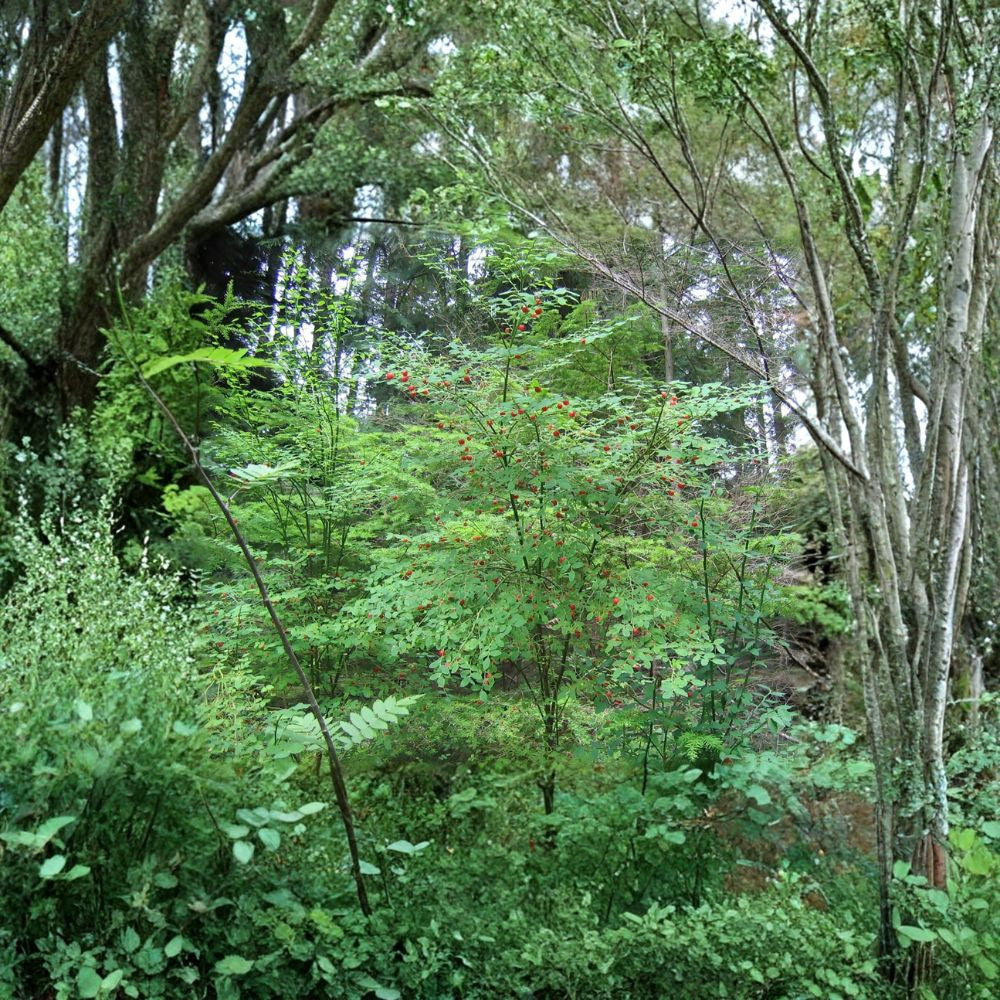
Plant large-scale native habitat with 240 Red Huckleberry seeds (Vaccinium parvifolium). This bulk quantity is ideal for restoration projects, rewilding efforts, conservation plantings, and native nursery propagation.
Red Huckleberry is a deciduous shrub native to the cool forests of Western North America, from Alaska to California. It grows 6–13 feet tall with upright branching and distinctive bright green angular stems. Its fine-textured foliage creates a natural woodland appearance.
In May, delicate pinkish-white bell-shaped flowers appear, followed by small translucent red berries in summer. The fruit is edible and can be enjoyed fresh, dried, or made into jellies and teas. Birds and wildlife rely heavily on the berries, making this shrub a valuable ecological species.
Fall foliage displays vibrant shades of red, orange, purple, and yellow, adding seasonal interest to naturalized landscapes.
You will receive:
✔️ 240 Red Huckleberry seeds
✔️ Clearly labeled seed packet
✔️ Detailed sowing instructions
✔️ Non-pretreated seeds
✔️ Secure packaging for safe delivery
🌼 Growing Information
Common Name: Red Huckleberry
Botanical Name: Vaccinium parvifolium
Plant Type: Deciduous fruiting shrub
Growth Stage: Seed
Sun Requirements: Full sun to part shade (prefers woodland settings)
Soil: Acidic soil (pH 4.5–6.0), organically rich, well-drained
Watering: Medium; requires consistent moisture
Mature Height: 6–13 feet
Spread: 8–13 feet
Growth Rate: Moderate
USDA Zones: 3–8
Container Friendly: Best started indoors; transplant carefully due to shallow roots
💡 Care Tip:
Seeds are extremely small. Soak for 24 hours, then cold stratify for 60 days at 40°F in a moist medium. Surface sow indoors—do not cover, as light is required for germination. Keep evenly moist and avoid root disturbance when transplanting.
Share