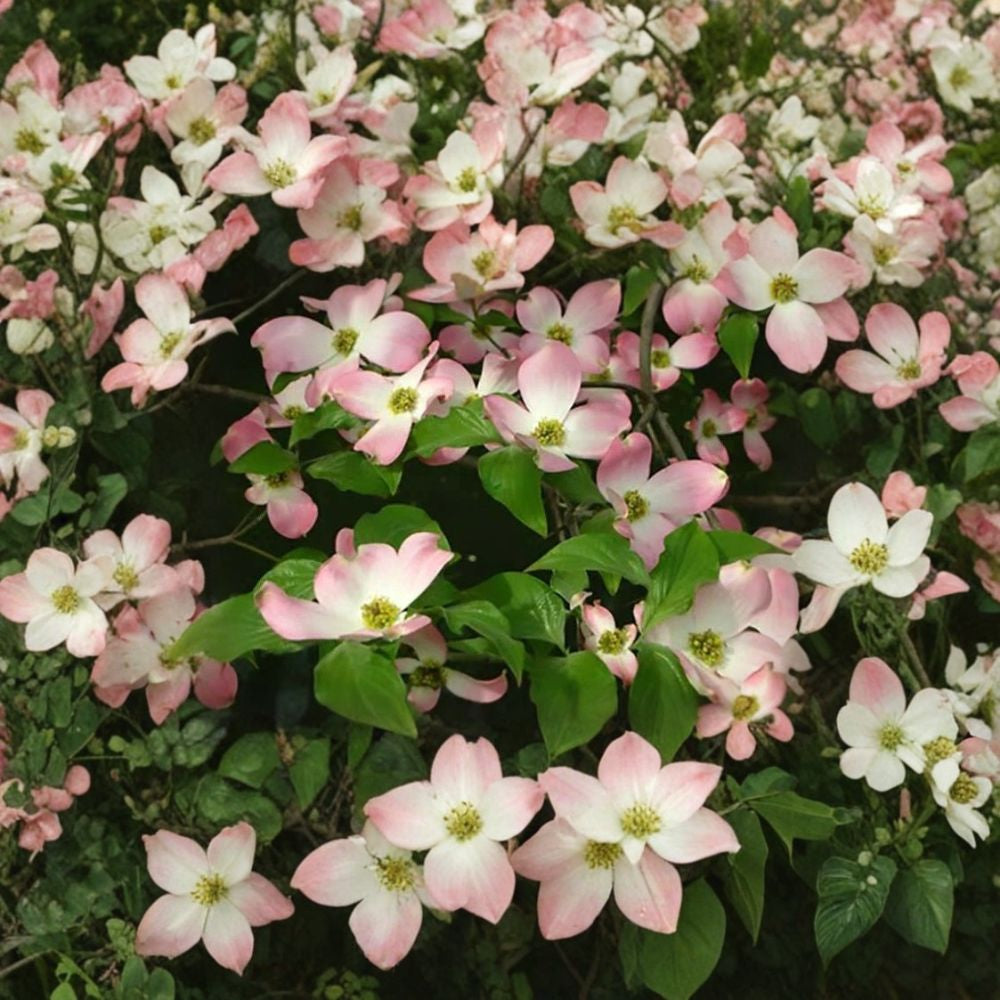
Red Flowering Dogwood – Cornus florida rubra Tree Seeds | 30 Seeds | Showy Pink Blooms | Hardy Native Ornamental | Northern Source
Red Flowering Dogwood – Cornus florida rubra Tree Seeds | 30 Seeds | Showy Pink Blooms | Hardy Native Ornamental | Northern Source
Couldn't load pickup availability
Enhance your landscape with the timeless beauty of Red Flowering Dogwood (Cornus florida rubra). This beloved native ornamental tree is prized for its stunning reddish-pink spring bracts, vibrant red fall foliage, and glossy red berries that attract birds and wildlife.
Growing 15–30 feet tall with a rounded, spreading crown, Red Dogwood can be trained as a single-trunk specimen or allowed to develop into a picturesque multi-trunked tree. In mid-spring, four showy pink bracts surround small yellow-green flower clusters, creating one of the most recognizable flowering displays in North America.
In fall, brilliant red fruit matures and often persists into early winter, providing seasonal interest and valuable food for birds. Ideal for woodland gardens, specimen planting, lawn accents, and native plant landscapes.
You will receive:
✔️ 30 Red Flowering Dogwood seeds
✔️ Northern source seed stock
✔️ Clearly labeled seed packet
✔️ Sowing instructions included
✔️ Secure packaging for safe delivery
🌼 Growing Information
Common Name: Red Flowering Dogwood
Botanical Name: Cornus florida rubra
Plant Type: Small flowering deciduous tree
Growth Stage: Seed
Sun Requirements: Full sun to part shade
Soil: Organically rich, well-drained, slightly acidic soil preferred
Watering: Medium
Mature Height: 15–30 feet
Spread: 15–30 feet
Growth Rate: Medium
USDA Zones: 5–9
Fall Color: Red to maroon
Wildlife Value: Attracts birds and butterflies
Drought Tolerance: Moderate
Container Friendly: Suitable for early growth stages
Seed Preparation & Germination:
• Soak seeds in water for 24 hours
• Cold stratify 90–120 days at 40°F in moist medium
• Sow 1/2 inch deep and keep moist (not soggy)
💡 Care Tip: Apply a 4–6 inch mulch layer to maintain cool roots and consistent moisture. In warmer climates, part shade produces the healthiest growth and best flowering.
Share