Purple Coneflower – Echinacea purpurea Perennial Seeds | 1800 Seeds | Hardy Native Wildflower | Butterfly & Pollinator Friendly | Easy to Grow
Purple Coneflower – Echinacea purpurea Perennial Seeds | 1800 Seeds | Hardy Native Wildflower | Butterfly & Pollinator Friendly | Easy to Grow
Couldn't load pickup availability
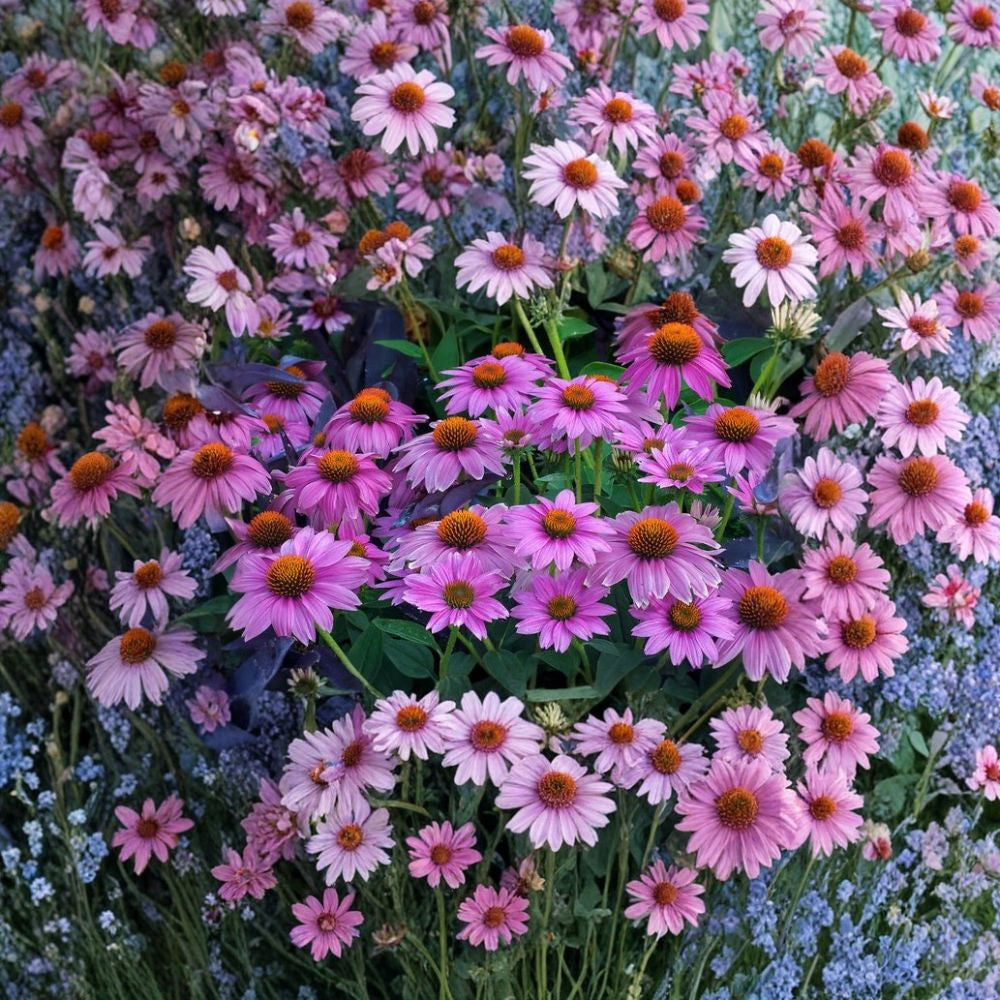
Establish a large, vibrant pollinator planting with these 1,800 Purple Coneflower (Echinacea purpurea) seeds. This fast-growing native perennial produces striking daisy-like flowers with slightly drooping rose-purple petals and bold orange cone centers that stand tall on sturdy stems.
Blooming from June through August, Purple Coneflower provides long-lasting summer color and excellent vertical structure. It is ideal for large meadow plantings, restoration projects, native landscapes, wildflower mixes, borders, and naturalized areas. Butterflies, bees, hummingbirds, and songbirds—especially goldfinches—are drawn to its nectar-rich blooms and persistent seed heads.
Extremely adaptable and dependable, this perennial tolerates heat, cold, drought, clay soil, rocky conditions, and poor soils, making it perfect for low-maintenance and large-scale plantings.
You will receive:
✔️ 1800 Purple Coneflower seeds
✔️ Open-pollinated perennial variety
✔️ Fresh, viable seeds
✔️ Sowing instructions included
✔️ Secure packaging for safe delivery
🌼 Growing Information
Common Name: Purple Coneflower
Botanical Name: Echinacea purpurea
Plant Type: Herbaceous perennial
Growth Stage: Seed
Sun Requirements: Full sun to part shade
Soil: Average, dry to medium, well-drained soil; tolerant of clay and rocky soil
Watering: Dry to moderate; drought tolerant once established
Mature Height: 2–5 feet
Spread: 1.5–2 feet
Growth Rate: Fast
USDA Zones: 3–8
Bloom Time: June to August
Bloom Color: Pink to purple
Pollinator Friendly: Yes – attracts butterflies, birds, and hummingbirds
💡 Care Tip: Soak seeds in water for 12 hours before planting. For improved germination, cold stratify for 7–30 days at approximately 40°F. Sow 1/4 inch deep and keep soil evenly moist but not soggy. Leave seed heads standing in fall to feed birds and add winter interest.
Share