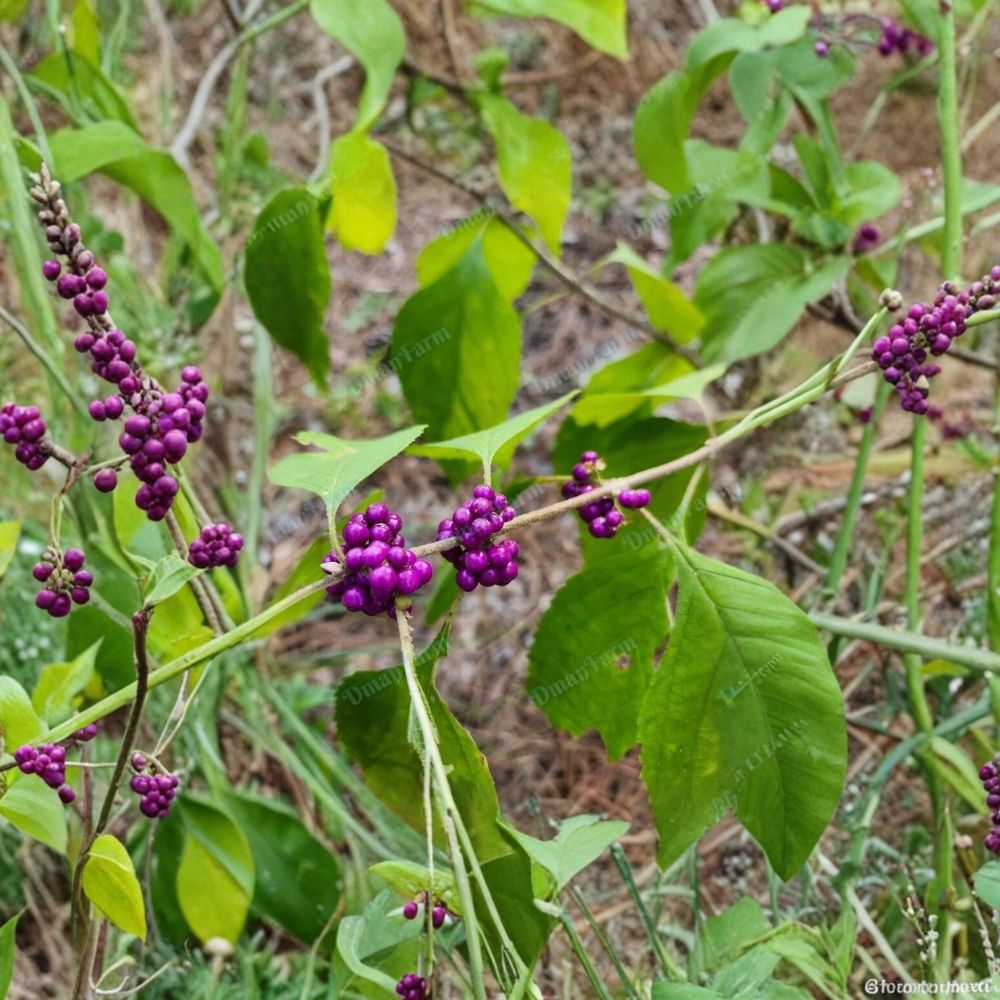
Purple Beautyberry Cuttings – Callicarpa americana Fresh Cuttings | 12 Pack 8 Inch | French Mulberry Bush Propagation | Ornamental Berry Shrub
Purple Beautyberry Cuttings – Callicarpa americana Fresh Cuttings | 12 Pack 8 Inch | French Mulberry Bush Propagation | Ornamental Berry Shrub
Couldn't load pickup availability
Grow your own beautiful ornamental shrub with this 12-pack of Purple Beautyberry cuttings (Callicarpa americana), also known as French Mulberry. These fresh cuttings are harvested the same day they ship to ensure strong propagation success.
Each cutting measures approximately 8 inches long and is carefully selected to provide healthy, vigorous propagation material. Beautyberry shrubs are prized for their stunning clusters of bright purple berries that appear in fall, adding vibrant color to gardens and landscapes.
In spring and summer, the shrub produces delicate lavender-pink flowers that later develop into the famous purple berries. The fruit can be used to make homemade jelly, and the plant is also known for attracting birds, butterflies, and other pollinators.
Cuttings are shipped without leaves to improve survival during transport and arrive ready to plant and root.
You will receive:
✔️ 12 Purple Beautyberry cuttings
✔️ Length: approximately 8 inches each
✔️ Freshly harvested cuttings (same day shipping)
✔️ Healthy propagation material
✔️ Secure packaging for safe arrival
🌼 Growing Information
Common Name: American Beautyberry / French Mulberry
Botanical Name: Callicarpa americana
Plant Type: Deciduous ornamental shrub
Growth Stage: Fresh cuttings (for propagation)
Sun Requirements: Full sun to partial shade
Soil: Rich, well-drained soil
Watering: Keep soil consistently moist while rooting
Mature Height: 3–6 feet
Mature Spread: 3–6 feet
Growth Rate: Fast
USDA Zones: 6–10
Container Friendly: Yes
Propagation Tip:
Plant cuttings in moist rooting medium and keep them in a warm, humid environment with indirect light until roots develop.
💡 Care Tip: Beautyberry shrubs respond well to pruning in late winter or early spring, encouraging dense growth and more berry production in the fall.
Share