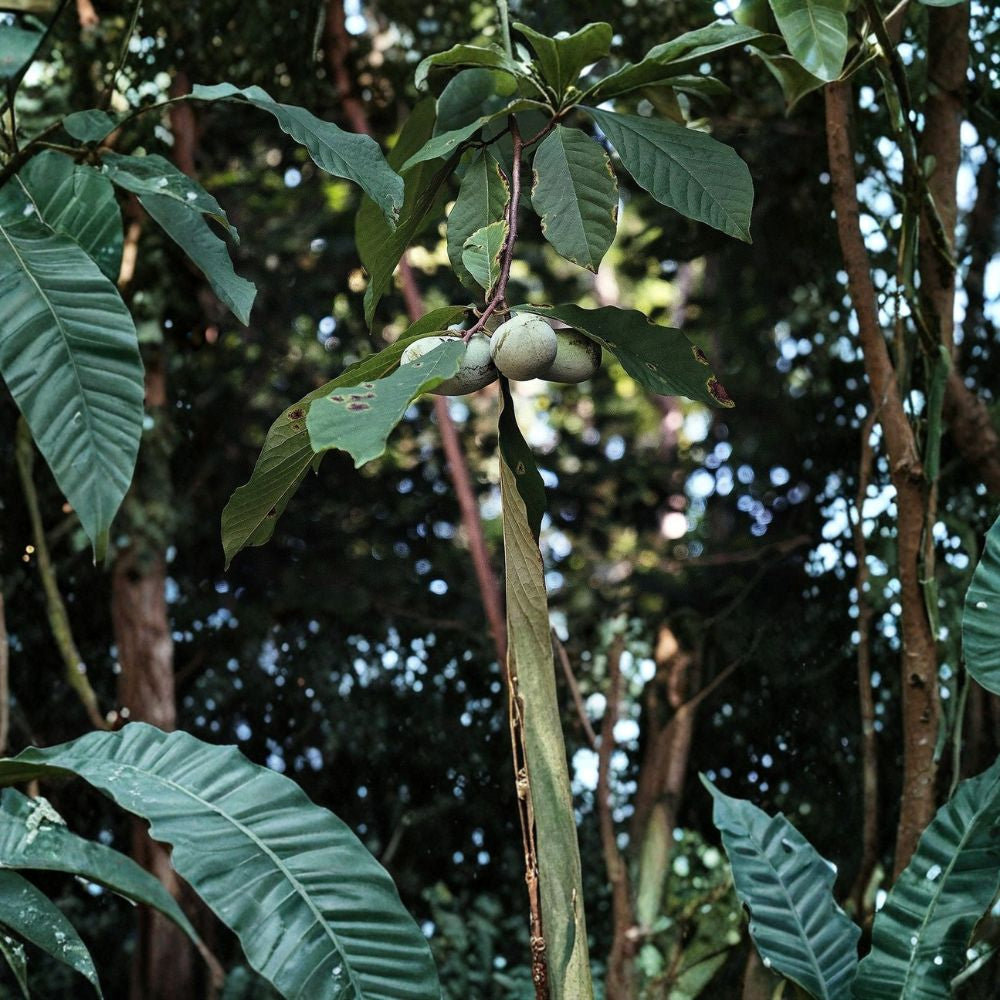
Pawpaw Tree – Asimina triloba Live Plant | 30+ Inches Tall | 3.5" x 9" Air Prune Pot Hardy Native Fruit Tree | Tropical Custard Flavor | Zone 5 Friendly
Pawpaw Tree – Asimina triloba Live Plant | 30+ Inches Tall | 3.5" x 9" Air Prune Pot Hardy Native Fruit Tree | Tropical Custard Flavor | Zone 5 Friendly
Couldn't load pickup availability
Grow America’s largest native fruit with this Pawpaw Tree (Asimina triloba), standing 30+ inches tall and established in a 3.5" x 9" deep air prune pot.
Unlike bare-root plants, this tree is fully potted with a well-developed, air-pruned root system. That means less transplant shock, stronger root branching, and more flexibility in planting when the time is right.
Pawpaw fruit is known for its rich, custard-like texture and tropical flavor profile—often described as a blend of banana, mango, pineapple, and vanilla. It is the only temperate-climate member of the Annona family, making it a unique and rewarding addition to edible landscapes.
You will receive:
✔️ 1 live Pawpaw tree
✔️ Height: 30+ inches tall
✔️ Grown in a 3.5" x 9" air prune pot
✔️ Fully developed, healthy root system
✔️ Potted (not bare root)
✔️ Secure packaging for safe delivery
🌼 Growing Information
Common Name: Pawpaw
Botanical Name: Asimina triloba
Plant Type: Deciduous native fruit tree
Growth Stage: Established young tree
Sun Requirements: Full sun for best fruiting (young trees benefit from light shade)
Soil: Rich, well-draining soil with consistent moisture
Watering: Moderate; avoid prolonged drought
Mature Height: 15–25 feet
Growth Rate: Moderate
USDA Zones: 5–8 (hardy to Zone 5; experimental Zone 4)
Pollination: Cross-pollination recommended for fruit set
Container Friendly: Temporary; best planted in ground
💡 Care Tip: Provide consistent moisture during establishment. For optimal fruit production, plant in full sun once the tree is well established.
🌿 Why Choose an Air Prune Pot?
Air pruning encourages dense, fibrous root systems instead of circling roots—leading to healthier, faster-establishing trees after transplanting.
Note: Because the tree is grown in a rich organic soil mix, you may occasionally notice small beneficial soil organisms. This is natural and a sign of healthy soil biology.
Share