Pawpaw Tree – Asimina triloba Live Plant | 20+ Inches Tall | 3.5" x 9" Air Prune Pot Cold Hardy Native Fruit | Tropical Flavor | Potted, Not Bare Root
Pawpaw Tree – Asimina triloba Live Plant | 20+ Inches Tall | 3.5" x 9" Air Prune Pot Cold Hardy Native Fruit | Tropical Flavor | Potted, Not Bare Root
Couldn't load pickup availability
Don’t settle for less — receive a healthy Pawpaw Tree (Asimina triloba) 20+ inches tall, grown in a 9-inch deep air prune pot for superior root development and transplant success. This plant is potted, not bare root, giving you flexibility to plant when timing is right.
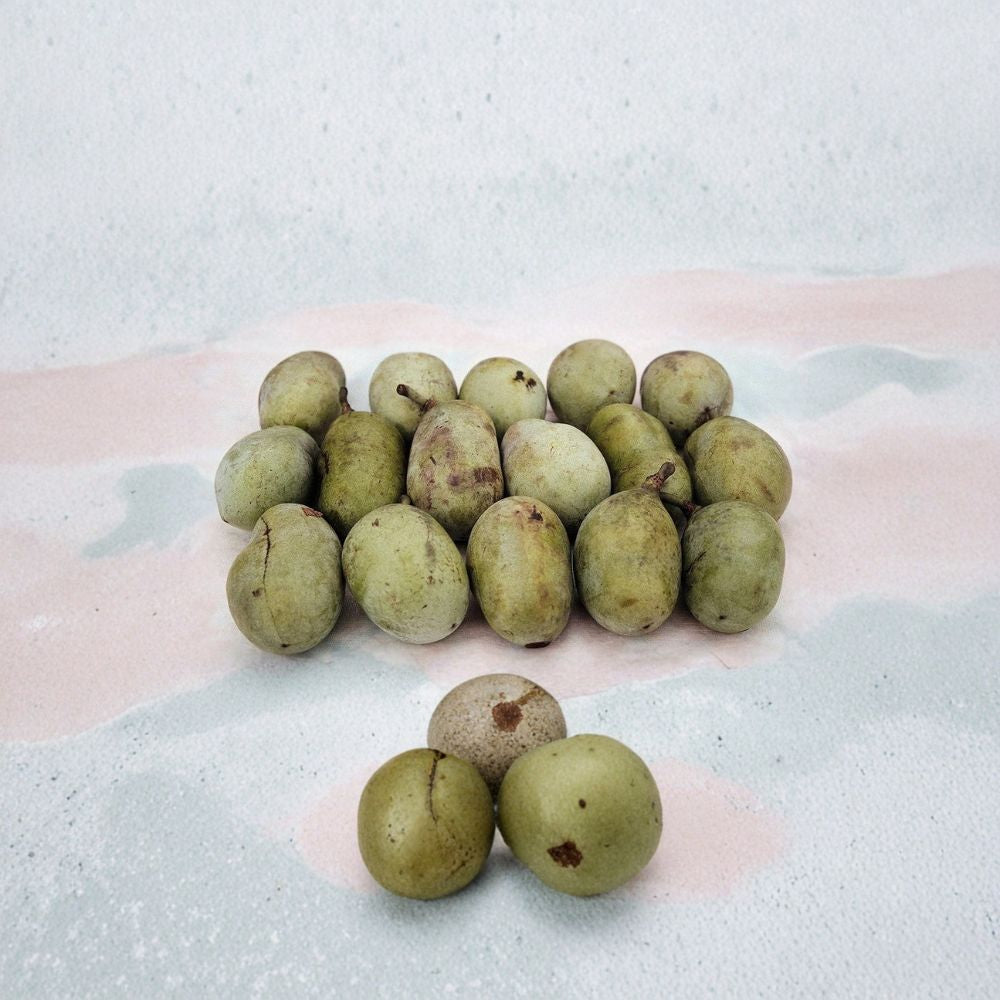
Pawpaw trees produce unique fruit with tropical flavors often compared to banana, mango, pineapple, and creamy vanilla custard. It is the only Annona species naturally adapted to temperate climates, making it a rare and rewarding addition to edible landscapes and backyard orchards.
While Pawpaw naturally grows as an understory tree, for optimal fruit production it performs best in full sun with consistent moisture once established.
Hardy to USDA Zone 5 (experimental in Zone 4) and adaptable as far south as northern Florida (Zone 8B).
Plants are grown in a rich, healthy soil mix. Small natural organisms such as worms may occasionally be present — this is normal and reflects healthy living soil.
You will receive a plant similar in size and health to the one shown in the listing photos.
You will receive:
✔️ 1 live Pawpaw tree
✔️ Height: 20+ inches tall
✔️ Grown in 3.5" x 9" air prune pot
✔️ Fully developed root system
✔️ Secure packaging for safe arrival
🌼 Growing Information
Common Name: Pawpaw
Botanical Name: Asimina triloba
Plant Type: Deciduous native fruit tree
Growth Stage: Established young plant
Sun Requirements: Full sun for best fruiting (partial shade when young)
Soil: Rich, well-draining soil with organic matter
Watering: Moderate; keep soil evenly moist, especially during establishment
Mature Height: 15–25 feet
Growth Rate: Moderate
USDA Zones: 5–8B (hardy to Zone 5; experimental in Zone 4)
Container Friendly: Temporary; best planted in ground long-term
💡 Care Tip: Provide afternoon shade during the first growing season in hotter climates. Apply mulch around the base to conserve moisture and protect developing roots.
Share