Nectaplum Scion Wood – 5 Fresh Cuttings | Nectarine Plum Hybrid | 3–6 Inch Grafting Scions | Rare Fruit Tree Variety | Non-GMO
Nectaplum Scion Wood – 5 Fresh Cuttings | Nectarine Plum Hybrid | 3–6 Inch Grafting Scions | Rare Fruit Tree Variety | Non-GMO
Couldn't load pickup availability
Grow a truly unique fruit tree with these Nectaplum scion cuttings, a rare hybrid of nectarine and plum prized for its exceptional flavor and ornamental beauty. This listing includes 5 fresh scions, ideal for grafting onto compatible rootstock.
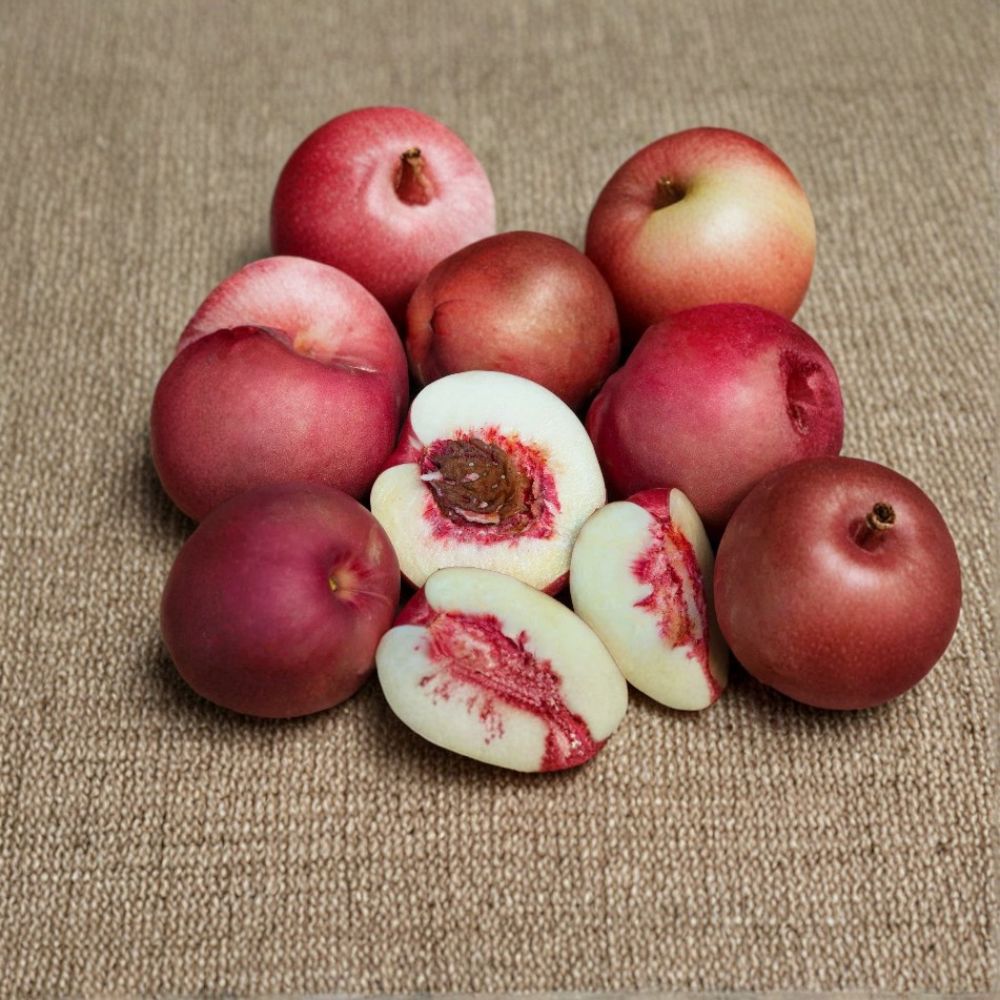
Nectaplum produces stunning fruit that starts deep maroon and ripens to a soft pink, offering a sweet, complex flavor combining the best of nectarines and plums. In spring, the tree features dark pink-purple blossoms and striking red foliage, making it both a productive and decorative addition to any orchard or garden.
This variety is often described as one of the best-tasting stone fruits, making it highly sought after by collectors and fruit enthusiasts. Please note: this listing is for scion wood only (unrooted cuttings)—no plants or fruit included.
You will receive scions similar in size and quality to those shown in listing photos.
You will receive:
✔️ 5 Nectaplum scion cuttings
✔️ Length: approximately 3–6 inches
✔️ 3–5 nodes per cutting
✔️ Fresh, healthy grafting wood
✔️ Non-GMO, organically grown
🌼 Growing Information
Common Name: Nectaplum (Nectarine x Plum Hybrid)
Botanical Name: Prunus spp. (hybrid)
Plant Type: Deciduous fruit tree
Growth Stage: Scion wood (for grafting)
Sun Requirements: Full sun (6–8 hours daily)
Soil: Well-draining, fertile soil
Watering: Moderate; consistent moisture during establishment
Mature Height: 10–20 feet (depending on rootstock)
Growth Rate: Moderate
USDA Zones: 6–9 (varies by rootstock)
Container Friendly: Yes (with dwarf rootstock)
💡 Care Tip:
Store scions wrapped in slightly moist paper in the refrigerator until ready to graft. Graft during late winter to early spring onto compatible Prunus rootstock for best success.
Share