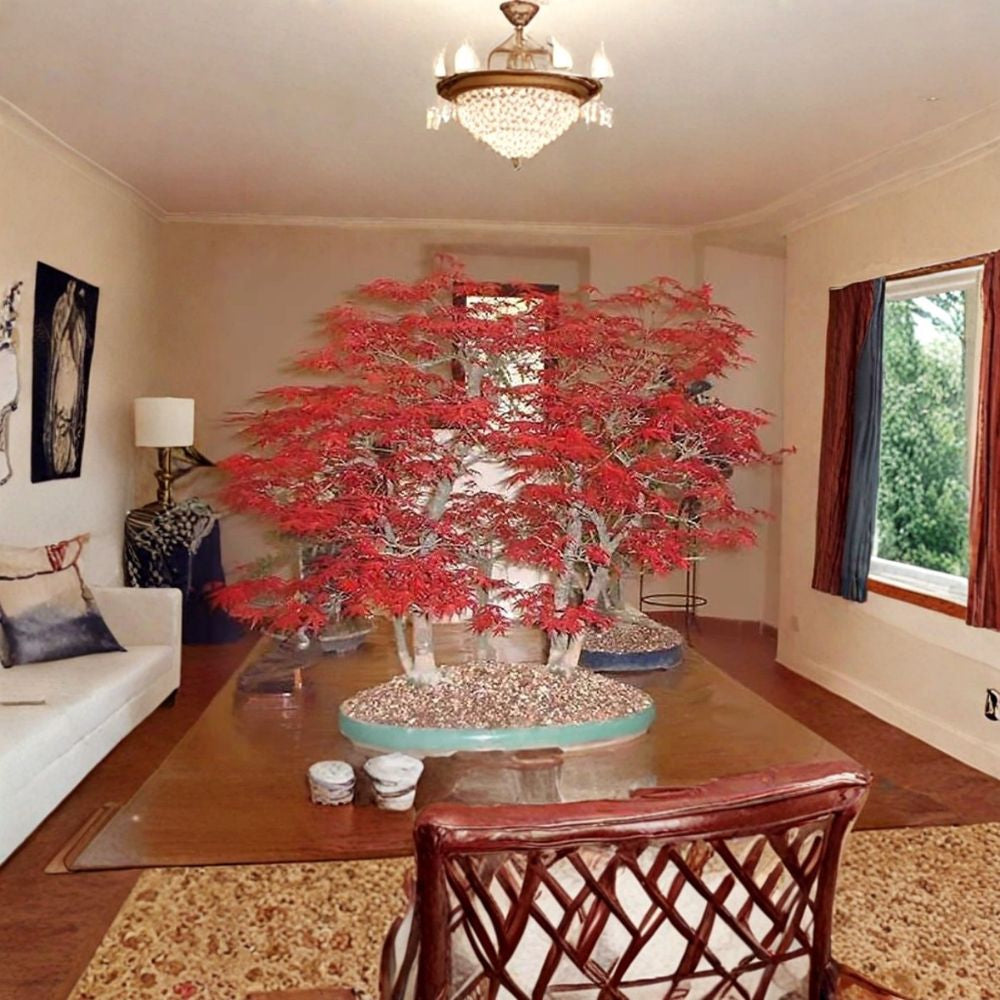
Lace Leaf Japanese Maple Seeds – Acer palmatum dissectum | 240 Seeds
Lace Leaf Japanese Maple Seeds – Acer palmatum dissectum | 240 Seeds
Couldn't load pickup availability
Grow one of the most elegant ornamental trees with Lace Leaf Japanese Maple (Acer palmatum dissectum). Known for its finely dissected, lace-like foliage and spectacular fall color, this small deciduous tree is ideal for bonsai growers, nurseries, and landscape plantings.
These seeds are not from a specific named cultivar. Seed-grown trees will vary in leaf color, growth habit, and degree of dissection — producing unique and beautiful specimens. Many display purple-red spring foliage, green to bronze summer tones, and brilliant orange-red fall color.
Perfect for bulk planting, bonsai production, and resale growers.
You will receive:
✔️ 240 Lace Leaf Japanese Maple seeds
✔️ Fresh seeds (not pretreated)
✔️ Clearly labeled seed packet
✔️ Basic germination instructions
🌱 Plant Details
Botanical Name: Acer palmatum dissectum
Common Name: Lace Leaf Japanese Maple
Plant Type: Small deciduous ornamental tree
Mature Height: 6–8 feet
Spread: 6–8 feet
Growth Rate: Fast when young, moderate with age
USDA Zones: 5–8
Sun: Full sun to part shade (afternoon shade recommended in warmer regions)
Soil: Moist, well-drained, slightly acidic, organically rich
Water: Medium; keep consistently moist
Drought Tolerance: Low
Fall Color: Yellow, orange, red, bronze, or purple
🍂 Landscape & Growing Uses
• Elegant specimen tree
• Bonsai cultivation
• Rock and woodland gardens
• Patio containers
• Pond or water feature accent
• Nursery and bulk growing projects
Mulch helps retain soil moisture and keep roots cool. Protect from hot, dry winds and intense afternoon sun in southern climates.
🌰 Germination Instructions
Japanese Maple seeds require pretreatment:
-
Scarify: Pour hot water over seeds and soak for 24 hours.
-
Stratify: Cold stratify at 40°F for 90–120 days in a moist (not wet) medium.
-
Sow 1/4 inch deep after stratification.
-
Keep soil evenly moist but not saturated.
Germination may be slow and uneven — patience is important.
Share