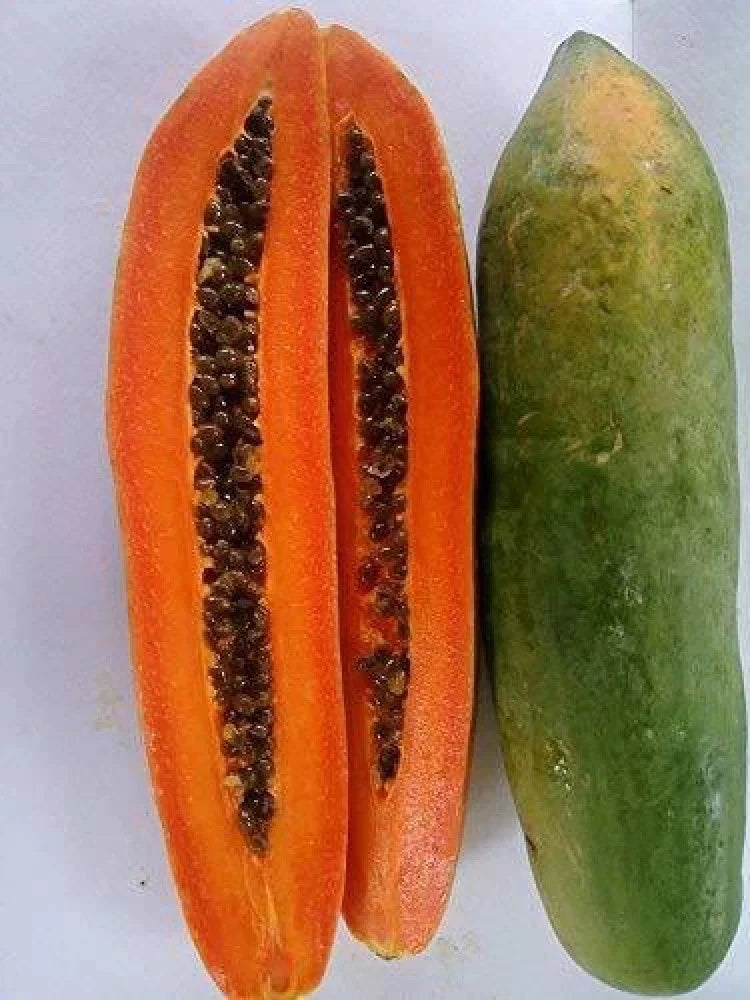
Kingsland Dwarf Papaya (Carica papaya) – 3,000+ Premium Seeds (Red Pawpaw)
Kingsland Dwarf Papaya (Carica papaya) – 3,000+ Premium Seeds (Red Pawpaw)
Couldn't load pickup availability
Our bulk premium selection includes 3,000+ high-viability, professionally harvested seeds, making it an excellent choice for commercial growers, large-scale edible landscape projects, or community orchard initiatives.
You will receive: ✔️ 3,000+ Premium-quality Carica papaya (Kingsland Dwarf variety) seeds ✔️ Hand-selected for exceptional viability and high germination rates ✔️ Packaged in professional, moisture-controlled botanical storage to ensure long-term freshness ✔️ Comprehensive germination and cultivation guide included to help you get started
🌼 Cultivation & Care Information
-
Botanical Name: Carica papaya (Kingsland Dwarf)
-
Common Name: Kingsland Dwarf Papaya / Red Pawpaw
-
Plant Type: Compact, high-yield tropical perennial
-
Sun Requirements: Full sun (Essential: Requires 6–8+ hours of direct, unfiltered sunlight daily for optimal sugar development and vibrant red coloration in the flesh).
-
Soil / Medium: Requires rich, fertile, and exceptionally well-draining soil; perfect for loamy soils or well-amended raised beds. Avoid water-logged conditions at all costs.
-
Watering: Consistent; maintain even soil moisture throughout the growth and fruiting stages. Good drainage is the secret to healthy, long-lived trees.
-
Growth Habit: Compact, dwarf architecture; begins fruiting at a lower height, making it much easier to manage than standard varieties.
-
Temperature: Thrives in warm, tropical, and frost-free climates; demands consistent warmth and total protection from any form of frost.
💡 Pro Growing Tip: To ensure maximum germination success for large batches, soak the seeds in lukewarm water for 24 hours to soften the protective coating. Sow in a light, sterile, well-draining starting mix and maintain a consistent temperature of 75°F–85°F (24°C–29°C). Because this variety is compact, it is also highly responsive to container gardening—if you have limited space, these trees can be grown in large, deep pots with excellent success!
Share