Joseph’s Coat Climbing Rose Cuttings – Rare Propagation Set | 3 Cuttings 6–8 Inches Long | Rooting or Grafting Rose
Joseph’s Coat Climbing Rose Cuttings – Rare Propagation Set | 3 Cuttings 6–8 Inches Long | Rooting or Grafting Rose
Couldn't load pickup availability
Grow a stunning garden favorite with this SUPER RARE Joseph’s Coat Climbing Rose propagation set, including 3 cuttings measuring approximately 6–8 inches long. These cuttings are suitable for rooting or grafting, making them ideal for gardeners who enjoy propagating roses and expanding their flower garden.
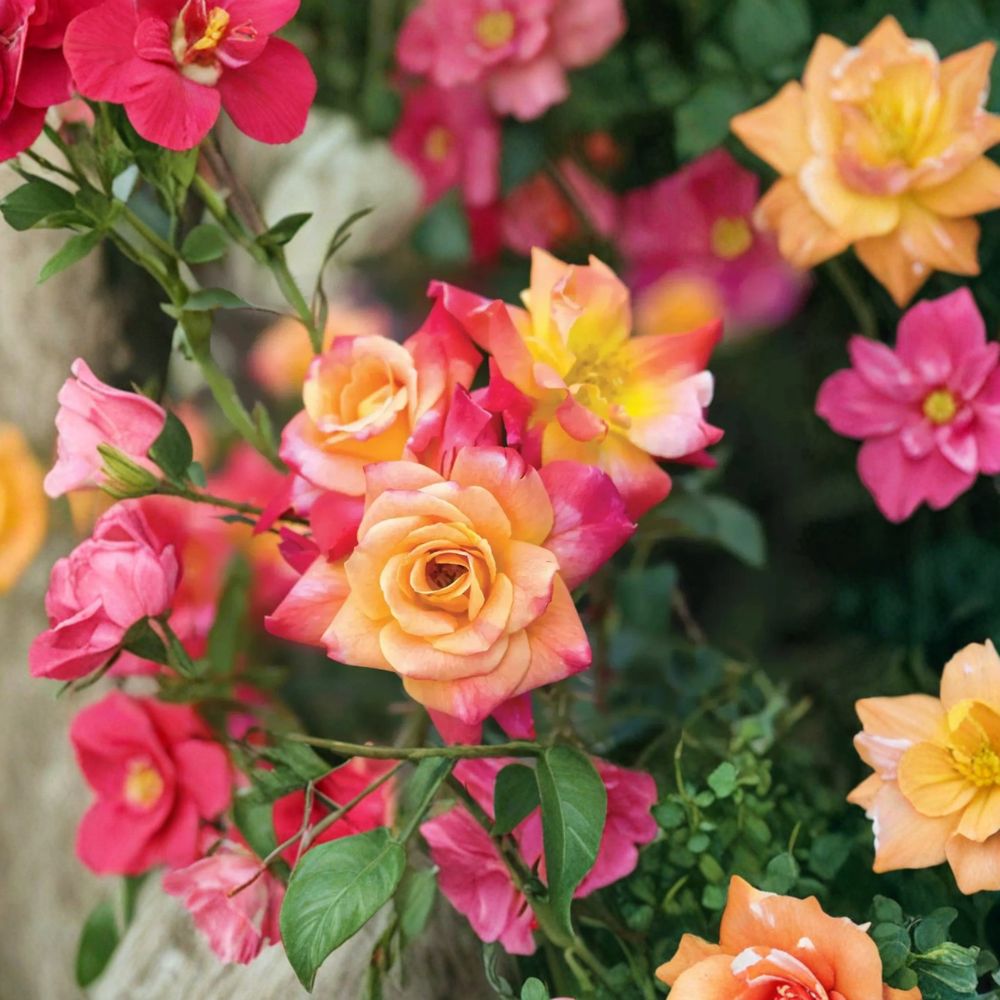
Joseph’s Coat Climbing Rose is famous for its spectacular multicolor blooms that change shades of yellow, orange, pink, and red as they mature. This vigorous climbing rose produces clusters of vibrant flowers throughout the growing season and is perfect for trellises, fences, arbors, and garden walls.
Each cutting contains healthy nodes and can be rooted in water or soil, or grafted onto compatible rose rootstock. With proper care and patience, these cuttings can grow into beautiful climbing rose plants that bring color and fragrance to your garden.
You will receive:
✔️ 3 Joseph’s Coat climbing rose cuttings
✔️ Length: approximately 6–8 inches each
✔️ Fresh propagation wood with healthy nodes
✔️ Suitable for rooting or grafting
✔️ Carefully packaged to maintain freshness during shipping
🌼 Growing Information
Common Name: Joseph’s Coat Climbing Rose
Botanical Name: Rosa ‘Joseph’s Coat’
Plant Type: Climbing rose shrub
Growth Stage: Unrooted propagation cuttings
Sun Requirements: Full sun (6–8 hours daily preferred)
Soil: Well-draining slightly acidic garden soil
Watering: Keep propagation medium lightly moist
Mature Height: 8–12 feet when trained on trellis
Growth Rate: Moderate to fast
USDA Zones: 5–9
Container Friendly: Yes with trellis support
💡 Care Tip: While rooting, keep cuttings in bright indirect light and moderate humidity. Using rooting hormone and maintaining a warm environment can improve propagation success.
Share