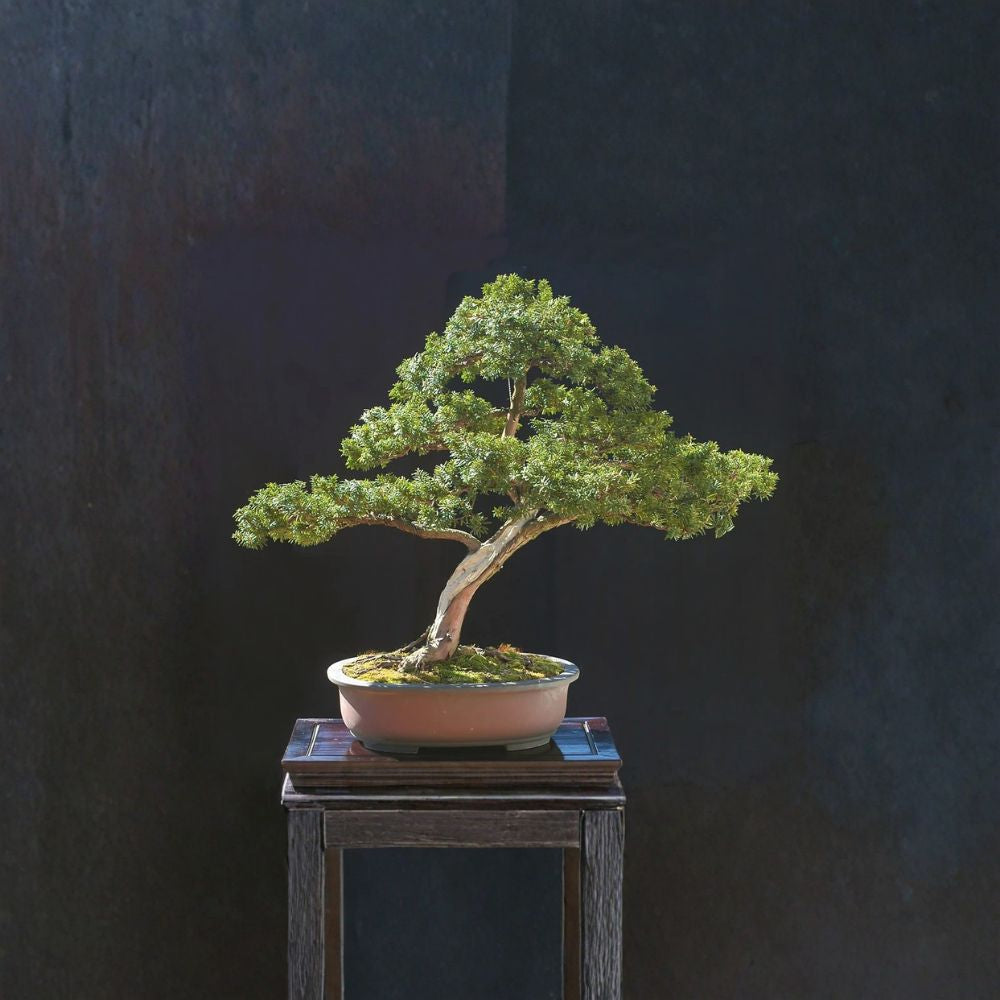
Japanese Yew – Taxus cuspidata ‘Capitata’ Seeds | 30 Evergreen Tree Seeds | Cold Hardy Ornamental Conifer | Bonsai & Hedge Plant
Japanese Yew – Taxus cuspidata ‘Capitata’ Seeds | 30 Evergreen Tree Seeds | Cold Hardy Ornamental Conifer | Bonsai & Hedge Plant
Couldn't load pickup availability
Grow a classic evergreen landscape tree with these 30 Japanese Yew (Taxus cuspidata ‘Capitata’) seeds, a durable and elegant conifer known for its dense foliage and attractive pyramidal growth habit. This ornamental tree or shrub is widely valued in gardens for its deep green needles, long lifespan, and ability to thrive in shaded areas where many evergreens struggle.
Native to Japan, Korea, and Manchuria, Japanese Yew develops a refined columnar shape that works beautifully in formal landscapes, hedges, privacy screens, and bonsai cultivation. Mature female plants produce bright red berry-like arils that add ornamental interest and help attract birds to the garden.
This slow-growing evergreen is highly adaptable and tolerant of urban conditions, pruning, and colder climates, making it a dependable choice for both beginner gardeners and experienced landscapers. Whether planted as a specimen tree or shaped into topiary, Japanese Yew offers year-round structure and beauty.
You will receive:
✔️ 30 Japanese Yew tree seeds
✔️ Botanical species: Taxus cuspidata ‘Capitata’
✔️ Fresh, untreated seeds for planting
✔️ Clearly labeled seed packet
✔️ Basic planting instructions
🌼 Growing Information
Common Name: Japanese Yew
Botanical Name: Taxus cuspidata ‘Capitata’
Plant Type: Evergreen conifer tree or shrub
Growth Stage: Seed
Sun Requirements: Full sun to partial shade
Soil: Well-draining sandy or loamy soil
Watering: Moderate; prefers evenly moist soil
Mature Height: 10–25 feet
Mature Spread: 5–10 feet
Growth Rate: Slow
USDA Zones: 4–7
Special Features: Attractive red fruit, shade tolerant, ideal for hedges, screens, and bonsai
💡 Care Tip: Japanese Yew prefers well-drained soil and partial shade but adapts to full sun in cooler climates. Avoid overly wet soils, and prune in early spring to maintain a neat pyramidal form.
Share