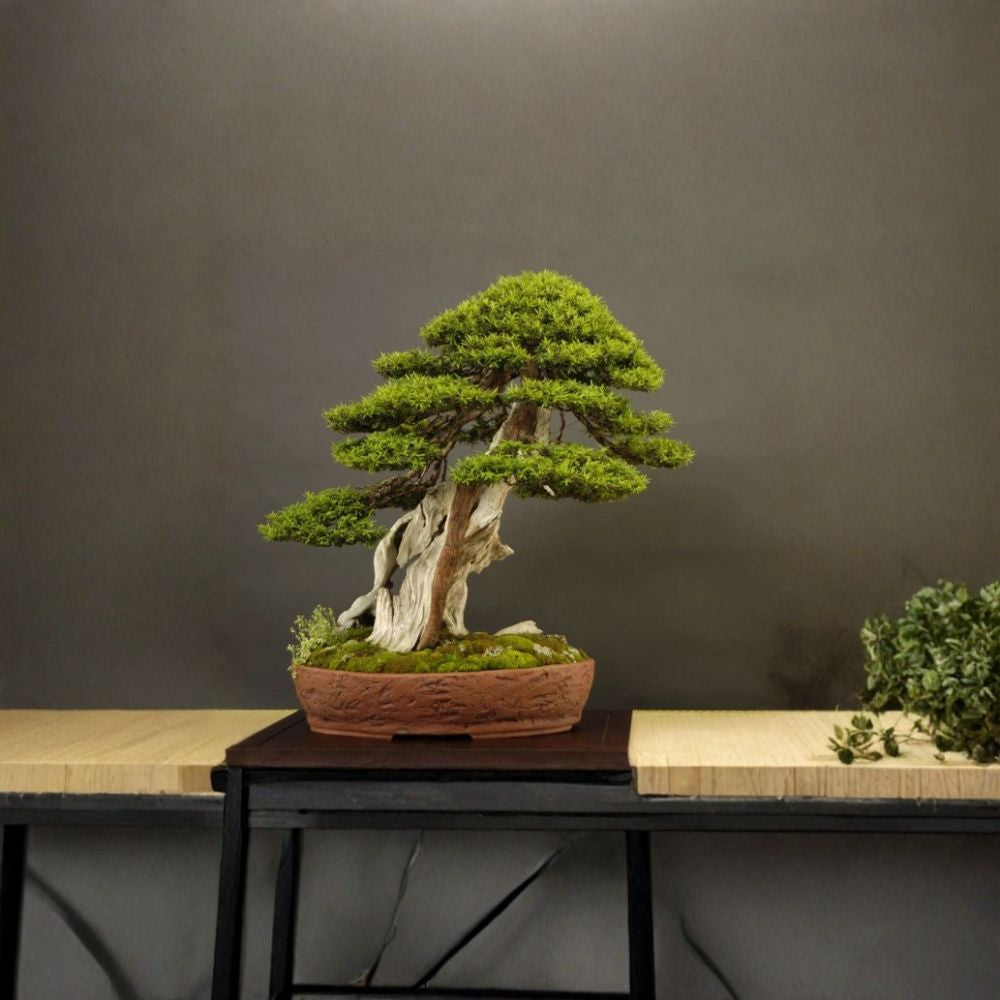
Japanese Yew – Taxus cuspidata ‘Capitata’ Seeds | 10 Evergreen Tree Seeds | Cold Hardy Ornamental Conifer | Bonsai & Landscape Tree
Japanese Yew – Taxus cuspidata ‘Capitata’ Seeds | 10 Evergreen Tree Seeds | Cold Hardy Ornamental Conifer | Bonsai & Landscape Tree
Couldn't load pickup availability
Grow a beautiful and long-lived evergreen with Japanese Yew (Taxus cuspidata ‘Capitata’) seeds, a classic ornamental conifer valued for its elegant shape, deep green needles, and adaptability in gardens and landscapes. This hardy species forms a pyramidal, columnar tree or large shrub, making it a popular choice for hedges, foundation plantings, and bonsai cultivation.
Native to Japan, Korea, China, and parts of Russia, Japanese Yew is prized for its durability and ability to thrive even in shady garden areas where many evergreens struggle. The plant features dark green, needle-like foliage with lighter tones underneath, and mature female plants produce bright red berry-like fruits (arils) that attract birds and wildlife.
This slow-growing evergreen can reach 10–25 feet tall in cultivation, though it is easily maintained at smaller sizes through pruning. Its tolerance of urban environments, shade, and cold temperatures makes it a versatile addition to both traditional and modern landscape designs.
You will receive:
✔️ 10 Japanese Yew tree seeds
✔️ Botanical species: Taxus cuspidata ‘Capitata’
✔️ Untreated seeds for planting
✔️ Clearly labeled seed packet
✔️ Basic planting instructions
🌼 Growing Information
Common Name: Japanese Yew
Botanical Name: Taxus cuspidata ‘Capitata’
Plant Type: Evergreen conifer tree or shrub
Growth Stage: Seed
Sun Requirements: Full sun to partial shade
Soil: Well-draining sandy or loamy soil
Watering: Moderate; prefers evenly moist soil
Mature Height: 10–25 feet
Mature Spread: 5–10 feet
Growth Rate: Slow
USDA Zones: 4–7
Special Features: Wildlife habitat, ornamental fruit, excellent for hedges and bonsai
💡 Care Tip: Japanese Yew grows well in partially shaded areas and tolerates pruning very well. For best growth, plant in well-drained soil and protect from excessively wet conditions, especially during winter.
Share