Japanese Wisteria – Rare Wisteria Vine Cuttings | 5 Fresh 6–8 Inch Unrooted Cuttings | Japanese Cultivar Climbing Vine | Cuttings for Rooting or Grafting
Japanese Wisteria – Rare Wisteria Vine Cuttings | 5 Fresh 6–8 Inch Unrooted Cuttings | Japanese Cultivar Climbing Vine | Cuttings for Rooting or Grafting
Couldn't load pickup availability
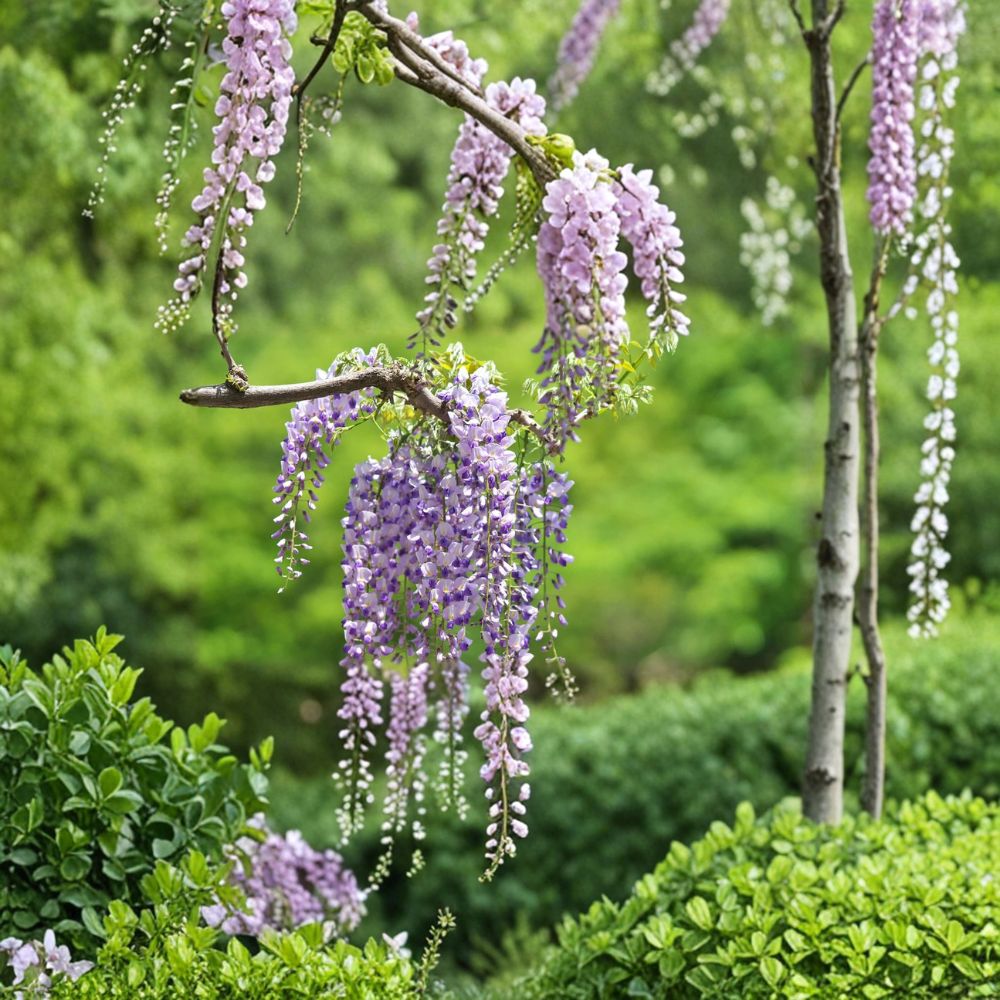
Grow a stunning ornamental climber with these SUPER RARE Japanese Cultivar Wisteria cuttings. Japanese wisteria is admired for its long cascading clusters of fragrant flowers, creating a breathtaking display on trellises, pergolas, garden arches, and fences.
These fresh unrooted cuttings (approximately 6–8 inches long) are suitable for rooting in soil or water, or grafting onto compatible wisteria rootstock such as Wisteria floribunda or Wisteria sinensis. Once established, wisteria vines grow vigorously and produce beautiful hanging blooms each spring, making them one of the most spectacular flowering vines for ornamental gardens.
Perfect for climbing plant collections, landscape features, and cottage-style gardens, this rare vine adds dramatic vertical beauty and seasonal fragrance to outdoor spaces. You will receive cuttings similar in size and health to those shown in the listing photos, carefully packaged to maintain freshness during shipping.
You will receive:
✔️ 5 fresh Japanese Wisteria cuttings
✔️ Length: approximately 6–8 inches each
✔️ Unrooted cuttings suitable for rooting or grafting
✔️ Healthy propagation material from mature vine
✔️ Secure packaging for safe arrival
🌼 Growing Information
Common Name: Japanese Wisteria
Botanical Name: Wisteria floribunda
Plant Type: Deciduous flowering climbing vine
Growth Stage: Unrooted cuttings
Sun Requirements: Full sun to partial sun
Soil: Well-draining fertile soil with organic matter
Watering: Moderate; keep soil lightly moist during rooting
Mature Length: 20–30 feet with trellis or pergola support
Growth Rate: Fast-growing vine
USDA Zones: 5–9
Container Friendly: Yes with strong support
💡 Care Tip: Wisteria cuttings root best in warm temperatures (65–75°F) with moderate humidity and bright indirect light. Using rooting hormone and maintaining a humidity dome can significantly improve propagation success.
Share