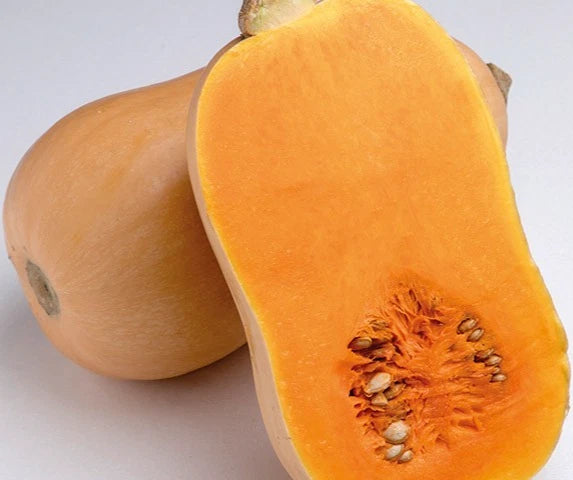
Jacqueline Honey Butternut Squash (Cucurbita moschata) – 100+ Premium Seeds
Jacqueline Honey Butternut Squash (Cucurbita moschata) – 100+ Premium Seeds
Couldn't load pickup availability
Our premium selection contains 100+ high-viability, carefully harvested seeds, selected specifically for their high germination potential. Squash vines are renowned for their vigor, adaptability to various soil types, and their large, lush foliage, making them a stunning and functional addition to any vegetable plot or kitchen garden.
You will receive:
✔️ 100+ Premium-quality Cucurbita moschata (Jacqueline Honey Squash) seeds
✔️ Hand-selected for optimal viability and robust germination potential
✔️ Packaged in professional, moisture-controlled botanical storage to maintain freshness
✔️ Germination and initial cultivation guide included to help you get started
🌼 Cultivation & Care Information
○ Botanical Name: Cucurbita moschata
○ Common Name: Jacqueline Honey Butternut Squash
○ Plant Type: Vigorous, annual vining vegetable
○ Sun Requirements: Full sun (Essential: Requires 6–8+ hours of direct, unfiltered sunlight daily to ensure strong vine development and deep fruit sweetness).
○ Soil / Medium: Requires rich, fertile, and very well-draining soil (Ensure the planting site is enriched with organic compost to support rapid growth and high fruit yield).
○ Watering: Consistent; water deeply and regularly to keep the root zone evenly moist during the growing season. Ensure the water is applied to the soil, avoiding the leaves to prevent mildew.
○ Growth Habit: A vigorous, trailing vine; ideal for sprawling across garden beds or training vertically on a sturdy trellis to save space.
○ Temperature: Thrives in warm, sunny climates; plant once the danger of frost has passed and the soil has thoroughly warmed.
💡 Pro Growing Tip: To successfully germinate your squash, soak the seeds in lukewarm water for 12 hours to soften the hull before planting. Sow 1 inch deep in warm, fertile soil once temperatures are consistently above 65°F (18°C). Squash plants are hungry feeders—mulch heavily with organic matter to retain moisture and keep those gorgeous, honey-sweet fruits clean as they develop!
Share