Illinois Everbearing Mulberry Tree – Morus alba × rubra Live Plant | 12–16 Inches Tall | Sweet Berry Fruit Tree | Shipped in Nursery Pot
Illinois Everbearing Mulberry Tree – Morus alba × rubra Live Plant | 12–16 Inches Tall | Sweet Berry Fruit Tree | Shipped in Nursery Pot
Couldn't load pickup availability
Start growing delicious berries with this live Illinois Everbearing Mulberry tree, shipped 12–16 inches tall in a small nursery shipping pot. This popular hybrid mulberry (Morus alba × Morus rubra) is prized for its sweet blackberry-like fruit, fast growth, and long fruiting season.
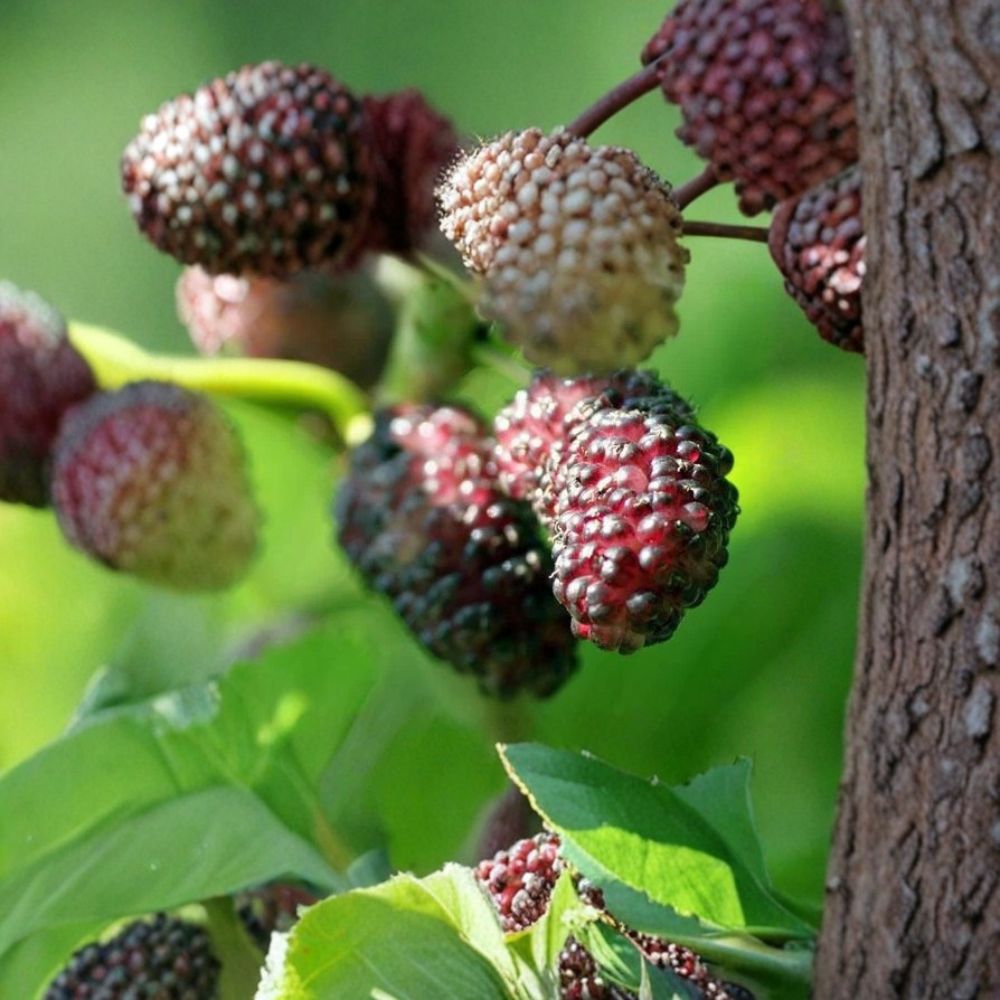
Illinois Everbearing mulberry trees produce reddish-black berries about 1–1.25 inches long, ripening continuously throughout summer and early fall. The berries are sweet and flavorful, perfect for fresh eating, jams, desserts, smoothies, and even homemade wine.
This fast-growing tree can grow 3–5 feet per year in favorable conditions and can also be kept smaller through pruning or container growing. Its lush green leaves and productive fruit make it a great addition to backyard orchards, edible landscapes, and wildlife-friendly gardens.
You will receive a healthy plant similar in size and condition to the one shown in listing photos.
You will receive:
✔️ 1 live Illinois Everbearing mulberry tree
✔️ Height: approximately 12–16 inches
✔️ Shipped in small nursery shipping pot
✔️ Healthy rooted plant ready for planting
✔️ Carefully packaged for safe delivery
🌼 Growing Information
Common Name: Illinois Everbearing Mulberry
Botanical Name: Morus alba × Morus rubra
Plant Type: Deciduous fruit tree
Growth Stage: Young potted plant
Sun Requirements: Full sun (6–8 hours daily preferred)
Soil: Well-draining loamy soil (pH 6.0–7.0)
Watering: Moderate; keep soil moist during establishment
Mature Height: 30–50 feet (smaller with pruning)
Growth Rate: Fast growing (3–5 feet per year)
USDA Zones: 4–9
Pollination: Self-fertile
Container Friendly: Yes when pruned regularly
💡 Care Tip:
Apply 2–3 inches of mulch around the base to help retain soil moisture and suppress weeds. Prune in late winter to shape the tree and maintain a manageable size for easier harvesting.
Share