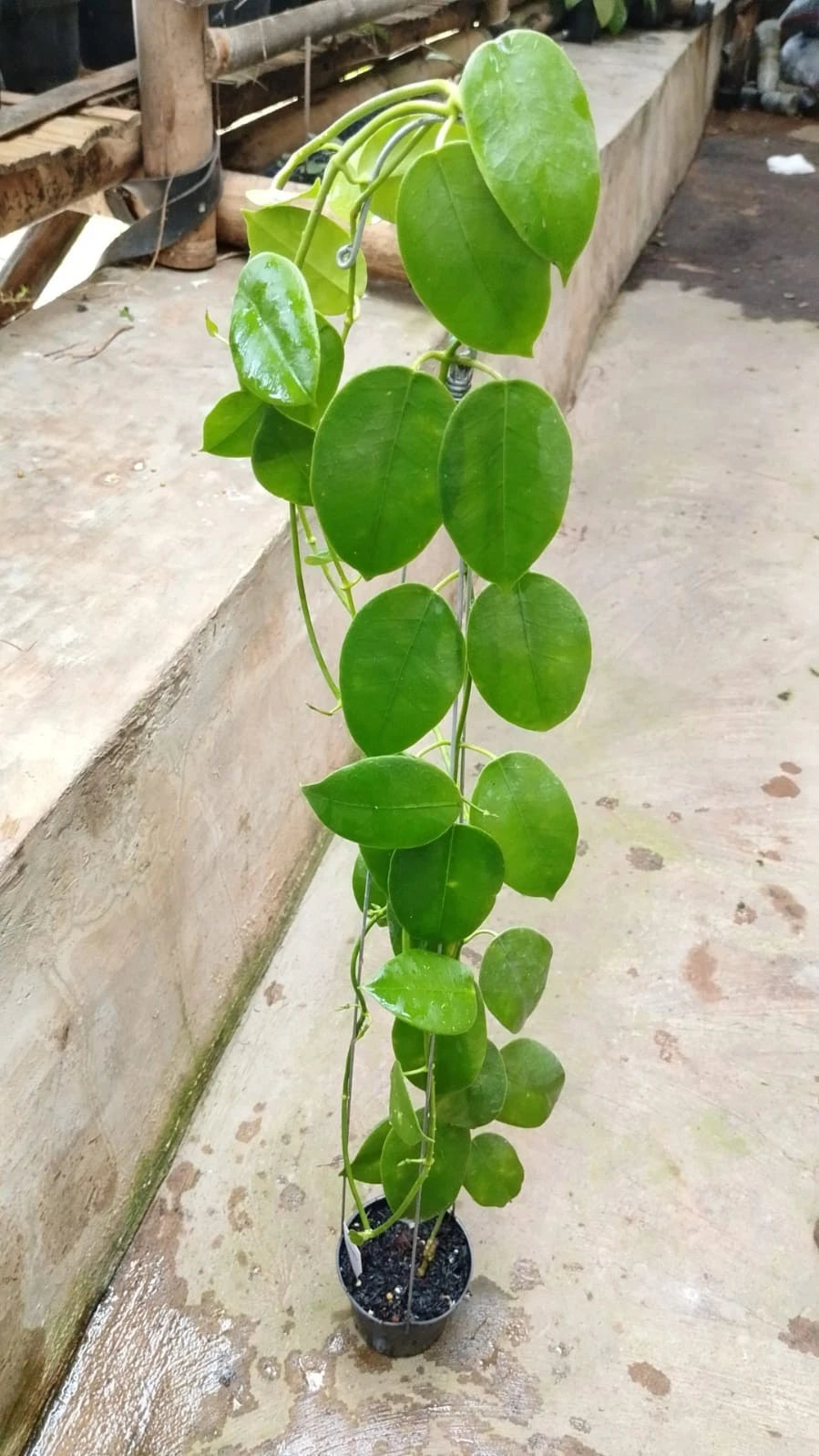
Hoya Lauterbachii SP Papua Lush Leaves Rare Tropical Wax Plant (Giant Fuzzy-Flowered Epiphytic Vine Specimen) – Premium Botanical Houseplant Seeds & Cuttings for Growing
Hoya Lauterbachii SP Papua Lush Leaves Rare Tropical Wax Plant (Giant Fuzzy-Flowered Epiphytic Vine Specimen) – Premium Botanical Houseplant Seeds & Cuttings for Growing
Couldn't load pickup availability
Cultivate one of the most spectacular and sought-after rare tropical wax plants from the biodiversity hotspots of Papua New Guinea, celebrated for its massive, fuzzy, bell-shaped blossoms, lush velvety foliage, and vigorous climbing habit, with our offering of the Hoya Lauterbachii SP Papua (Hoya lauterbachii), a premier horticultural selection developed through elite agricultural breeding and celebrated by agronomists, conservatory horticulturists, and rare houseplant collectors worldwide for its giant floral display, captivating fragrance, and exceptional structural beauty. True Hoya Lauterbachii specimens are prized for their adaptability to warm indoor light microclimates, stunning fuzzy leaf texture, and outstanding performance in specialized container systems, sturdy trellises, and advanced tropical greenhouse environments. Whether establishing a rare indoor botanical display, expanding an advanced rare plant collection, or launching a specialized tropical propagation project, this premium specimen provides a dependable foundation for successful cultivation.
Our selection contains carefully sourced, high-viability Hoya Lauterbachii SP Papua material, chosen specifically for their certified purity and robust genetic lineage. This specialized tropical plant is prized for its superior hardiness, structural elegance, and captivating visual appeal, making it a top choice for interior decorators, specialized botanical propagators, and rare plant enthusiasts worldwide.
You will receive:
✔️ 1x Premium Hoya Lauterbachii SP Papua (Hoya lauterbachii) botanical specimen
✔️ Hand-selected for exceptional genetic traits and robust agricultural development potential
✔️ Packaged in professional, moisture-controlled botanical protection to maintain long-term viability during transit
✔️ Initial cultivation and care guide included to help you get started
🌿 Cultivation & Care Information
-
Botanical Name: Hoya lauterbachii (Papua Form)
-
Common Name / Synonym: Giant Bell Hoya / Fuzzy-Leaved Papuan Hoya / Rare Tropical Wax Plant
-
Plant Type: Vigorous evergreen tropical epiphytic vine / Velvety-leaved climbing houseplant
-
Sun Requirements: Bright, indirect light to filtered morning sun (Performs exceptionally well in well-lit indoor spaces or under greenhouse shade cloth; bright indirect light is crucial to trigger the development of its massive floral clusters).
-
Soil / Medium: Thrives in a loose, chunky, exceptionally well-draining epiphytic mix (such as a blend of large orchid bark, perlite, pumice, and coco chips) with a slightly acidic to neutral pH (6.0 to 7.0). Superior aeration around the robust root system is essential.
-
Watering: Allow the top half of the soil mix to dry out between waterings. While it features fuzzy succulent-like leaves, its large size requires slightly more consistent moisture than thin-leaved Hoyas during active growth; avoid prolonged waterlogging.
-
Growth Habit: A highly vigorous, heavy, twining epiphytic evergreen vine featuring large, lush, fuzzy green leaves and producing some of the largest, most spectacular bell-shaped velvety flowers in the entire Hoya genus.
-
Temperature: Thrives in warm, humid tropical and indoor household environments (Ideal temperature range: 22°C to 30°C / 72°F to 86°F). Protect from cold drafts, sudden temperature drops, and freezing conditions.
🌱 Pro Growing Tip: To accelerate and maximize growth and flowering success with your Hoya Lauterbachii SP Papua, provide a very sturdy heavy-duty trellis or support system to manage its weighty, vigorous vines, maintain high ambient humidity (60% to 80%), and use a highly aerated chunky medium to prevent root rot while accommodating its rapid and substantial growth!
Share