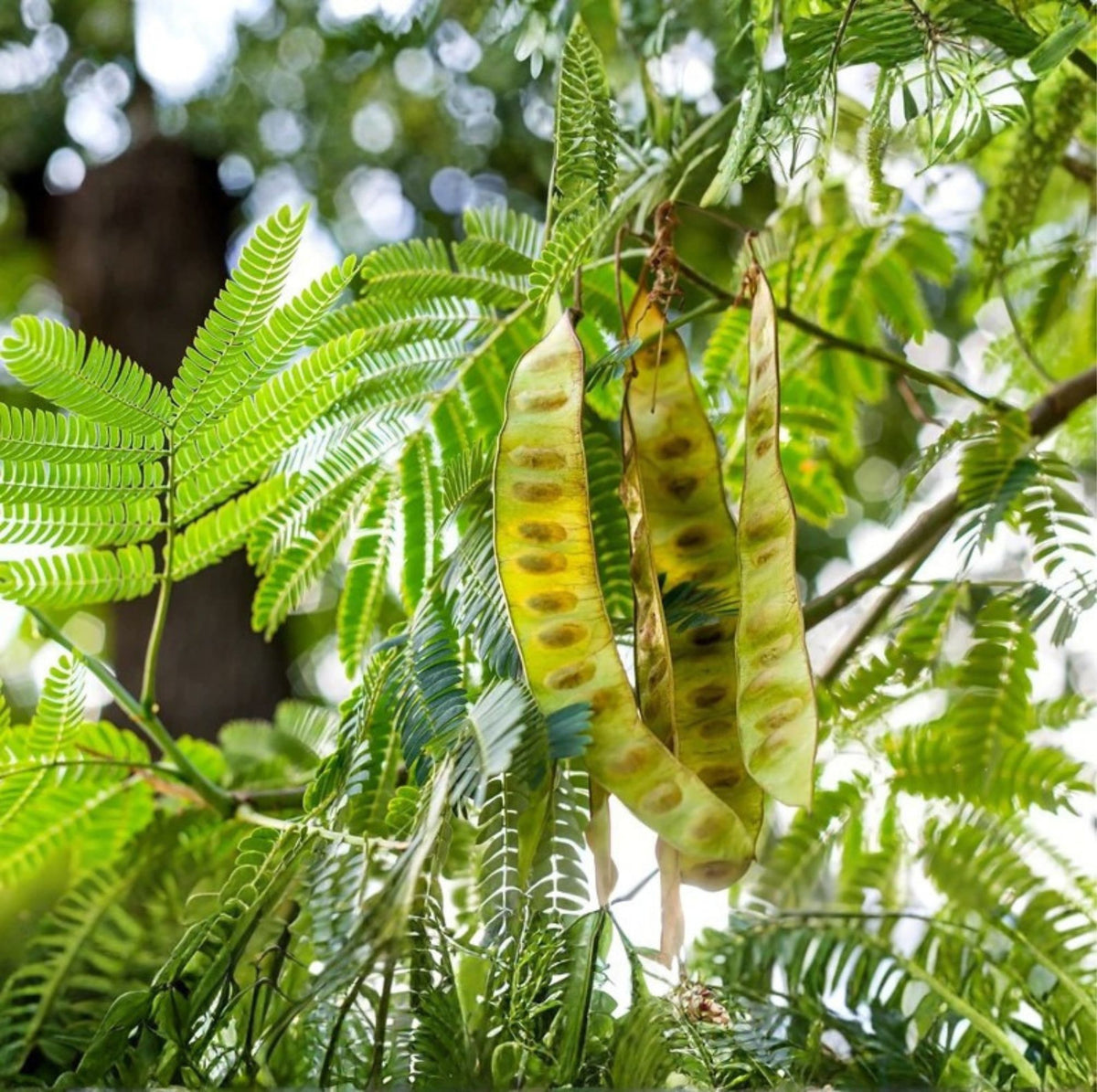
Honey Locust Live Tree, Gleditsia triacanthos, 18–28 Inch Potted Tree, Native North American Tree, Windbreak, Wildlife Habitat, Bonsai
Honey Locust Live Tree, Gleditsia triacanthos, 18–28 Inch Potted Tree, Native North American Tree, Windbreak, Wildlife Habitat, Bonsai
Couldn't load pickup availability
Honey Locust Live Tree – Gleditsia triacanthos, 18–28 Inches Tall
Add a fast-growing native North American tree to your landscape with Honey Locust (Gleditsia triacanthos), also known as Thorny Locust or Sweet Locust. This hardy deciduous tree is valued for its filtered shade, bright yellow fall foliage, wildlife benefits, and versatile landscape uses.
Important: This is the thorny form of Honey Locust. Its long, sharp thorns make it unsuitable for many residential yards and areas where people or pets may come into contact with the tree. Choose its planting location carefully.
Plant Features
-
Botanical Name: Gleditsia triacanthos
-
Common Names: Honey Locust, Thorny Locust, Sweet Locust
-
Plant Type: Deciduous tree
-
Plant Size Shipped: Approximately 18–28 inches tall
-
Shipping Form: Fully rooted potted tree
-
Mature Height: Can reach approximately 80 feet
-
Foliage: Fine-textured leaves that turn bright yellow in fall
-
Growth Rate: Fast-growing
-
Origin: Central and eastern North America
Growing and Care Instructions
Sunlight: Full sun to partial shade.
Soil: Prefers moist, well-drained soil rich in organic matter.
Watering: Water regularly while establishing. Once established, Honey Locust is tolerant of drought.
Adaptability: Tolerates wind, salt, drought, and pollution. The tree is also described as deer-resistant.
Planting Location: Allow plenty of room for its mature size and thorny branches. Avoid planting near walkways, play areas, driveways, or other high-traffic locations.
Landscape and Wildlife Benefits
Honey Locust has an open branching structure and fine foliage that allow filtered sunlight to reach the ground. This makes it possible for grass and shrubs to grow beneath the canopy while still providing moderate shade.
Popular uses include:
-
Native garden plantings
-
Hedges and windbreaks
-
Soil erosion control
-
Wildlife habitat and shelter
-
Bonsai projects
The flowers provide nectar for bees and other pollinators. Its sweet, nutritious seed pods are eaten by wildlife and livestock, while dense thorny growth can provide protective cover for wildlife.
Bonsai Potential
Honey Locust's small leaves and distinctive branching make it an interesting bonsai candidate for growers who appreciate native tree species.
Additional Tree Characteristics
Honey Locust is a long-lived tree with dense, durable wood that is harder than white oak. Its wood is relatively easy to split and naturally rot-resistant. Traditional uses include firewood, fence posts, tool handles, and railroad ties.
What You Will Receive
-
One Honey Locust tree approximately 18–28 inches tall.
-
Fully rooted and shipped in soil in its pot.
-
Available year-round while supplies last.
-
Ships with leaves during spring and summer.
-
Ships dormant without leaves during fall and winter.
Plants are grown in a soilless mix and shipped by UPS.
Shipping Information
-
Free shipping is available to most locations.
-
We cannot ship these trees to PO Boxes.
-
Alaska, Hawaii, and U.S. territories may require an additional freight surcharge.
About Scenic Hill Farm
Scenic Hill Farm is a licensed Oregon nursery. Thank you for supporting our nursery!
Share