Hinoki Cypress – Chamaecyparis obtusa Tree Seeds | 300 Seeds | Hardy Evergreen Bonsai & Privacy Tree
Hinoki Cypress – Chamaecyparis obtusa Tree Seeds | 300 Seeds | Hardy Evergreen Bonsai & Privacy Tree
Couldn't load pickup availability
Hinoki Cypress (Chamaecyparis obtusa) is a graceful, slow-growing evergreen conifer native to Japan. Known for its elegant pyramidal form, layered horizontal branching, and rich reddish-brown exfoliating bark, this tree is a standout in both traditional and modern landscapes.
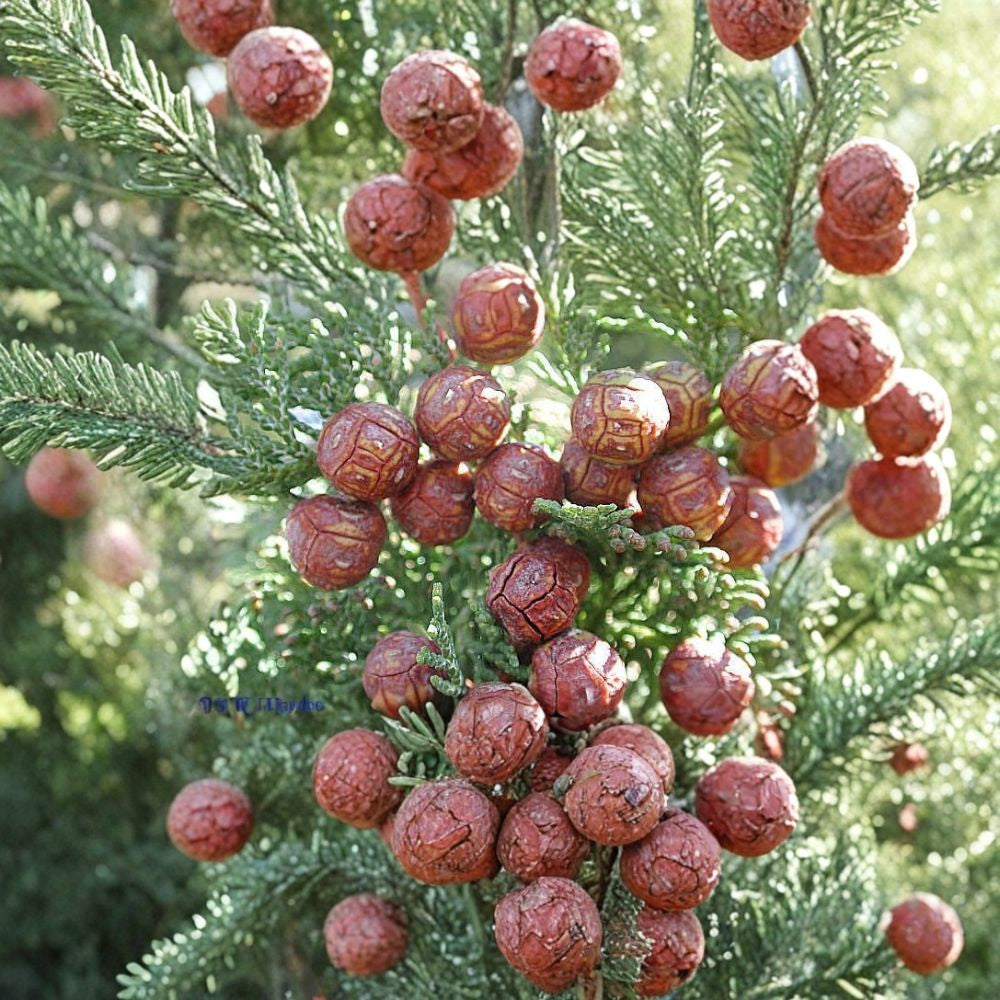
In cultivation, Hinoki Cypress typically reaches 50–75 feet tall with a 15–25 foot spread. Its dense, flat sprays of dark green, scale-like foliage feature delicate white markings beneath. Mature trees develop attractive peeling bark, and small orange-brown cones (about ½ inch wide) add subtle seasonal interest.
Highly valued for bonsai, privacy screens, hedges, foundation plantings, and specimen use, Hinoki Cypress is also recognized as one of the American Horticultural Society’s “75 Great Plants for American Gardens.”
You will receive:
✔️ 300 Hinoki Cypress (Chamaecyparis obtusa) seeds
✔️ Clearly labeled seed packet
✔️ Detailed germination instructions
✔️ Secure, moisture-protected packaging
🌿 Plant Details
Botanical Name: Chamaecyparis obtusa
Common Names: Hinoki Cypress, Japanese False Cypress
Plant Type: Evergreen conifer
USDA Zones: 4–8
Growth Rate: Slow
Mature Height: 50–75 feet
Spread: 15–25 feet
Shape: Pyramidal
Sun: Full Sun to Part Shade
Soil: Well-drained, moderately moist soil (tolerates clay, loam, sand; prefers slightly acidic)
Water: Medium
Drought Tolerance: Moderate
Maintenance: Low
Foliage: Evergreen, flat sprays of scale-like leaves
Cones: Small, orange-brown, about ½ inch
🌱 Seed Preparation & Germination
Seeds are very small. Follow these steps for best results:
-
Soak seeds in water for 24 hours.
-
Cold stratify for 30–40 days at 40°F in a moist medium (not wet).
-
Sow indoors 1/8 inch deep and keep evenly moist (not soggy).
Growing Tip: Protect young plants from strong winds. Prune lightly in summer if needed, avoiding cuts into older brown wood. Ensure good drainage to prevent root issues.
Share