Himalayan Spruce – Picea smithiana (Morinda Spruce) Seeds | 200 Seeds | Evergreen Conifer | Weeping Form | Cold Hardy Tree
Himalayan Spruce – Picea smithiana (Morinda Spruce) Seeds | 200 Seeds | Evergreen Conifer | Weeping Form | Cold Hardy Tree
Couldn't load pickup availability
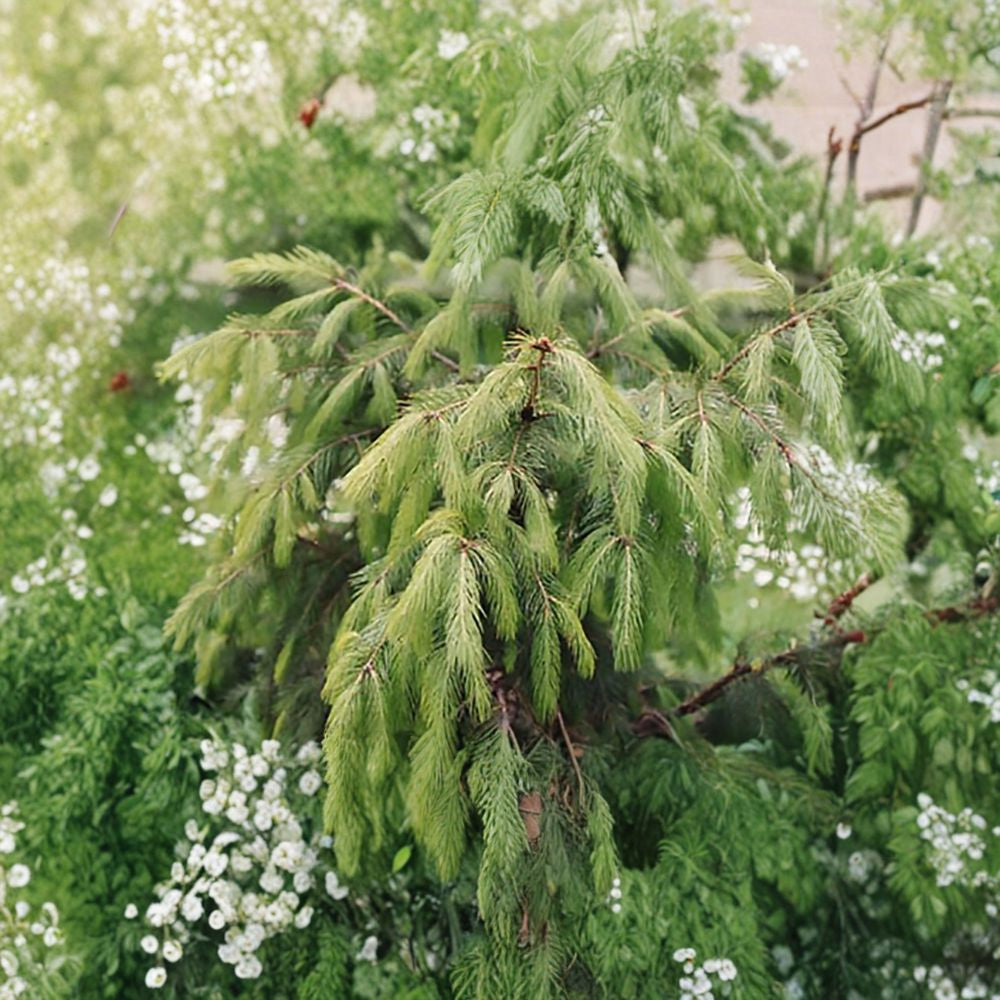
Grow an elegant, architectural evergreen with 200 Himalayan Spruce (Picea smithiana) seeds, also known as Morinda Spruce. This tall, pyramidal conifer is admired for its graceful horizontal branching and long, drooping branchlets that create a distinctive weeping appearance. Native to the Western Himalayas, it is a striking addition to large landscapes and estates.
Himalayan Spruce can mature to 70–100 feet tall with a 20–30 foot spread. Its needle-like green leaves are four-angled and densely arranged along the branches, while shiny brown-purple cones hang pendulously, adding ornamental interest. The bark matures to a scaly gray, enhancing its rugged mountain character.
Cold tolerant and moderately drought resistant once established, this evergreen performs best in regions with cool summers. It is highly valued as a specimen tree and can also be trained as bonsai when young. You will receive seeds similar in quality and viability to those shown in the listing photos.
You will receive:
✔️ 200 Himalayan Spruce seeds
✔️ Clearly labeled seed packet
✔️ Non-pretreated seeds
✔️ Sowing instructions included
✔️ Secure packaging for safe delivery
🌼 Growing Information
Common Name: Himalayan Spruce, Morinda Spruce
Botanical Name: Picea smithiana
Plant Type: Needled evergreen conifer tree
Growth Stage: Seed
Sun Requirements: Full sun
Soil: Average, medium moisture, well-drained soil
Watering: Medium; avoid waterlogged conditions
Mature Height: 70–100 feet
Growth Rate: Slow
USDA Zones: 6–8
Container Friendly: Yes, when young (suitable for bonsai)
💡 Care Tip: Soak seeds in water for 24 hours before planting. Cold stratify for 0–30 days at about 40°F in a moist (not wet) medium. Sow 1/8 inch deep and keep evenly moist until germination. For best results, grow in climates with cooler summers, as plants may struggle in prolonged heat and humidity.
Share