Hardy ‘Ken’s Red’ Kiwi – Actinidia arguta Live Hardy Kiwi Vine | 1–2 Feet Tall | Shipped in 6 Inch Pot Cold Hardy Fruit Vine | Smooth Red Skin | Prolific Backyard Producer
Hardy ‘Ken’s Red’ Kiwi – Actinidia arguta Live Hardy Kiwi Vine | 1–2 Feet Tall | Shipped in 6 Inch Pot Cold Hardy Fruit Vine | Smooth Red Skin | Prolific Backyard Producer
Couldn't load pickup availability
Grow your own delicious kiwi at home with Hardy ‘Ken’s Red’ Kiwi, a cold-hardy vine known for its smooth, bite-sized fruit and exceptional productivity. This live plant stands approximately 1–2 feet tall and ships in a 6-inch pot, ready to climb and thrive in your garden.
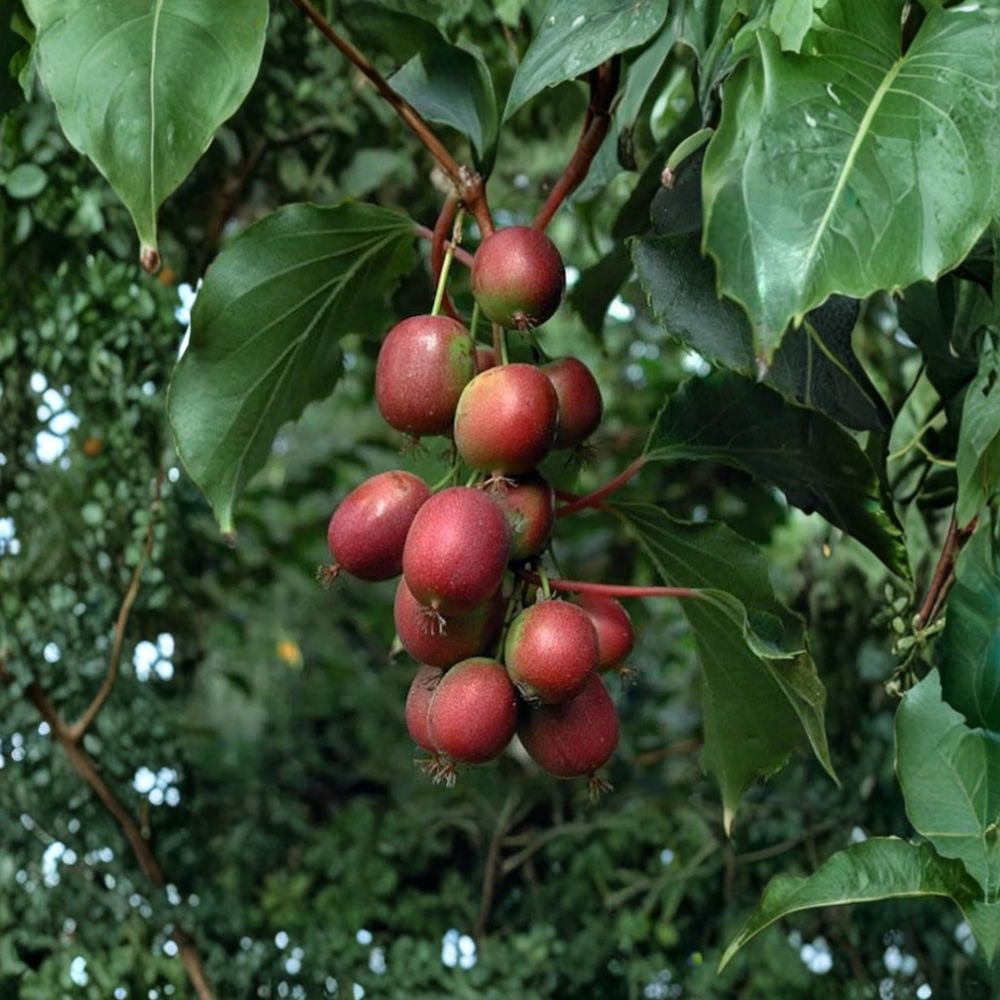
Ken’s Red produces small, smooth-skinned kiwi that do not require peeling—simply pick and enjoy fresh from the vine. The fruit has red-toned skin with green flesh and a refreshing citrus-sweet flavor. The vigorous vines feature reddish-brown stems that contrast beautifully with broad green leaves, adding ornamental appeal to trellises and arbors.
This hardy variety can tolerate temperatures as low as -25°C and may produce up to 100 lbs of fruit annually when mature and properly pollinated.
Pollination Note: To produce fruit, one male kiwi plant is required to pollinate 6–8 female plants.
You will receive a plant similar in size and health to the one shown in the listing photos.
You will receive:
✔️ 1 live Hardy ‘Ken’s Red’ Kiwi plant
✔️ Height: approximately 1–2 feet
✔️ Shipped in 6-inch nursery pot
✔️ Healthy, established vine
✔️ Secure packaging for safe arrival
🌼 Growing Information
Common Name: Ken’s Red Hardy Kiwi
Botanical Name: Actinidia arguta
Plant Type: Deciduous fruiting vine
Growth Stage: Young established vine
Sun Requirements: Full sun to partial shade
Soil: Well-draining, slightly acidic soil
Watering: Moderate; keep soil consistently moist
Mature Length: 15–20+ feet with support
Growth Rate: Fast
USDA Zones: 4–8
Container Friendly: Possible when young; best grown on trellis in ground
💡 Care Tip: Provide a strong trellis or arbor for support. Prune annually during dormancy to maintain shape and encourage heavy fruit production.
Share