Halley’s Comet Dragon Fruit – 12”+ Live Cutting | Hylocereus Hybrid Starter Plant | Purple Flesh Pitaya | Fast Growing Climbing Cactus
Halley’s Comet Dragon Fruit – 12”+ Live Cutting | Hylocereus Hybrid Starter Plant | Purple Flesh Pitaya | Fast Growing Climbing Cactus
Couldn't load pickup availability
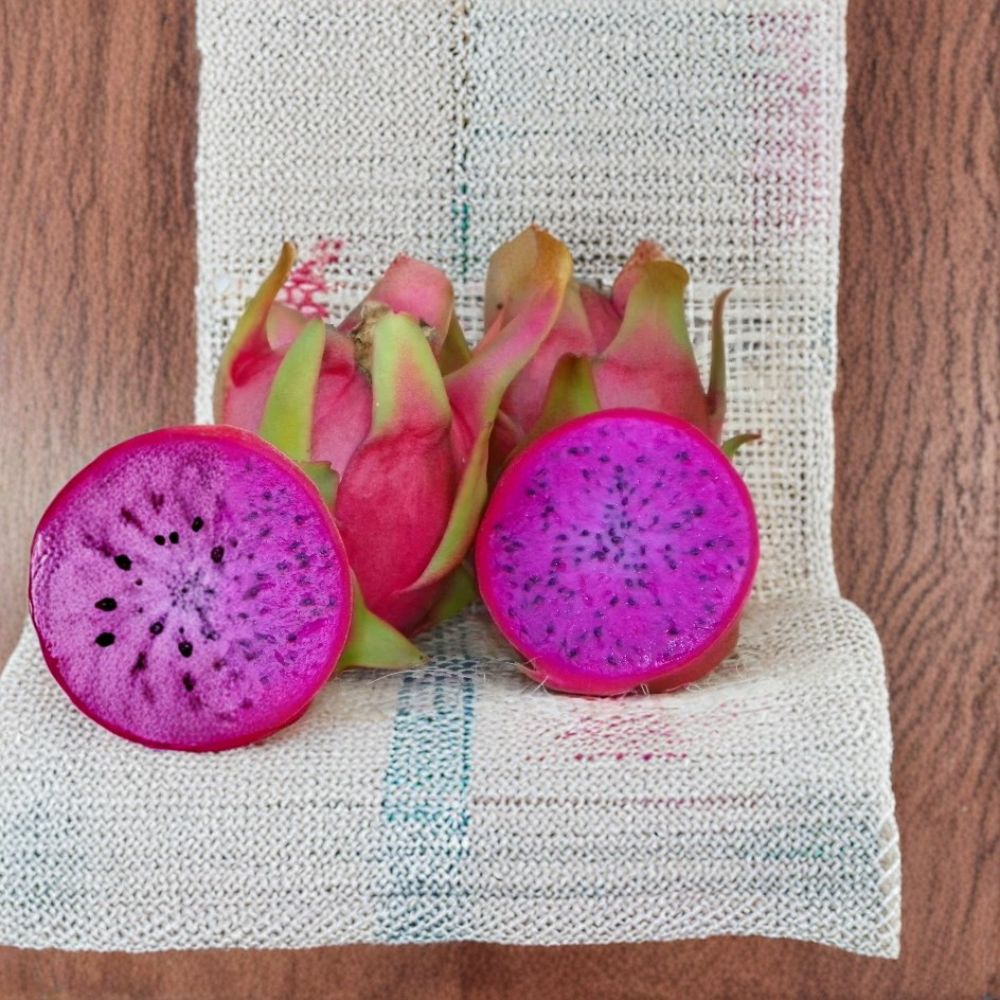
Grow your own exotic fruit with this Halley’s Comet Dragon Fruit 12”+ starter cutting. This premium hybrid variety (Hylocereus undatus × Hylocereus guatemalensis) produces large, vibrant fruit with pink skin, green fins, and rich purple flesh known for its sweet flavor and high sugar content.
This cutting is taken from a healthy, mature plant and is ideal for rooting and establishing your own productive dragon fruit vine. Halley’s Comet is a strong, reliable grower that tolerates full sun with minimal sunburn, making it a great choice for outdoor gardens, trellises, or large containers.
Expect impressive fruit weighing 1–2 pounds and stunning oversized blooms up to 13 inches across throughout the growing season. This variety is highly sought after for both its beauty and fruit quality.
You will receive a plant similar in size and health to the one shown in the listing photos.
You will receive:
✔️ 1 Halley’s Comet dragon fruit cutting (12”+ length)
✔️ Healthy, mature cutting ready for rooting
✔️ Clean, properly prepared cutting
✔️ Secure packaging for safe delivery
✔️ Ideal for fast establishment
🌼 Growing Information
Common Name: Dragon Fruit / Pitaya
Botanical Name: Hylocereus undatus × guatemalensis
Plant Type: Climbing fruit cactus
Growth Stage: Unrooted cutting
Sun Requirements: Full sun to partial sun
Soil: Well-draining cactus or sandy soil
Watering: Moderate; allow soil to dry slightly between watering
Mature Size: 10–20 feet with support
Growth Rate: Fast once established
USDA Zones: 9–11 (container growing recommended in cooler zones)
Container Friendly: Yes (with trellis support)
💡 Care Tip: Allow the cutting to callus for a day if needed, then plant upright in well-draining soil. Provide a sturdy trellis early for best growth and fruit production. For optimal fruiting, cross-pollination with Hylocereus polyrhizus is recommended.
Share