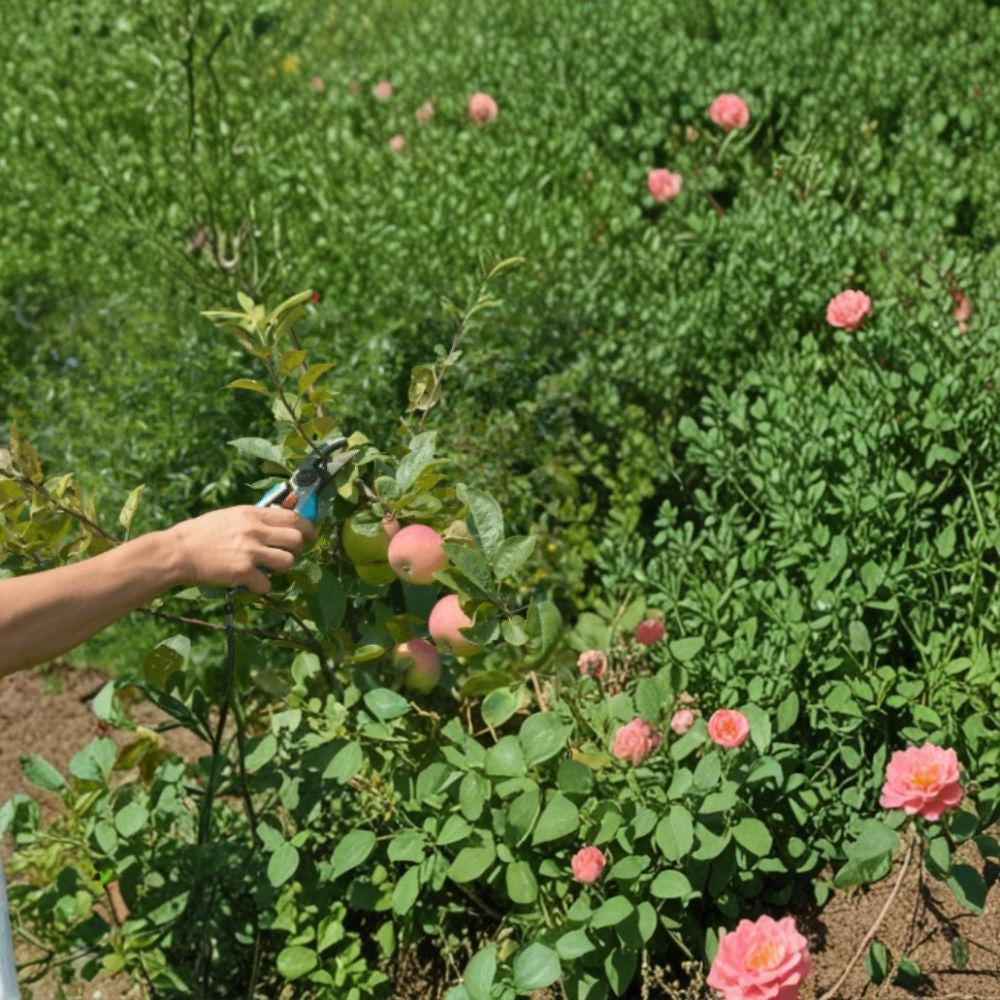
Fuji Apple Tree Scions – Malus domestica ‘Fuji’ | 4 Fresh Cuttings 6–10 Inches | Grafting & Propagation Wood | Sweet Apple Variety
Fuji Apple Tree Scions – Malus domestica ‘Fuji’ | 4 Fresh Cuttings 6–10 Inches | Grafting & Propagation Wood | Sweet Apple Variety
Couldn't load pickup availability
Grow your own delicious apple trees with this set of 4 Fuji Apple Tree scions, freshly cut and prepared for grafting or propagation. Each cutting measures approximately 8–10 inches long and is carefully handled to maintain freshness and moisture.
Fuji apples originated in Japan and are widely loved for their exceptionally sweet flavor, crisp texture, and juicy flesh. The apples develop a beautiful bright red skin and are perfect for fresh eating, cider making, baking, or storing for later use.
To maintain quality during shipping, the cut ends are dipped in wax to preserve moisture, helping keep the scion wood viable for grafting. These cuttings are ideal for experienced growers who want to graft Fuji onto compatible apple rootstock and enjoy reliable fruit production.
Each order includes freshly cut scion wood packaged carefully for safe delivery.
You will receive:
✔️ 4 Fuji apple tree scions
✔️ Length: approximately 6–10 inches each
✔️ Fresh cut grafting wood
✔️ Ends sealed with wax to retain moisture
✔️ Secure packaging for safe arrival
🌼 Growing Information
Common Name: Fuji Apple
Botanical Name: Malus domestica ‘Fuji’
Plant Type: Deciduous fruit tree scion wood
Propagation Method: Grafting onto compatible rootstock
Flower Color: Pink blossoms in spring
Fruit: Large, crisp, sweet apples
Harvest Season: Mid to late fall
Storage: Fruit stores well for several months under refrigeration
Sun Requirements: Full sun (6–8 hours daily preferred)
Soil: Well-draining fertile soil
USDA Zones: 5–9
Pollination: Requires another apple variety for best fruit production
💡 Care Tip:
For best results, graft Fuji scions onto healthy apple rootstock during late winter or early spring while trees are still dormant.
Share