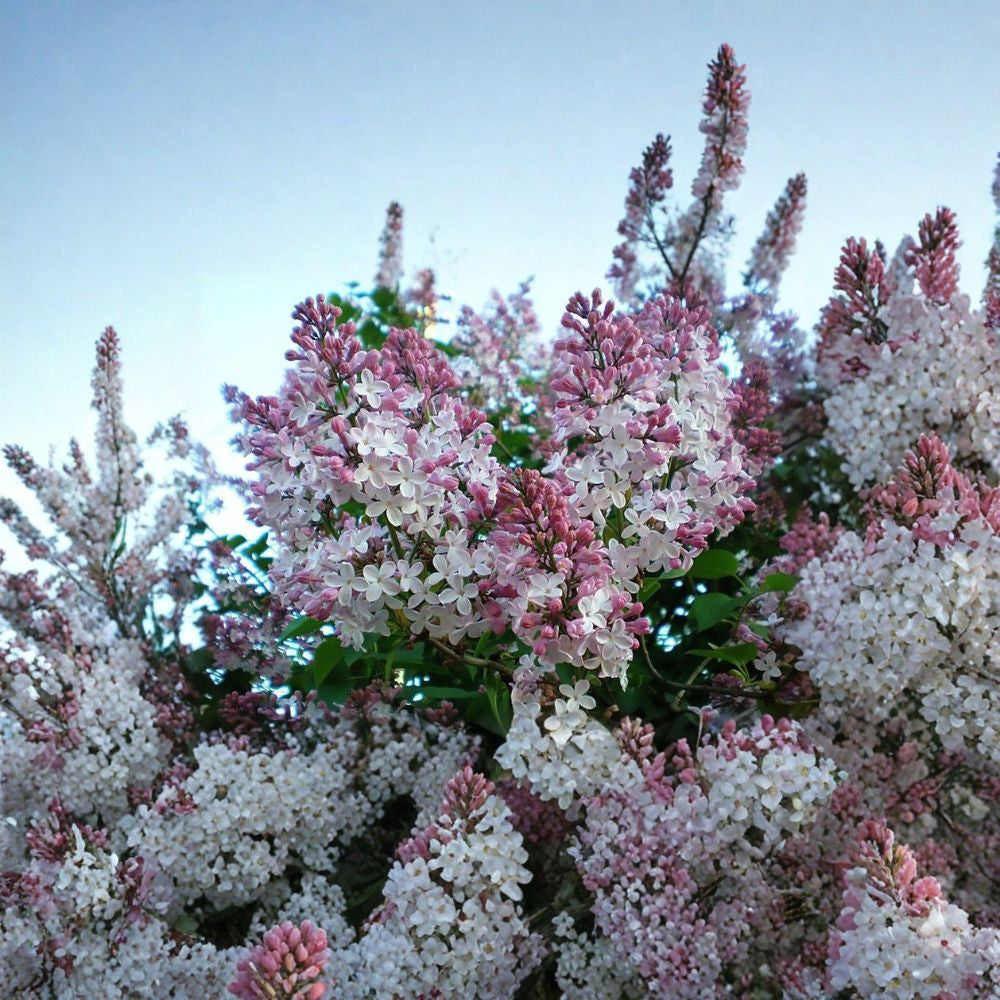
French Lilac – Syringa vulgaris 100 Shrub Seeds | Fragrant Spring Blooms | Cold Hardy Classic Hedge & Privacy Screen | Cottage Garden Favorite | Butterfly Friendly
French Lilac – Syringa vulgaris 100 Shrub Seeds | Fragrant Spring Blooms | Cold Hardy Classic Hedge & Privacy Screen | Cottage Garden Favorite | Butterfly Friendly
Couldn't load pickup availability
Plant a timeless garden favorite with French Lilac (Syringa vulgaris), also known as Common Lilac. Famous for its powerful fragrance and stunning purple spring blooms, this hardy shrub is a staple in cottage gardens and traditional landscapes.
French Lilac grows 8–15 feet tall with an upright, structured form and dark green heart-shaped leaves. In late April to early May, large pyramidal clusters of sweetly fragrant purple flowers blanket the plant, attracting hummingbirds and butterflies while filling the air with one of the most beloved floral scents in gardening.
Exceptionally cold hardy (to -31°F), this species thrives in regions with true winter dormancy and is ideal for privacy hedges, windbreaks, mass plantings, shrub borders, specimen use, cut flowers, and bonsai training.
You will receive seeds similar in size and quality to those shown in the listing photos.
You will receive:
✔️ 100 French Lilac seeds
✔️ Clearly labeled seed packet
✔️ Detailed sowing instructions
✔️ Non-pretreated seeds
✔️ Secure packaging for safe delivery
🌼 Growing Information
Common Name: French Lilac / Common Lilac
Botanical Name: Syringa vulgaris
Plant Type: Deciduous flowering shrub
Growth Stage: Seed
Sun Requirements: Full Sun (best flowering)
Soil: Average to rich, well-drained soil
Watering: Medium
Mature Height: 8–15 feet
Spread: 6–12 feet
Growth Rate: Medium
USDA Zones: 3–7
Container Friendly: Yes (young plants and bonsai training)
💡 Care Tip: Soak seeds for 24 hours. Cold stratify for 30–90 days at 40°F in a moist (not wet) medium. Sow 1/4 inch deep. Remove spent flower clusters after blooming to promote stronger flowering the following year.
Share