Fragrant Sassafras – Sassafras albidum 10 Seeds | Native Fragrant Shade Tree Brilliant Fall Color | Wildlife Friendly | Cold Hardy Zone 4–9
Fragrant Sassafras – Sassafras albidum 10 Seeds | Native Fragrant Shade Tree Brilliant Fall Color | Wildlife Friendly | Cold Hardy Zone 4–9
Couldn't load pickup availability
Grow a beautiful native North American tree with these Fragrant Sassafras (Sassafras albidum) seeds. Known for its aromatic leaves, showy spring flowers, and spectacular fall foliage, Sassafras is a standout ornamental and wildlife-friendly shade tree.
Young trees are pyramidal in shape, maturing into rounded canopies with layered horizontal branching. The distinctive leaves appear in three unique forms — oval, mitten-shaped, and trident-shaped — and release a pleasant fragrance when crushed.
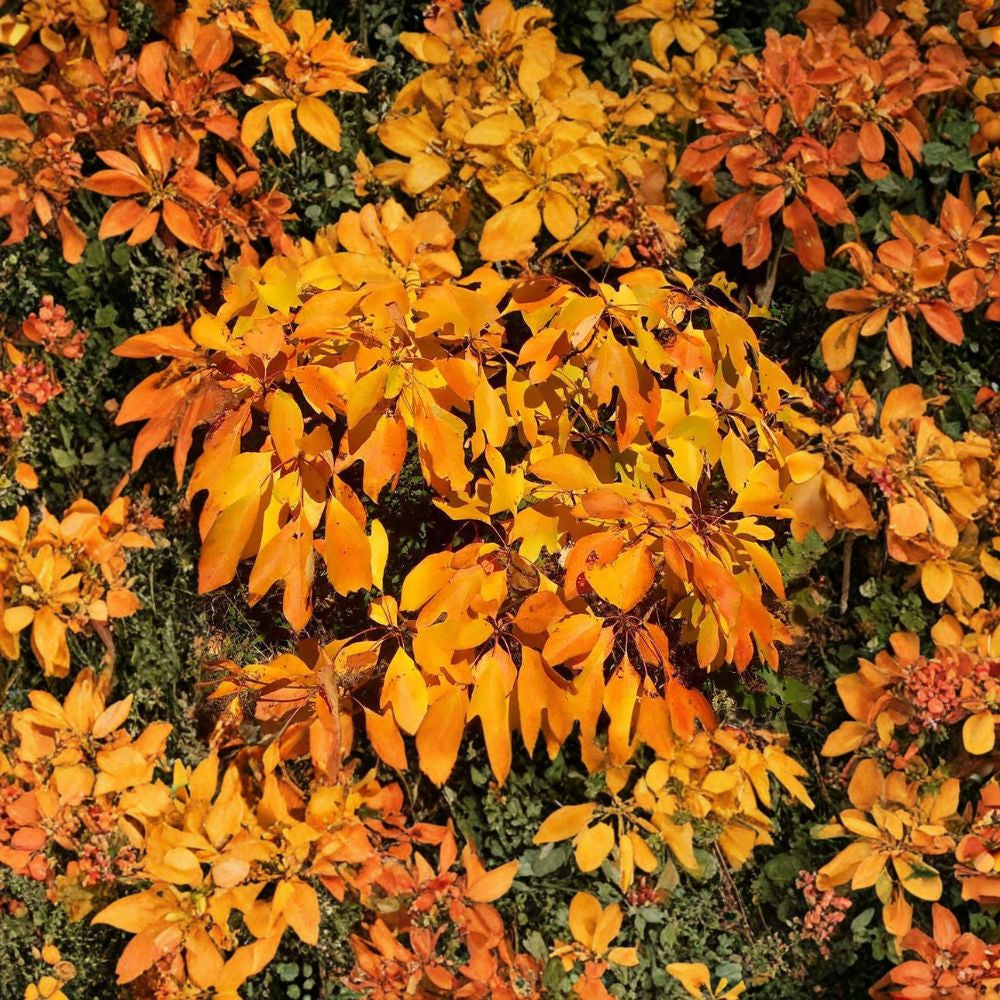
In autumn, the foliage transforms into stunning shades of yellow, orange, red, purple, and scarlet, creating one of the most vibrant fall displays of any native tree. Female trees (when pollinated) produce dark blue berries held on bright red stalks, attracting birds and supporting local wildlife.
Sassafras is ideal for naturalized areas, woodland gardens, wildlife plantings, and specimen shade trees.
You will receive:
✔️ 10 Fragrant Sassafras seeds
✔️ Clearly labeled seed packet
✔️ Sowing instructions
✔️ Non-GMO, untreated seeds
🌼 Growing Information
Common Name: Fragrant Sassafras
Botanical Name: Sassafras albidum
Plant Type: Small to medium deciduous tree
Growth Stage: Seed
Sun Requirements: Full sun to part shade
Soil: Moist, acidic, well-drained soil preferred; tolerates sandy soils
Watering: Medium; drought tolerant once established
Mature Height: 30–60 feet
Spread: 25–40 feet
Growth Rate: Medium
USDA Zones: 4–9
Wildlife Value: Attracts birds and butterflies
💡 Care Tip: Soak seeds in water for 24 hours before stratification. Cold stratify for 120 days at approximately 40°F in a moist medium. Sow ½ inch deep and keep soil evenly moist. Young trees develop a large taproot, so transplant while small for best results. Remove root suckers if you prefer a single-trunk tree form.
Share