Dwarf Everbearing Mulberry Tree – Morus nigra Live Plant | 6–7 Inch Starter in Pot | Sweet Edible Fruit Tree | Container & Backyard Friendly
Dwarf Everbearing Mulberry Tree – Morus nigra Live Plant | 6–7 Inch Starter in Pot | Sweet Edible Fruit Tree | Container & Backyard Friendly
Couldn't load pickup availability
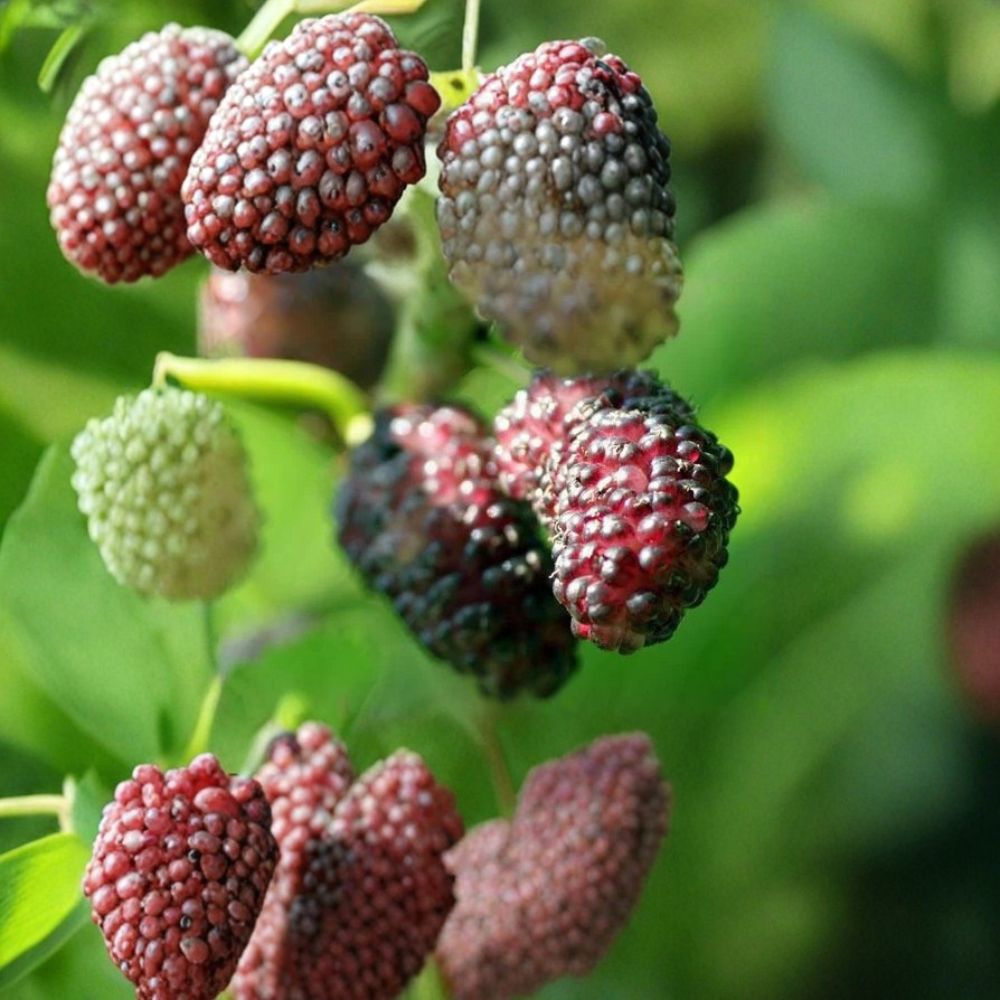
Grow delicious homegrown berries with this Dwarf Everbearing Mulberry Tree (Morus nigra) live plant, currently 6–7 inches tall and shipped in a small nursery cup. This fast-growing fruit tree is known for producing sweet, dark purple berries similar in size and shape to boysenberries.
The Dwarf Everbearing Mulberry produces flavorful fruit over an extended season and is a favorite among gardeners for its easy care and reliable productivity. The berries are perfect for fresh eating, smoothies, desserts, jams, and preserves.
This versatile tree can be grown in containers, patios, or backyard gardens, and it responds well to pruning so it can be maintained at a manageable size. With proper care, these trees grow quickly and become a productive addition to any home orchard or edible landscape.
Listing photos may show mature plants to demonstrate the full growth potential and fruit production.
You will receive:
✔️ 1 Dwarf Everbearing Mulberry live plant
✔️ Height: approximately 6–7 inches
✔️ Shipped in nursery cup (approx. 2.5" pot)
✔️ Healthy rooted starter plant
✔️ Secure packaging for safe arrival
🌼 Growing Information
Common Name: Dwarf Everbearing Mulberry
Botanical Name: Morus nigra
Plant Type: Deciduous fruit tree
Growth Stage: Starter plant
Sun Requirements: Full sun
Soil: Well-draining soil
Watering: Moderate; keep soil evenly moist during establishment
Mature Height: 10–20 feet (smaller with pruning)
Growth Rate: Fast
USDA Zones: 5–10
Container Friendly: Yes
Fruit Season:
Late spring through summer with extended harvests.
Pollination:
Self-fertile – only one tree is needed to produce fruit.
💡 Care Tip: Mulberry trees grow quickly and benefit from light annual pruning to maintain size and encourage more fruiting branches. They grow especially well in large containers or sunny garden beds.
Share