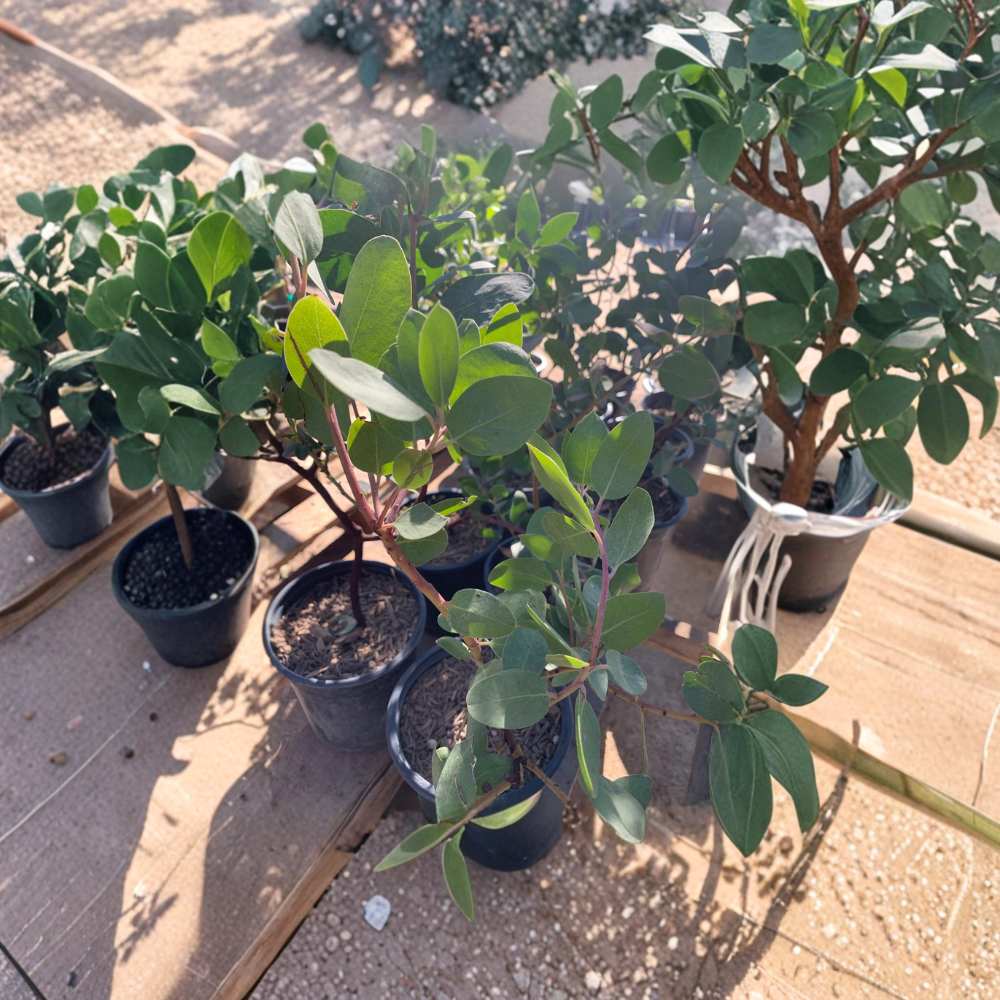
Dr. Hurd Manzanita – Arctostaphylos manzanita ‘Dr. Hurd’ Live Evergreen Shrub | 1–2 Feet Tall | Shipped in 1 Gallon Pot Red Mahogany Bark | Pollinator Friendly | Drought Tolerant Native
Dr. Hurd Manzanita – Arctostaphylos manzanita ‘Dr. Hurd’ Live Evergreen Shrub | 1–2 Feet Tall | Shipped in 1 Gallon Pot Red Mahogany Bark | Pollinator Friendly | Drought Tolerant Native
Couldn't load pickup availability
Add year-round beauty and structure to your landscape with Dr. Hurd Manzanita, approximately 1–2 feet tall and shipped in a 1-gallon nursery pot with a healthy, established root system.
This striking California native shrub is admired for its smooth mahogany-red bark, glossy green foliage, and elegant branching structure. In late winter to early spring, it produces clusters of delicate white flowers that attract bees, hummingbirds, and other pollinators.
Dr. Hurd is known for its strong growth and adaptability. It can be maintained as a large shrub or trained into a small tree with pruning. Its sculptural form makes it a standout focal point in drought-tolerant and native landscapes.
You will receive a plant similar in size and health to the one shown in the listing photos.
You will receive:
✔️ 1 live Dr. Hurd Manzanita plant
✔️ Height: approximately 1–2 feet tall
✔️ Shipped in 1-gallon nursery pot
✔️ Healthy, rooted plant
✔️ Secure packaging for safe arrival
🌼 Growing Information
Common Name: Dr. Hurd Manzanita
Botanical Name: Arctostaphylos manzanita ‘Dr. Hurd’
Plant Type: Evergreen native shrub
Growth Stage: Young established plant
Sun Requirements: Full sun to partial shade
Soil: Well-draining soil; tolerates clay and sandy soils
Watering: Low; drought tolerant once established
Mature Height: 10–15 feet (can be pruned smaller)
Growth Rate: Moderate to fast
USDA Zones: 8–10
Container Friendly: Best suited for landscape planting
💡 Care Tip: Avoid frequent summer watering once established. Prune lightly in late summer to shape and maintain its attractive branching form.
Share