Coralberry Shrub – Symphoricarpos orbiculatus Seeds | 100 Seeds | Hardy Native Shrub | Showy Pink Berries | Winter Interest
Coralberry Shrub – Symphoricarpos orbiculatus Seeds | 100 Seeds | Hardy Native Shrub | Showy Pink Berries | Winter Interest
Couldn't load pickup availability
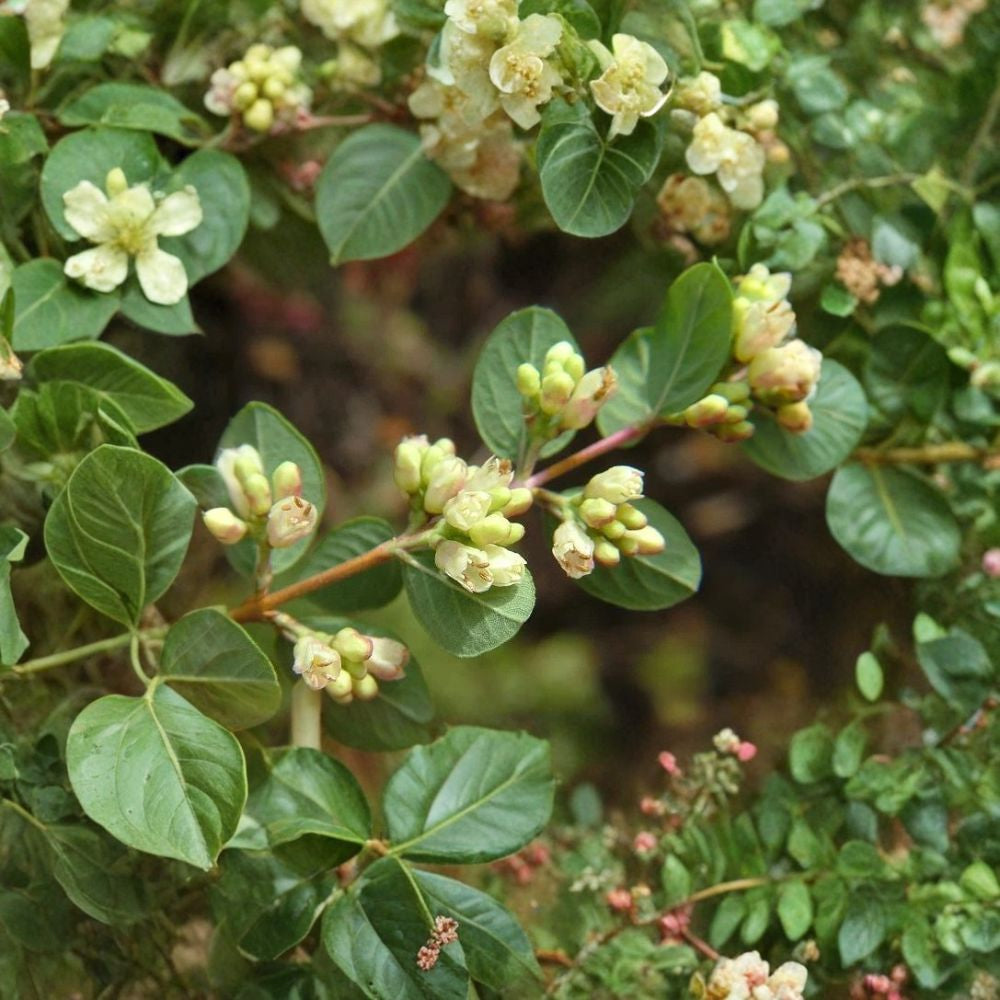
Enhance your landscape with Coralberry (Symphoricarpos orbiculatus), a hardy native shrub celebrated for its vibrant coral-pink to purple berries that brighten the fall and winter garden. This adaptable deciduous shrub naturally spreads by runners, forming dense thickets ideal for erosion control, wildlife habitat, and naturalized plantings.
Growing 2–5 feet tall with gracefully arching stems and exfoliating bark on older wood, Coralberry produces clusters of small pink-tinged white flowers in summer. By autumn, these give way to ornamental berries that persist through winter, providing lasting color and an important food source for birds.
This 100-seed pack is ideal for larger landscape projects, restoration areas, slopes, or creating a dense informal hedge.
You will receive:
✔️ 100 Coralberry seeds
✔️ Hardy native shrub variety
✔️ Showy coral-pink ornamental berries
✔️ Clearly labeled seed packet
✔️ Sowing instructions included
🌼 Growing Information
Common Name: Coralberry, Indian Currant
Botanical Name: Symphoricarpos orbiculatus
Plant Type: Deciduous shrub
Growth Stage: Seed
Sun Requirements: Full sun to part shade
Soil: Average, well-drained soil (tolerates wide range)
Watering: Medium
Mature Height: 2–5 feet
Spread: 4–8 feet
Growth Rate: Moderate
Bloom Time: June–July
Bloom Color: Pinkish white
Fall Color: Orange-red
USDA Zones: 2–7
Uses: Naturalized areas, erosion control, informal hedge, woodland edge, wildlife garden
💡 Care Tip:
Soak seeds for 24 hours. Stratify warm for 30–120 days, followed by cold stratification for 180 days at 40°F in a moist medium. Sow 1/8 inch deep. To control spread, remove runners as needed; to encourage dense growth, cut back every 5–10 years.
Share