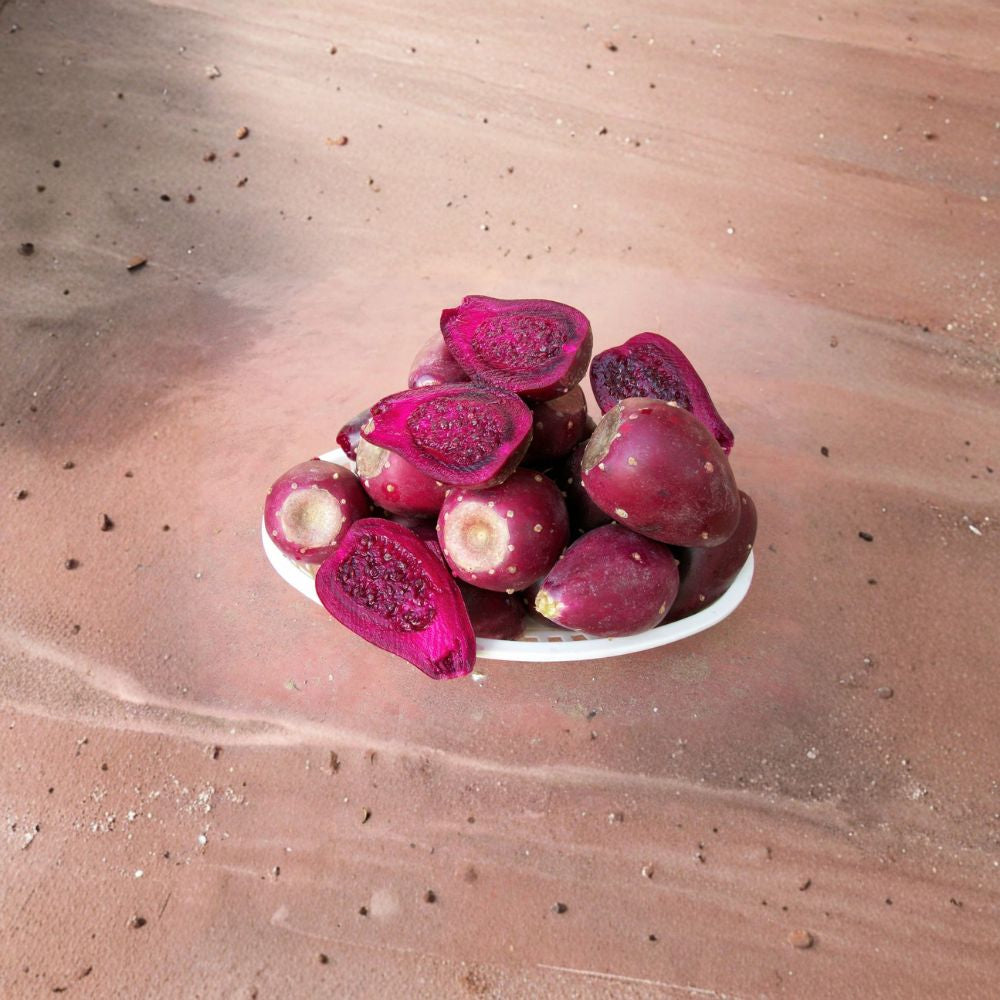
Cold Hardy Prickly Pear – Opuntia engelmannii Cactus Seeds | 20 Count | Edible Nopal & Fruit Southwest Native | Sweet Fruit | Drought Tolerant
Cold Hardy Prickly Pear – Opuntia engelmannii Cactus Seeds | 20 Count | Edible Nopal & Fruit Southwest Native | Sweet Fruit | Drought Tolerant
Couldn't load pickup availability
Grow your own Cold-Hardy Prickly Pear with these Opuntia engelmannii seeds. Native to the American Southwest and Northern Mexico, this resilient cactus produces tender edible pads (nopalitos) in spring followed by vibrant flowers in shades of yellow, orange, and red.
By summer, blooms develop into sweet prickly pear fruit that can be enjoyed fresh or used in juices, jellies, syrups, and other homemade recipes. The fruit is nutrient-rich and naturally high in antioxidants.
This hardy species thrives in hot, arid climates and can tolerate sub-freezing temperatures once established, making it a versatile option for desert gardens, xeriscapes, and edible landscapes.
Please note: This listing is for seeds only (not live plants, pads, or fruit).
You will receive seeds similar in quality to those shown in the listing photos.
You will receive:
✔️ 20 Opuntia engelmannii seeds
✔️ Fresh, viable seed stock
✔️ Labeled packaging
✔️ Complete growing instructions included
✔️ Secure packaging for safe arrival
🌼 Growing Information
Common Name: Engelmann’s Prickly Pear / Nopal
Botanical Name: Opuntia engelmannii
Plant Type: Perennial cactus
Growth Stage: Seed
Sun Requirements: Full sun (6–8 hours daily preferred)
Soil: Well-draining sandy or cactus mix
Watering: Light during germination; low once established
Mature Height: 3–10 feet
Growth Rate: Moderate in warm climates
USDA Zones: 7–10 (may tolerate lower with protection)
Container Friendly: Yes
💡 Care Tip: Lightly scarify seeds and soak in warm water for 12–24 hours before planting to improve germination. Provide warmth and bright light, and avoid overwatering young seedlings.
Share