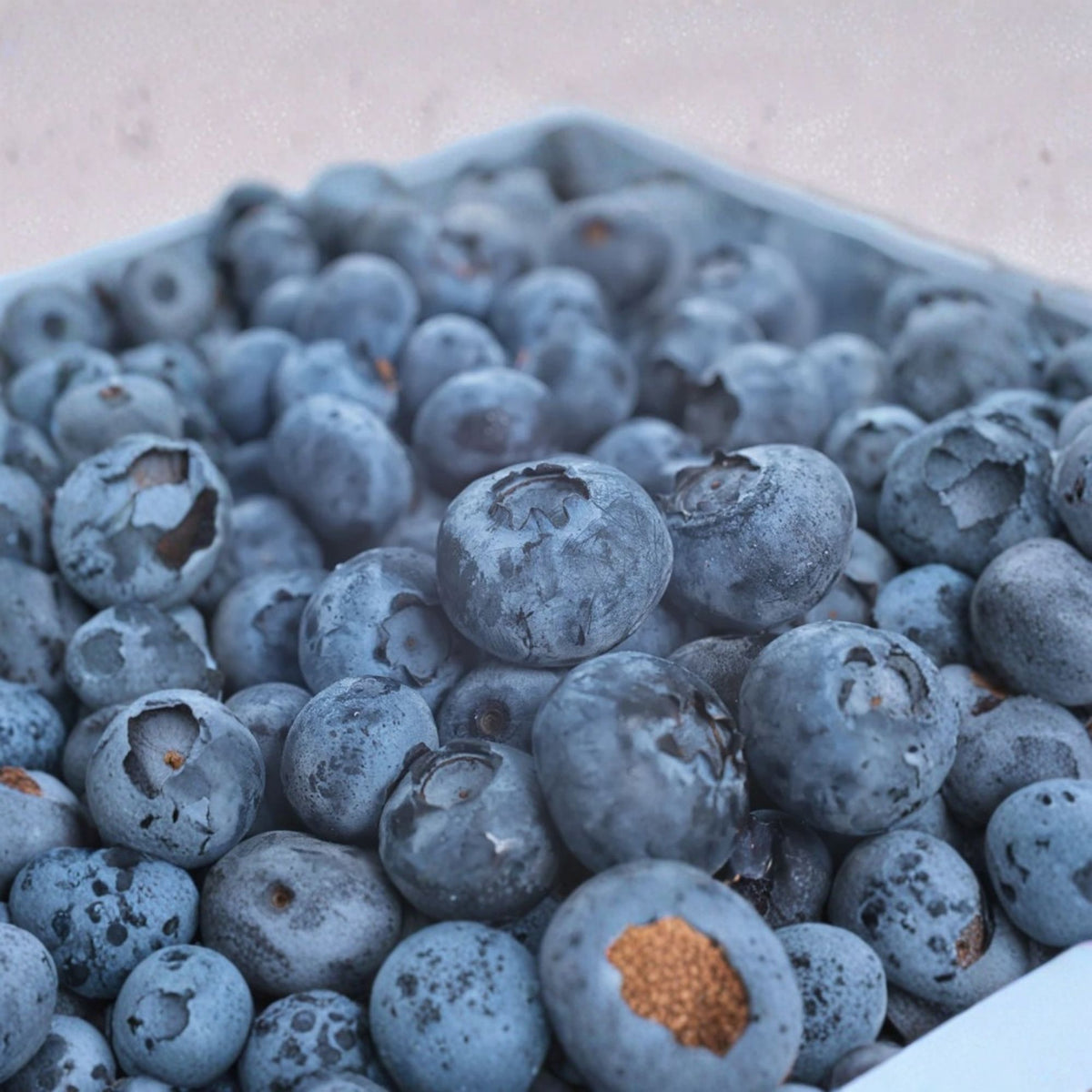
Blueberry Live Starter Plants, 29+ Varieties, State Lab Tested Disease Free, Northern and Southern Highbush, Mix and Match Berry Bushes
Blueberry Live Starter Plants, 29+ Varieties, State Lab Tested Disease Free, Northern and Southern Highbush, Mix and Match Berry Bushes
Couldn't load pickup availability
Live Blueberry Starter Plants – 29+ Varieties Available
State Lab Tested for Diseases and Viruses | Mix & Match Options
Grow your own delicious blueberries! Choose from more than 29 blueberry varieties, including Northern Highbush, Southern Highbush, Rabbiteye, and compact varieties suitable for containers.
Whether you're planting a backyard berry garden, starting a small orchard, or growing blueberries in containers, there's a variety for many different climates and growing conditions.
Our blueberry plants are grown from tissue culture and state lab tested for diseases and viruses.
How to Choose Your Varieties
Select your desired quantity and price using the Etsy Select an Option menu.
-
Order 1 plant: Tell us which variety you want.
-
Order 2 plants: Choose the same variety twice or two different varieties.
-
Order 3 or more plants: Mix and match any three varieties.
-
Want more than three varieties? Place multiple orders.
Please leave your variety selections in the order notes or send us an Etsy message after ordering.
Please also let us know when you would like your plants shipped.
Northern Highbush Blueberries
Northern Highbush varieties generally require 800 or more chill hours (temperatures between 32°F and 45°F). They are best suited to regions with cold winters and are less suitable for climates with warm winters and prolonged summer heat.
Generally recommended for USDA Zones 3–8, depending on variety.
Earliblue – Early Season
-
Earliest-ripening blueberry variety in this selection
-
Medium to large berries
-
Good flavor
-
USDA Zones 4–8
Blueray – Early to Mid Season
-
Large, firm, sweet berries
-
Very productive
-
Excellent flavor
-
USDA Zones 4–8
Bluecrop – Early to Mid Season
-
Large, firm berries
-
Excellent flavor
-
High yields
-
USDA Zones 4–8
Berkeley – Mid Season
-
Large berries with excellent dessert quality
-
Popular home garden and U-pick variety
-
Attractive fall color
-
USDA Zones 5–8
Duke – Early Season
-
Large, firm berries
-
High yields
-
Sweet-tart flavor
-
Late blooming
-
Cold hardy
-
USDA Zones 4–8
Jersey – Late Season
-
Medium-sized, firm, very sweet berries
-
Excellent for muffins, pancakes, and baking
-
Late blooming
-
Cold hardy
-
USDA Zones 4–8
Patriot – Early to Mid Season
-
Very large berries
-
Good flavor
-
Attractive orange fall foliage
-
USDA Zones 4–7; Zone 8 on the West Coast
Elliott – Late Season
-
Large berries, up to ½ inch
-
Late blooming to help avoid spring frost
-
Firm berries that become sweeter when fully ripe
-
Attractive fall and winter color
-
Not recommended for high-elevation areas with early frost
-
USDA Zones 4–8
Chandler – Mid to Late Season
-
Noted for exceptionally large berries
-
Extended ripening period of approximately 4–6 weeks
-
USDA Zones 5–8
Chippewa – Mid Season
-
Compact, self-fertile bush
-
Firm, light-blue, very sweet berries
-
Excellent yields in colder climates
-
Mature size approximately 4 feet tall and wide
-
Full sun, acidic soil, regular watering and fertility
-
USDA Zones 3–7; Zone 8 on the West Coast
Toro – Mid Season
-
Large berries
-
High yields
-
Sweet flavor
-
Bright red fall foliage
-
USDA Zones 4–8
Sweetheart – Early and Late Season
-
Northern/Southern cross
-
Produces two potential crops per year
-
Sweet berries
-
USDA Zones 5–9
Legacy – Late Season
-
Especially flavorful, medium-sized berries
-
Heavy production
-
Excellent fall color
-
USDA Zones 5–8
Pink Lemonade – Late Season
-
Pink flowers
-
Bright pink berries
-
Medium-sized, sweet fruit
-
Golden and orange fall foliage
-
USDA Zones 4–8
Reka – Early Season
-
Vigorous, fast-growing variety
-
High yields
-
Excellent flavor
-
USDA Zones 4–7; Zone 8 on the West Coast
Raz – Mid Season
-
Medium-sized berries
-
Good yields
-
Flavor reminiscent of wild huckleberries or raspberries
-
USDA Zones 4–9
Top Hat – Late Season
-
Compact plant, approximately 1½ feet tall
-
Excellent container variety
-
Full-sized, firm, flavorful berries with a wild blueberry taste
-
Red fall foliage
-
USDA Zones 3–7; Zone 8 on the West Coast
North Country – Early Season
-
Half-high blueberry
-
Compact growth habit
-
Medium-sized berries
-
Attractive red fall foliage
-
Great for containers
-
USDA Zones 3–7; Zone 8 on the West Coast
Lowbush – Mid Season
-
Native blueberry type
-
Small, intensely flavored, candy-sweet berries
-
Compact growth habit
-
Excellent for containers
-
USDA Zones 2–8
Southern Blueberry Varieties
Southern varieties generally tolerate extended heat better than Northern Highbush types and require fewer chill hours. They are suitable for many areas of the South, Southern California, Texas, and other regions with relatively mild winters.
Biloxi – Southern Highbush
-
Compact evergreen growth habit
-
Very low chill requirement, often under 150 hours
-
Medium-sized, firm, sweet berries
-
May produce two large crops in suitable Zone 9–10 climates
-
Self-fertile; cross-pollination may improve berry size
-
Does not yield well below USDA Zone 8
-
Best suited to USDA Zones 9–10
Jubilee – Southern Highbush
-
Early to midseason
-
Developed in Mississippi
-
Medium-sized, sweet berries
-
Good heat tolerance
-
Recommended for Southern gardens and California
-
USDA Zones 5–9
Jewel – Southern Highbush
-
Early to midseason
-
Very large, sweet-tart berries
-
High yields
-
Excellent heat tolerance
-
Requires approximately 200–300 chill hours
-
USDA Zones 6–10
Sunshine Blue – Southern Highbush
-
Late season
-
Compact plant, approximately 36 inches tall
-
Excellent container and landscape variety
-
Tolerates warmer temperatures
-
Approximately 150 chill hours
-
USDA Zones 5–10
-
Availability listed by the grower: September 2026; please confirm current stock.
Misty – Southern Highbush
-
Early season
-
High yielding and heat tolerant
-
Requires approximately 300 chill hours
-
Sweet, spicy berries
-
Popular in California and Southern gardens
-
USDA Zones 5–10
Sharpblue – Southern Highbush
-
Early season
-
Sweet, dime-sized berries
-
Heat tolerant
-
Requires approximately 200 chill hours
-
Developed by the University of Florida
-
Vigorous shrubs approximately 5–6 feet tall
-
Avoid planting in locations subject to late spring frost
-
USDA Zones 7–10
O'Neal – Southern Highbush
-
Early season
-
Large, juicy, flavorful berries
-
Often considered one of the best-tasting Southern Highbush varieties
-
Heat tolerant
-
Brilliant red fall color
-
USDA Zones 5–9
Powderblue – Southern Rabbiteye
-
Mid to late season
-
Medium-sized berries
-
Heat and humidity tolerant
-
USDA Zones 7–9
Premier – Rabbiteye
-
Early season
-
Large berries
-
High yields
-
Large bush, potentially up to 8 feet tall
-
USDA Zones 7–9
Emerald – Southern Highbush
-
Mid season
-
High yields
-
Large bush, potentially up to 8 feet tall
-
USDA Zones 8–10
-
Grower-listed availability: Fall 2027
Plant Details
-
Plant type: Live blueberry starter plants
-
Available varieties: 29+ selections
-
Growing method: Tissue culture
-
Shipping height: Approximately 5–16 inches
-
Health testing: State lab tested for diseases and viruses
-
Some varieties may be pruned to encourage branching.
Pollination & Growing Tips
Blueberry varieties are generally self-fertile, but planting two compatible varieties with overlapping flowering and ripening periods can improve pollination and may increase fruit production.
Choose varieties suited to your local winter chill hours and summer temperatures. Northern Highbush blueberries generally need colder winters, while Southern varieties are better adapted to warmer climates.
Soil Requirements
Blueberries prefer acidic, well-draining soil with consistent moisture.
-
For container growing, we recommend our Blueberry Potting Mix.
-
For planting in the ground, we offer fir sawdust if you cannot find it locally.
-
Our recommended soil preparation is approximately 30% sawdust mixed into the soil, with an additional 3-inch sawdust mulch layer to help retain moisture.
Ordering & Shipping
Please tell us your preferred varieties in the order notes or send us a message after checkout.
Please also include your preferred shipping date.
Every plant is inspected for quality before shipment. Plants may experience some stress during transit. If your order arrives damaged, contact us promptly with photographs of the package and plants so we can help.
Thank you for choosing Scenic Hill Farm for your blueberry garden!
Share