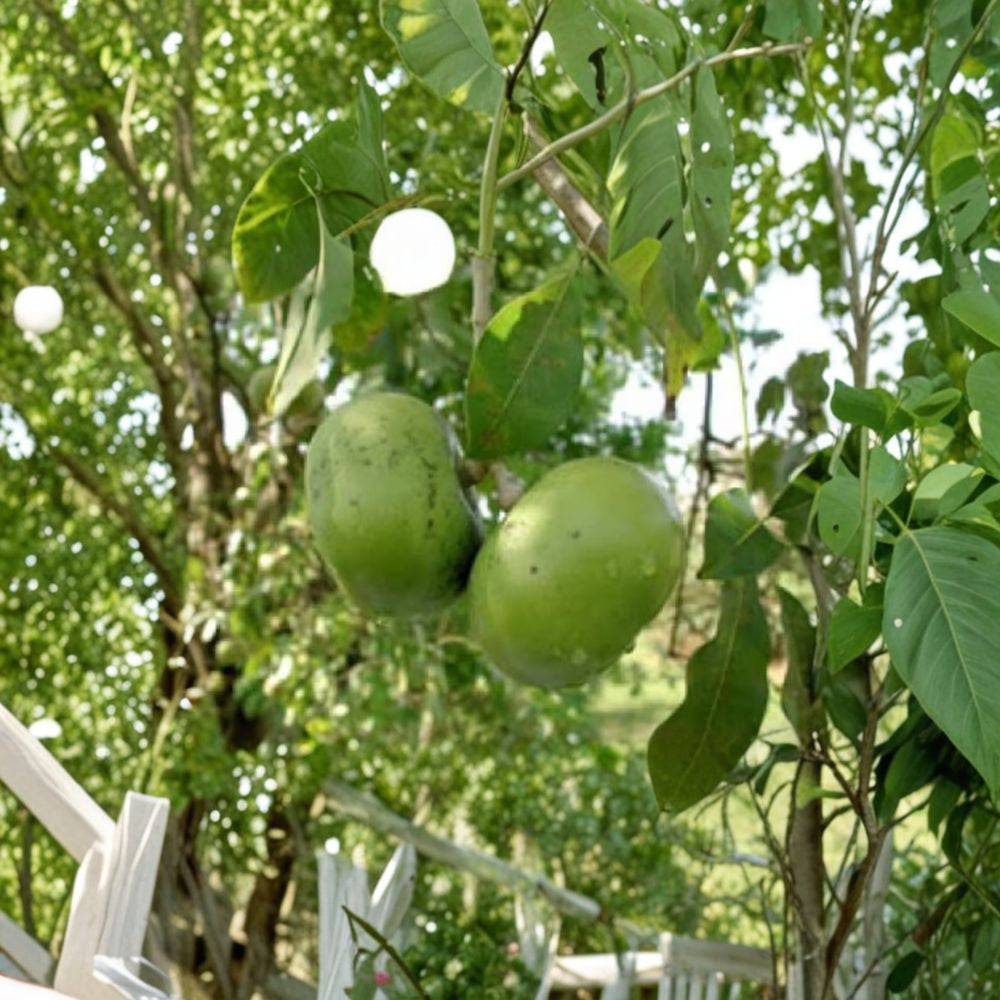
Black Sapote – Diospyros digyna Grafted Tropical Fruit Tree | 2–3 Feet Tall | Ships in 3 Gallon Pot “Chocolate Pudding” Fruit | Sweet Custardy Flesh | Container Friendly
Black Sapote – Diospyros digyna Grafted Tropical Fruit Tree | 2–3 Feet Tall | Ships in 3 Gallon Pot “Chocolate Pudding” Fruit | Sweet Custardy Flesh | Container Friendly
Couldn't load pickup availability
Grow your own “Chocolate Pudding Fruit” with this grafted Black Sapote tree, standing approximately 2–3 feet tall and shipped in a 3-gallon nursery pot. Native to Central America, Black Sapote is prized for its rich brown pulp that develops a smooth, custardy texture with mild sweetness and subtle chocolate overtones when fully ripe.
Once ripened, simply cut the fruit in half and scoop out the melt-in-your-mouth flesh. This unique tropical fruit is enjoyed fresh or blended into smoothies and desserts. Under proper care, even container-grown plants can produce impressive harvests.
This is a grafted plant, selected for reliable fruit quality and earlier production compared to seed-grown trees.
You will receive a plant similar in size and health to the one shown in the listing photos.
You will receive:
✔️ 1 live grafted Black Sapote plant
✔️ Height: approximately 2–3 feet
✔️ Shipped in 3 gallon nursery pot
✔️ Healthy, strong root system
✔️ Secure packaging for safe arrival
🌼 Growing Information
Common Name: Black Sapote, Chocolate Pudding Fruit
Botanical Name: Diospyros digyna
Plant Type: Tropical evergreen fruit tree
Growth Stage: Grafted young tree
Sun Requirements: Full sun
Soil: Well-draining soil
Watering: Moderate; keep soil evenly moist but not waterlogged
Mature Height: 15–25 feet (can be pruned smaller)
Growth Rate: Moderate
Fruit Season: July through late year (varies by climate)
Pollination: May benefit from cross-pollination
USDA Zones: 9–11
Container Friendly: Yes (can fruit in large containers)
💡 Care Tip: Fertilize monthly from spring through summer for best growth and fruiting. For container culture, prune lightly after fruit set to maintain manageable size and encourage branching. Protect from frost.
Share