Black Mulberry – Morus nigra 1800 Seeds | Hardy Edible Fruit Tree Long Lived | Sweet-Tart Berries | Shade & Wildlife Tree
Black Mulberry – Morus nigra 1800 Seeds | Hardy Edible Fruit Tree Long Lived | Sweet-Tart Berries | Shade & Wildlife Tree
Couldn't load pickup availability
Establish a large-scale planting with this pack of 1800 Black Mulberry seeds. Morus nigra is prized for its exceptionally flavorful fruit—large, dark red to deep purple-black mulberries with a rich, sweet-tart taste. It is widely regarded as the best tasting of all mulberry species.
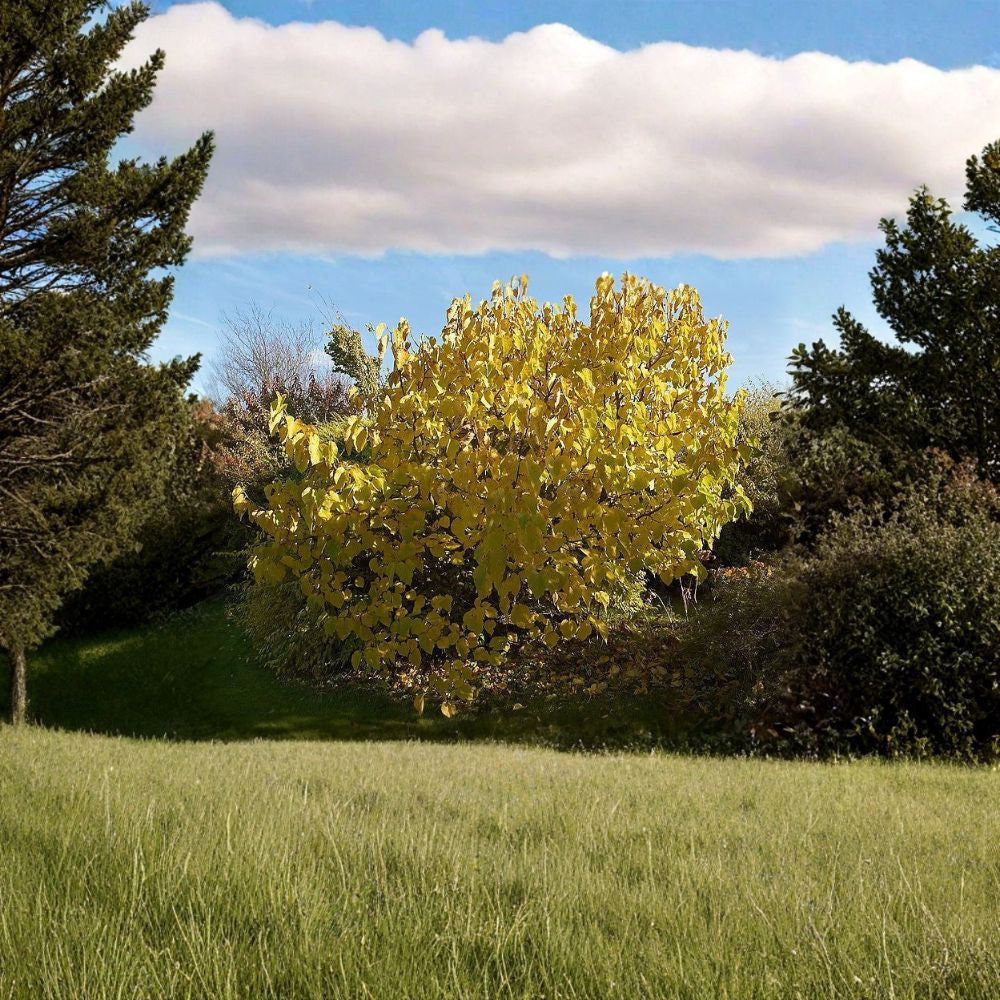
This deciduous tree typically grows 20–30 feet tall with a broad, spreading canopy that provides generous shade. Extremely long-lived, Black Mulberry trees can bear fruit for generations. They thrive in full sun and tolerate a wide range of soil conditions including rocky, dry, alkaline, and exposed sites once established. Wind, salt, and moderate drought tolerance make this a dependable and resilient choice.
Fruit ripens from July through September and can be eaten fresh or used in pies, jams, tarts, wine, syrups, and dried snacks. The tree also attracts birds and wildlife, making it ideal for orchards, naturalized areas, and larger landscapes. Suitable for bonsai as well.
You will receive:
✔️ 1800 Black Mulberry seeds
✔️ Clearly labeled seed packet
✔️ Detailed germination instructions
✔️ Untreated, non-GMO seeds
✔️ Secure packaging for safe delivery
🌼 Growing Information
Common Name: Black Mulberry
Botanical Name: Morus nigra
Plant Type: Medium-sized deciduous fruit tree
Growth Stage: Seed
Sun Requirements: Full sun
Soil: Adaptable; prefers deep, moist, well-drained soil
Watering: Medium; provide water during prolonged dry periods
Mature Height: 20–30 feet (can grow taller in ideal conditions)
Spread: Approximately 20 feet
Growth Rate: Slow to moderate
USDA Zones: 6–10
Drought Tolerance: Mild to moderate once established
💡 Care Tip: Soak seeds for 24 hours, then cold stratify for 60 days at 40°F in a moist medium. Surface sow indoors and do not cover, as seeds require light for germination. Prune only during dormancy to reduce sap bleeding.
Share