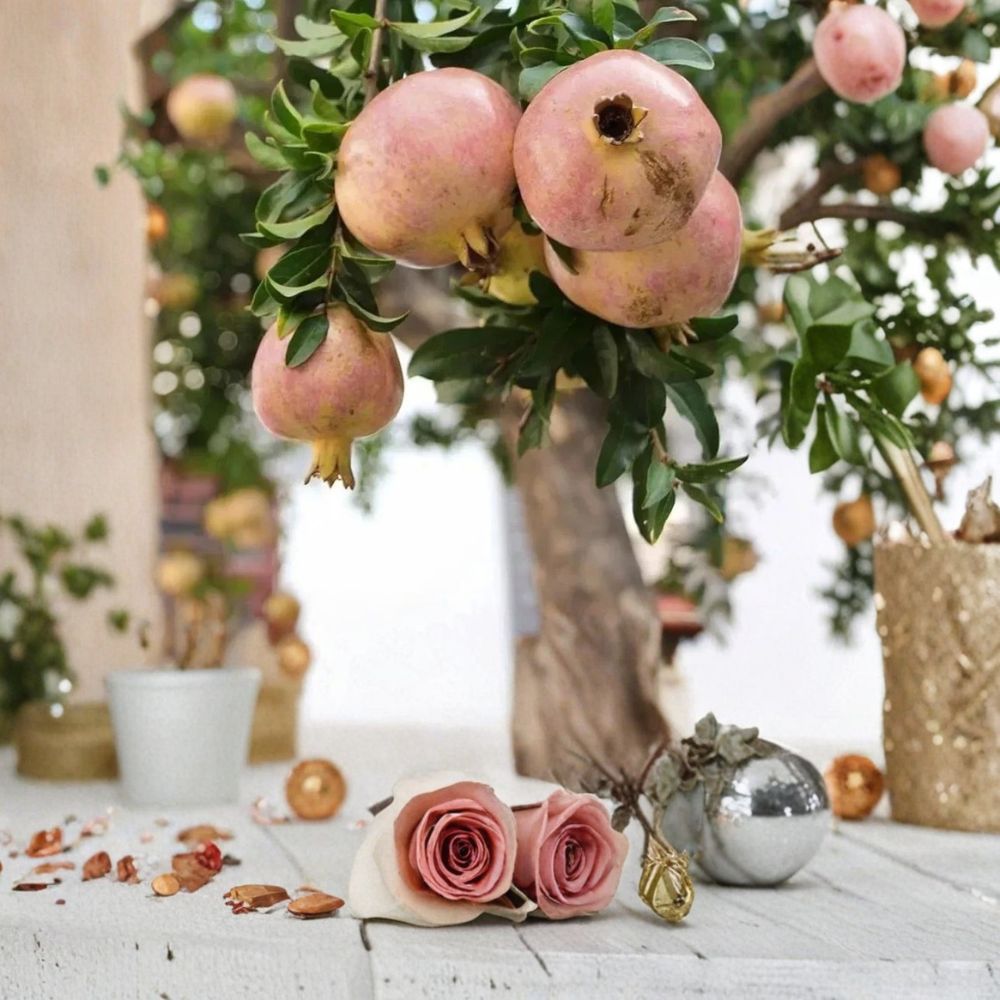
Babylonian White Pomegranate Cuttings – Punica granatum Rare Propagation Set | 3 Cuttings 6–8 Inches Long | Rooting or Grafting Fruit Tree
Babylonian White Pomegranate Cuttings – Punica granatum Rare Propagation Set | 3 Cuttings 6–8 Inches Long | Rooting or Grafting Fruit Tree
Couldn't load pickup availability
Grow a unique and historic fruit tree with this SUPER RARE Babylonian White Pomegranate propagation set, including 3 cuttings measuring approximately 6–8 inches long. These cuttings are suitable for rooting or grafting, making them perfect for gardeners, collectors, and backyard orchard enthusiasts.
The Babylonian White Pomegranate (Punica granatum) is prized for its light-colored fruit, sweet flavor, and ornamental beauty. Once established, the plant produces glossy foliage and vibrant blossoms followed by delicious pomegranate fruit ideal for fresh eating, juices, and desserts.
These cuttings contain healthy nodes and can be propagated in water, soil, or grafted onto compatible pomegranate rootstock. With proper care and patience, they can develop into productive fruit trees that enhance both gardens and edible landscapes.
You will receive:
✔️ 3 Babylonian White Pomegranate cuttings
✔️ Length: approximately 6–8 inches each
✔️ Fresh propagation wood with healthy nodes
✔️ Suitable for rooting or grafting
✔️ Carefully packaged to maintain freshness during shipping
🌼 Growing Information
Common Name: Babylonian White Pomegranate
Botanical Name: Punica granatum
Plant Type: Deciduous fruit shrub/tree
Growth Stage: Unrooted propagation cuttings
Sun Requirements: Full sun (6–8 hours daily preferred)
Soil: Well-draining soil; tolerant of many soil types
Watering: Keep propagation medium lightly moist
Mature Height: 10–15 feet (smaller with pruning)
Growth Rate: Moderate
USDA Zones: 7–10
Container Friendly: Yes with pruning
💡 Care Tip: Keep cuttings in bright indirect light with moderate humidity while rooting. Using rooting hormone and warm temperatures can improve propagation success.
Share