Arnot Bristly Locust – Robinia fertilis Seeds | 20 Seeds | Fast Growing Hardy Flowering Shrub | Erosion Control | Nitrogen Fixing
Arnot Bristly Locust – Robinia fertilis Seeds | 20 Seeds | Fast Growing Hardy Flowering Shrub | Erosion Control | Nitrogen Fixing
Couldn't load pickup availability
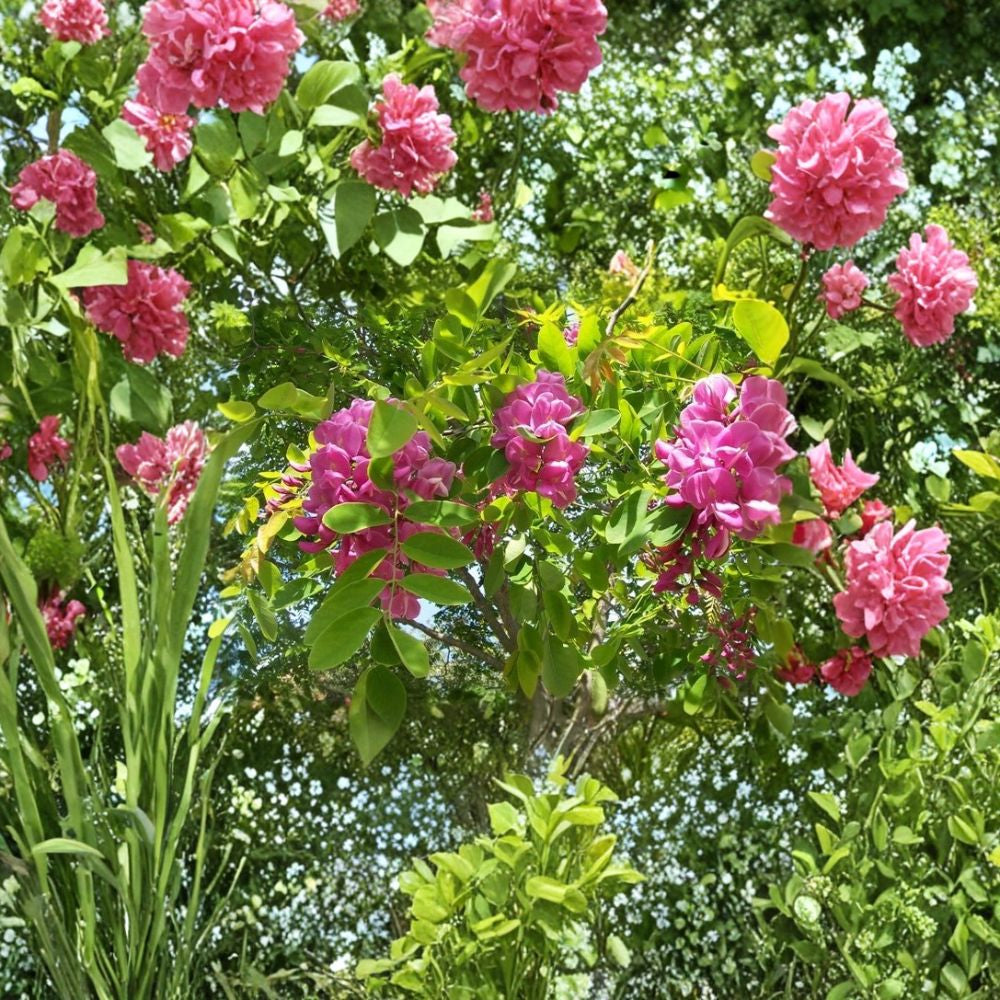
Arnot Bristly Locust (Robinia fertilis) is a very hardy, extremely fast-growing deciduous shrub prized for its fragrant pink blooms and exceptional adaptability. Growing 8–12 feet tall within just a few years, this vigorous shrub spreads by root suckers and quickly establishes woody cover on slopes and difficult sites.
In late spring to early summer (May–June), clusters of sweet pea-like pink to pale purple flowers appear on short racemes, creating a beautiful and fragrant display. Branches are covered with distinctive bristly hairs, giving the plant added texture and winter interest.
This shrub tolerates poor, sandy soils, wind, salt, heat, cold, urban pollution, deer, rabbits, and drought. It also fixes nitrogen in the soil, improving ground conditions over time. Arnot Bristly Locust is widely valued for erosion control, land reclamation, and stabilizing steep slopes.
⚠️ Due to its vigorous suckering habit, this plant is best suited for large areas, slopes, and naturalized plantings rather than formal residential landscapes.
You will receive:
✔️ 20 Arnot Bristly Locust seeds
✔️ Botanical name: Robinia fertilis
✔️ Open-pollinated seeds
✔️ Untreated seeds
✔️ Secure packaging for safe delivery
🌱 Growing Information
Common Name: Arnot Bristly Locust
Botanical Name: Robinia fertilis
Plant Type: Deciduous shrub
Growth Rate: Fast
Mature Height: 6–12 feet
Spread: 6–10 feet (spreads by suckers)
Bloom Time: May–June
Bloom Color: Pink to pale purple
Sun: Full sun to part shade
Soil: Average, well-drained soil; highly adaptable
Water: Medium; drought tolerant once established
USDA Zones: 5–10
💡 Seed Germination Instructions
-
Scarify by pouring hot (not boiling) water over seeds.
-
Soak in water for 24 hours.
-
Sow 1/4” deep in well-drained soil.
-
Keep soil moist but not wet until germination.
Share