32 Beaked Hazelnut Trees, Corylus cornuta var. californica Live Native Plants, 18–28 Inch Potted Shrubs, Edible Nuts, Wildlife Food
32 Beaked Hazelnut Trees, Corylus cornuta var. californica Live Native Plants, 18–28 Inch Potted Shrubs, Edible Nuts, Wildlife Food
Couldn't load pickup availability
THIRTY-TWO Beaked Hazelnut Trees – Corylus cornuta var. californica – 18–28 Inches Tall
Establish a large native planting, wildlife habitat, or food forest with thirty-two live Beaked Hazelnut plants. This multi-stemmed, deciduous shrub or small tree is valued for its distinctive edible nuts, attractive seasonal foliage, and benefits to wildlife.
DISTINCTIVE BEAKED HAZELNUTS
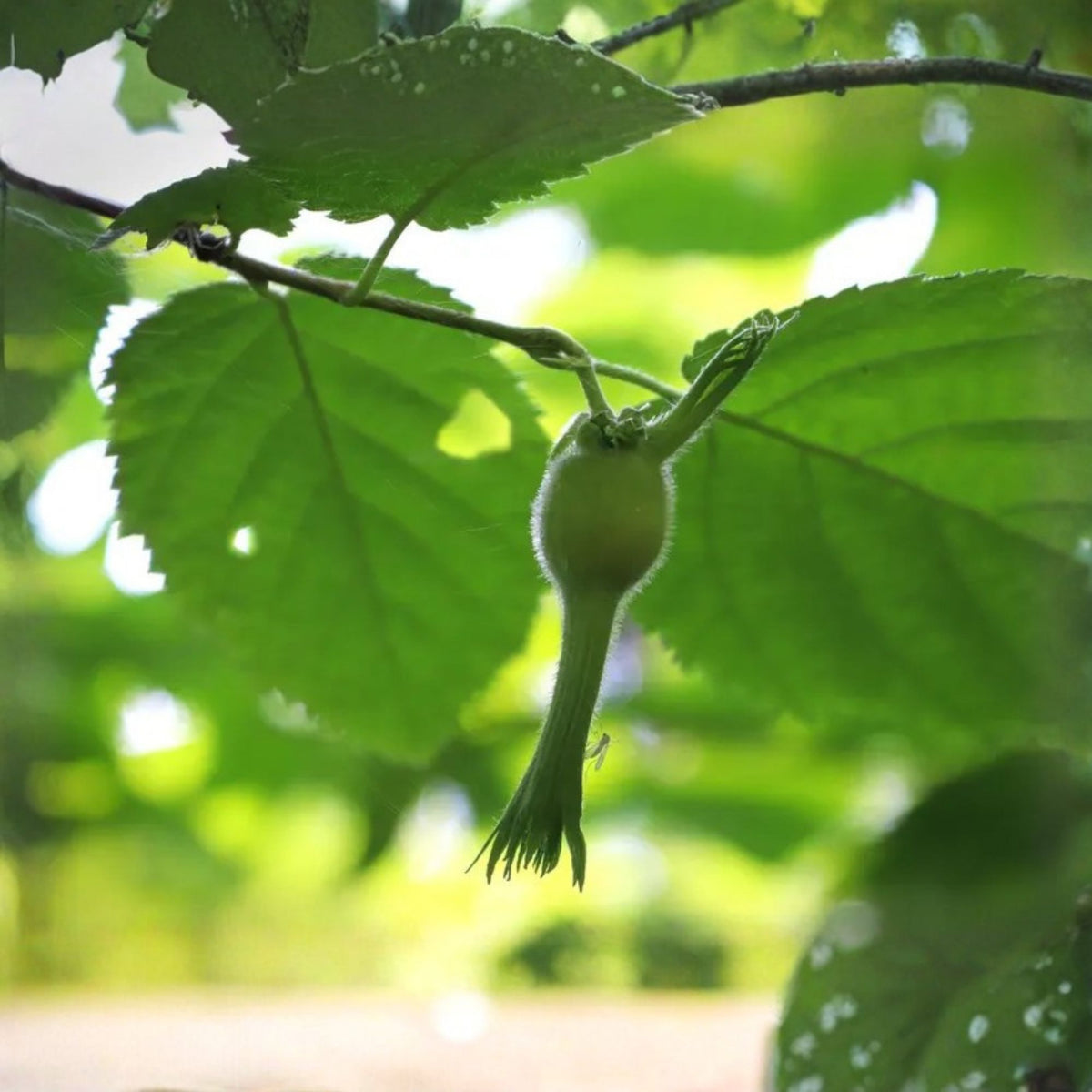
Beaked Hazelnut produces small, approximately ½-inch nuts enclosed in a husk with a prominent beak-like tip. The nuts are edible for people when roasted and also provide food for wildlife.
Yellow, drooping male catkins appear in late winter or early spring, followed by small female flowers. The distinctive beaked fruits develop in the fall.
PLANT DETAILS
-
Quantity: 32 live Beaked Hazelnut plants
-
Botanical name: Corylus cornuta var. californica
-
Shipped height: 18–28 inches
-
Pot: 5½ inches deep
-
Growth habit: Multi-stemmed, suckering deciduous shrub or small tree
-
Mature height: Approximately 5–12 feet
-
Light: Part shade to full shade
-
Hardiness: USDA Zones 4–8
-
Soil: Moist to well-drained
-
Fall foliage: Attractive shades of yellow
NATIVE WILDLIFE VALUE
Beaked Hazelnut provides nuts and buds for wildlife, including squirrels, jays, and deer. Its growth also offers cover, and it serves as a host plant for certain butterflies and moths.
Native to North America, this hazelnut is a natural fit for woodland gardens, forest edges, native plant landscapes, food forests, and permaculture gardens.
GROWING FOR NUTS
Beaked Hazelnut spreads by root suckers and can form attractive thickets over time.
For nut production, plant at least two trees, preferably more, to encourage proper nut set. These seed-grown plants are genetically different from one another, supporting cross-pollination. Beaked Hazelnut is wind-pollinated and does not rely on bees for pollination.
Plant shrubs relatively close together to help wind carry pollen between plants. Protect developing nuts from wildlife if you plan to harvest them for yourself.
Beaked Hazelnut is not as productive as European Hazelnut, but it is an excellent native addition to a food forest or wildlife garden.
SHIPPING INFORMATION
-
You will receive thirty-two 18–28-inch plants in 5½-inch-deep pots.
-
Plants are shipped in their pots with growing medium.
-
Plants have leaves during spring and summer and ship dormant without leaves during fall and winter.
-
Plants are grown in a soil-less growing mix.
-
Orders ship by UPS.
Free shipping is available to most locations. We cannot ship larger boxes or these trees to Alaska, Hawaii, APO addresses, U.S. Territories, or remote locations without a freight surcharge.
Important temperature and shipping restrictions:
-
Orders may be held when temperatures are above 89°F or below 20°F until conditions improve.
-
You may enter your desired ship date in the Special Instructions to Seller at checkout.
-
We cannot ship this item to Washington State.
All plants are inspected for quality before shipment. Plants are rarely damaged in transit, but if damage occurs, please contact us promptly. Take photos of the package and plants so we can help resolve the issue.
Plant thirty-two Beaked Hazelnuts to establish a substantial native woodland border, wildlife-friendly thicket, or food forest planting.
Scenic Hill Farm is a licensed Oregon nursery.
Share