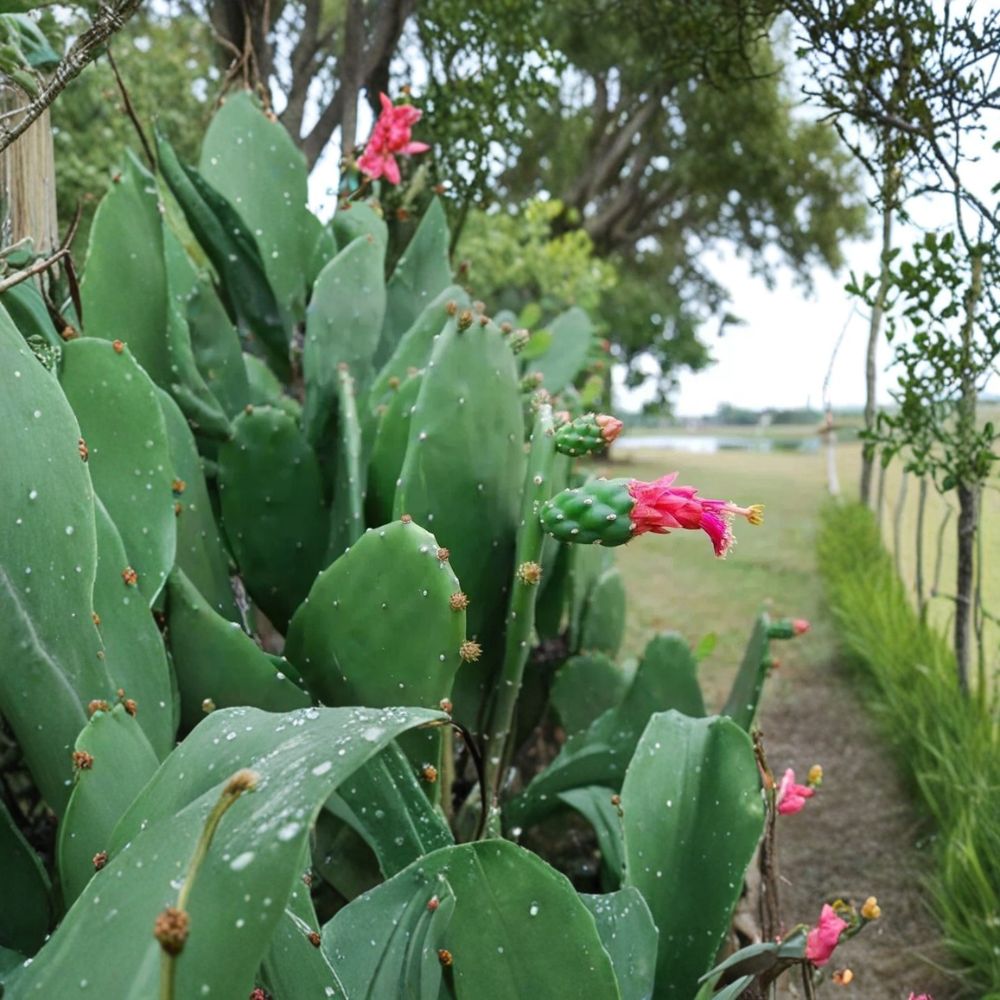
3 Large Spineless Prickly Pear Cactus Pads – Opuntia Cacanapa Elisiana | Nopales Edible Cactus Cuttings | Easy to Grow Desert Plant | Drought Tolerant Garden Cactus
3 Large Spineless Prickly Pear Cactus Pads – Opuntia Cacanapa Elisiana | Nopales Edible Cactus Cuttings | Easy to Grow Desert Plant | Drought Tolerant Garden Cactus
Couldn't load pickup availability
Add a unique and useful plant to your garden with these 3 Large Spineless Prickly Pear Cactus Pads (Opuntia Cacanapa Elisiana). This nearly spineless variety is well known for producing tender nopales (edible cactus pads) and vibrant fruits while being much easier to handle than traditional prickly pear varieties.
These healthy cactus pads are perfect for rooting and growing your own prickly pear cactus in garden beds, desert landscapes, containers, or xeriscape gardens. Prickly pear cactus is extremely drought tolerant, making it an excellent choice for low-maintenance gardens and warm climates.
With proper planting, these pads quickly root and develop into productive cactus plants that can provide edible pads and colorful fruit for many years. You will receive pads similar in size and quality to those shown in the listing photos.
You will receive:
✔️ 3 large prickly pear cactus pads
✔️ Spineless variety (minimal glochids)
✔️ Suitable for rooting and planting
✔️ Healthy cactus cuttings
✔️ Secure packaging for safe arrival
🌼 Growing Information
Common Name: Spineless Prickly Pear, Nopales Cactus
Botanical Name: Opuntia cacanapa ‘Ellisiana’
Plant Type: Perennial cactus / succulent
Growth Stage: Rooting pad cutting
Sun Requirements: Full sun (6–8 hours daily)
Soil: Well-draining cactus or sandy soil
Watering: Low; allow soil to dry between watering
Mature Height: 6–8 feet tall and wide
Growth Rate: Moderate to fast in warm climates
USDA Zones: 7–11
Container Friendly: Yes
💡 Care Tip:
Allow the cactus pads to callus for several days before planting. Place the pad upright in well-draining cactus soil and water lightly until roots establish. Avoid overwatering, especially during the early rooting stage.
Share